The genesis of this whole trip was the eclipse on August 12th, and it did not disappoint. This was my second total eclipse, and my favorite part this time was the reaction of the people who hadn't seen one (they were blown away of course). Back in the 80s in Spain there was a significant partial eclipse (over 90% occlusion) and ahead of this one some people were poo-pooing the whole thing, saying they'd seen one when they were a kid and it was no big deal.
The difference between 90-something percent and a total eclipse is quite literally night and day... once you've seen a total, you know. If you have the opportunity to join the club, jump at it! I didn't even bother trying to photograph it, having tried during the first one I saw... with pitiful results.
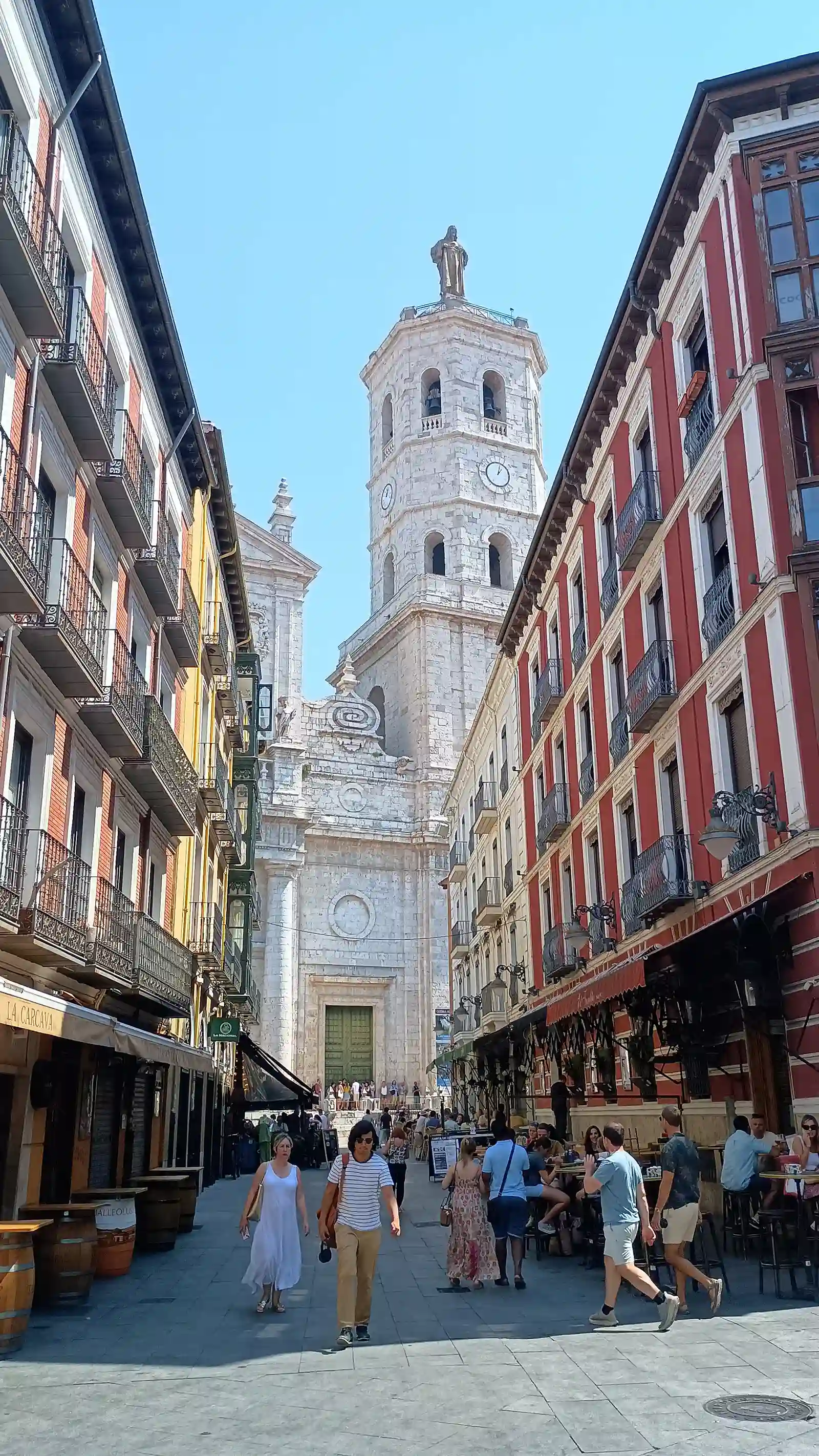
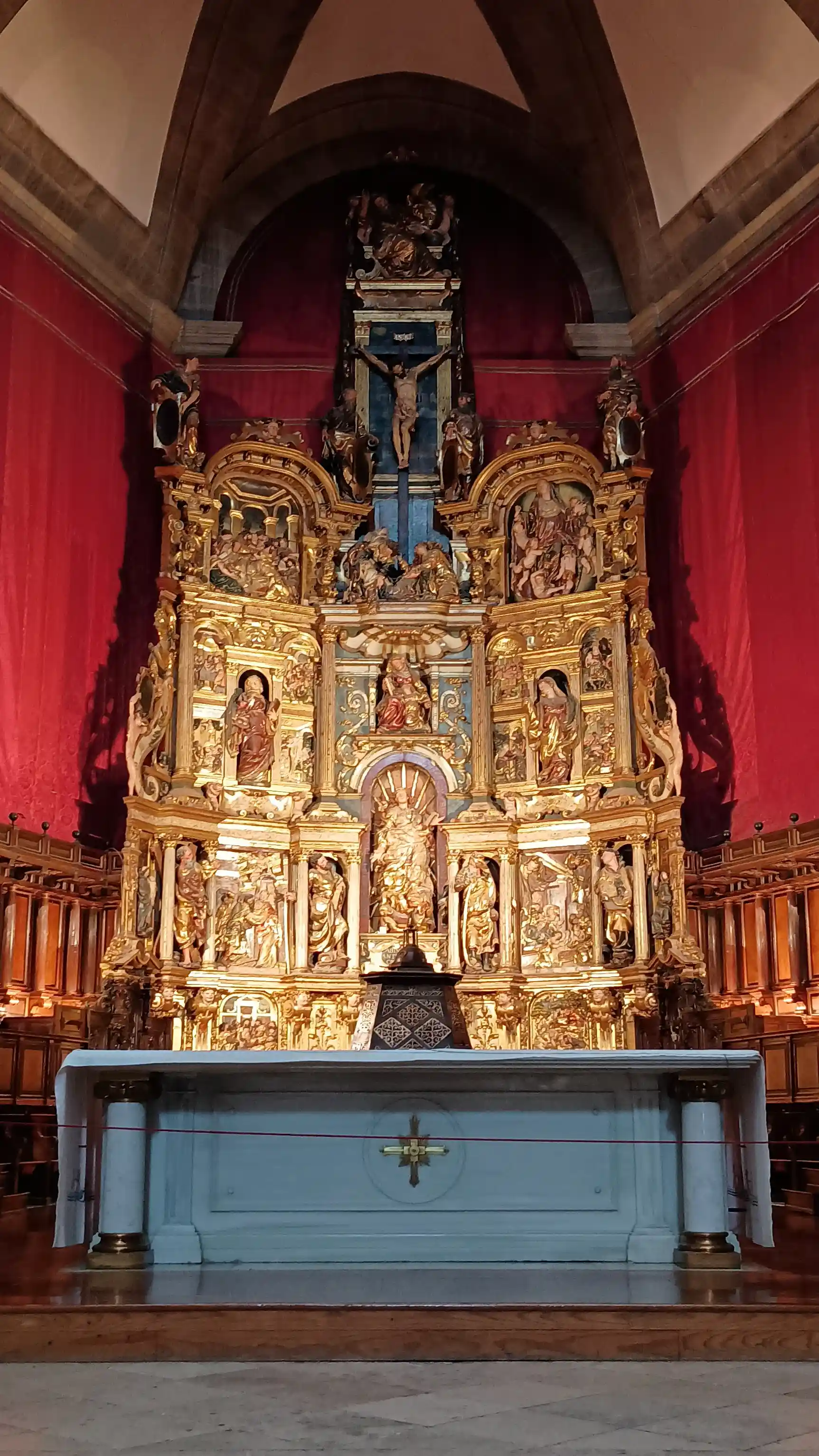
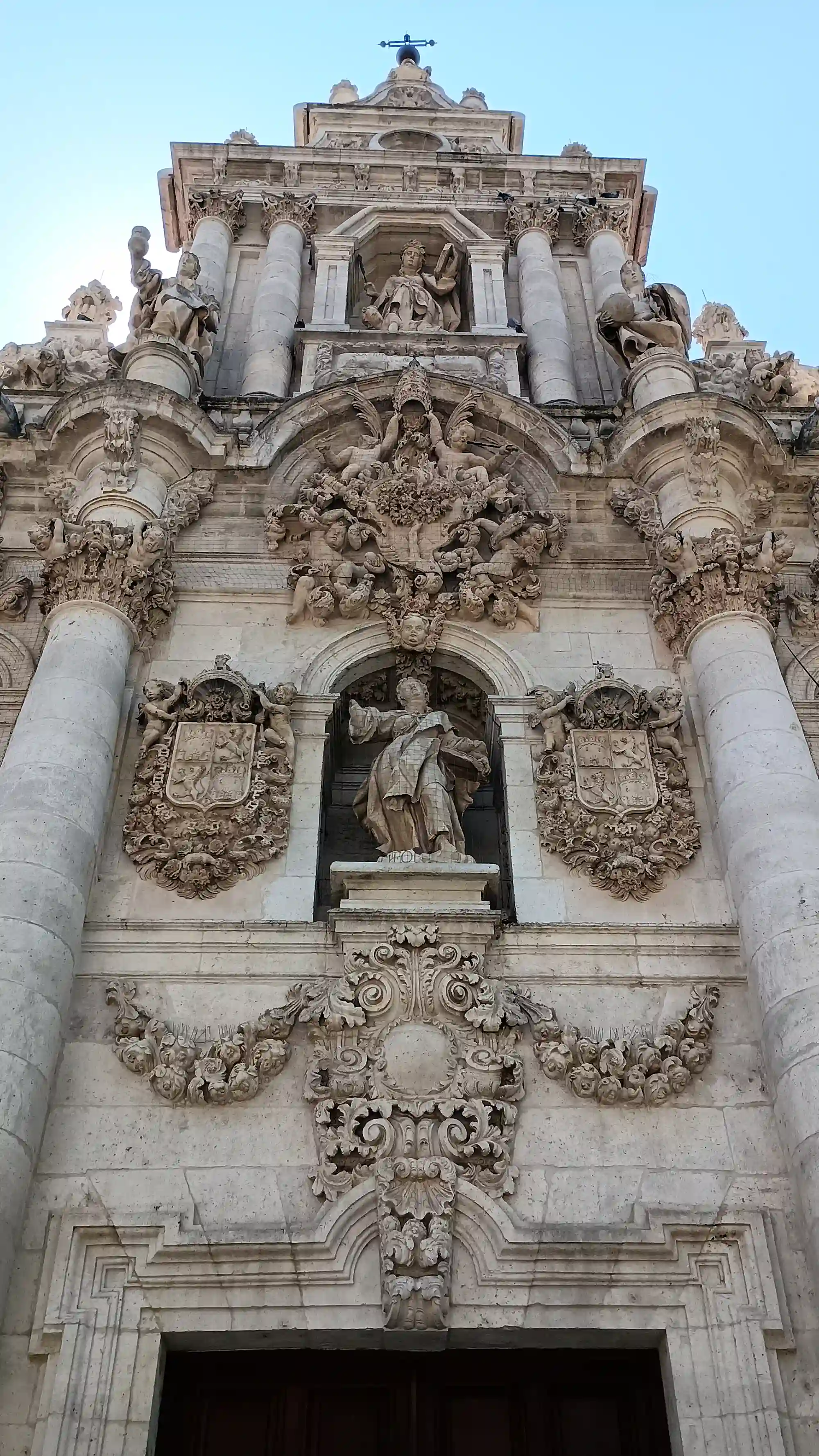
Instead, here are a few photos from Valladolid's center. The cathedral is unfinished and poorly maintained, so don't come here only for it... in fact apart from the company, the city in general left me nonplussed, having been spoiled by the other places I'd just been in.
The best part of Valladolid's cathedral.
The facade of Valladolid University. Way at the top there's a woman stepping on a kid - this is supposed to represent wisdom walking over ignorance.
Museo del Prado, 8/13/2026
I had a whole rant in mind about del Prado's prohibition of photography, centering on the fact that it's a public museum and the work within is part of humankind's heritage, so why in the world should people not be able to photograph work they may never get a chance to see again?
I since learned that their whole most of their collection is available for viewing online, with very good image resolution and quality, making that argument moot. Even better, my understanding of their terms of use is that I can use them here (public, not-for-profit blogs are OK), so I'll favor their photos over my illicit ones of lesser quality. Well done, Museo del Prado!
However I'd still like to know the reason for the policy. If it's to prevent a flood of obnoxious selfie-taking people crowding Las Meninhas I can sympathize but to me that's a cost of doing business, as it were. If it's because it's too hard to police the no-flash rule, sorry but that's BS. Any number of world-class museums manage these and other potential problems admirably without a blanket ban, such as pretty much every public museum in Italy. Figure it out, Museo del Prado!
Time for art
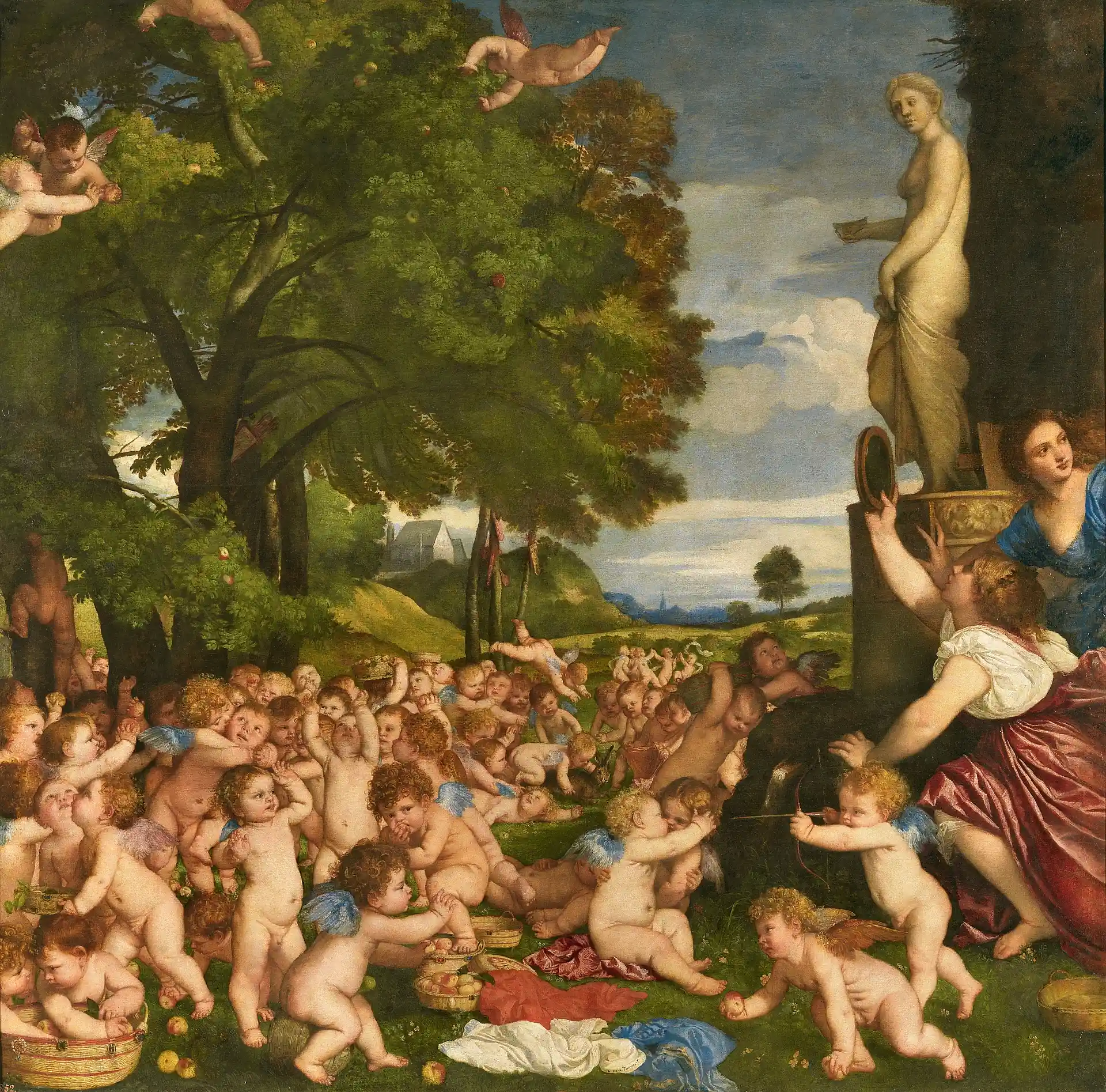
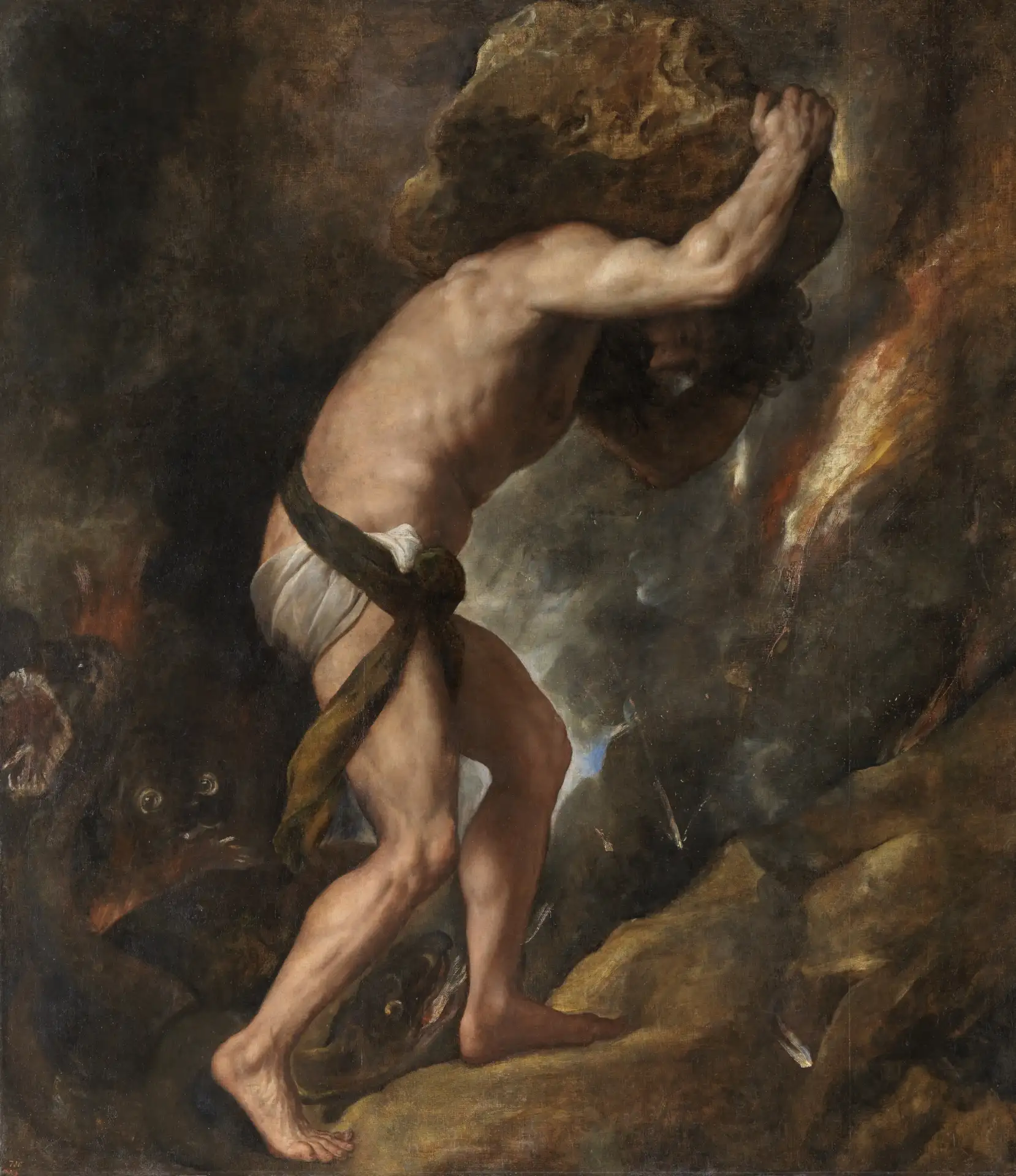
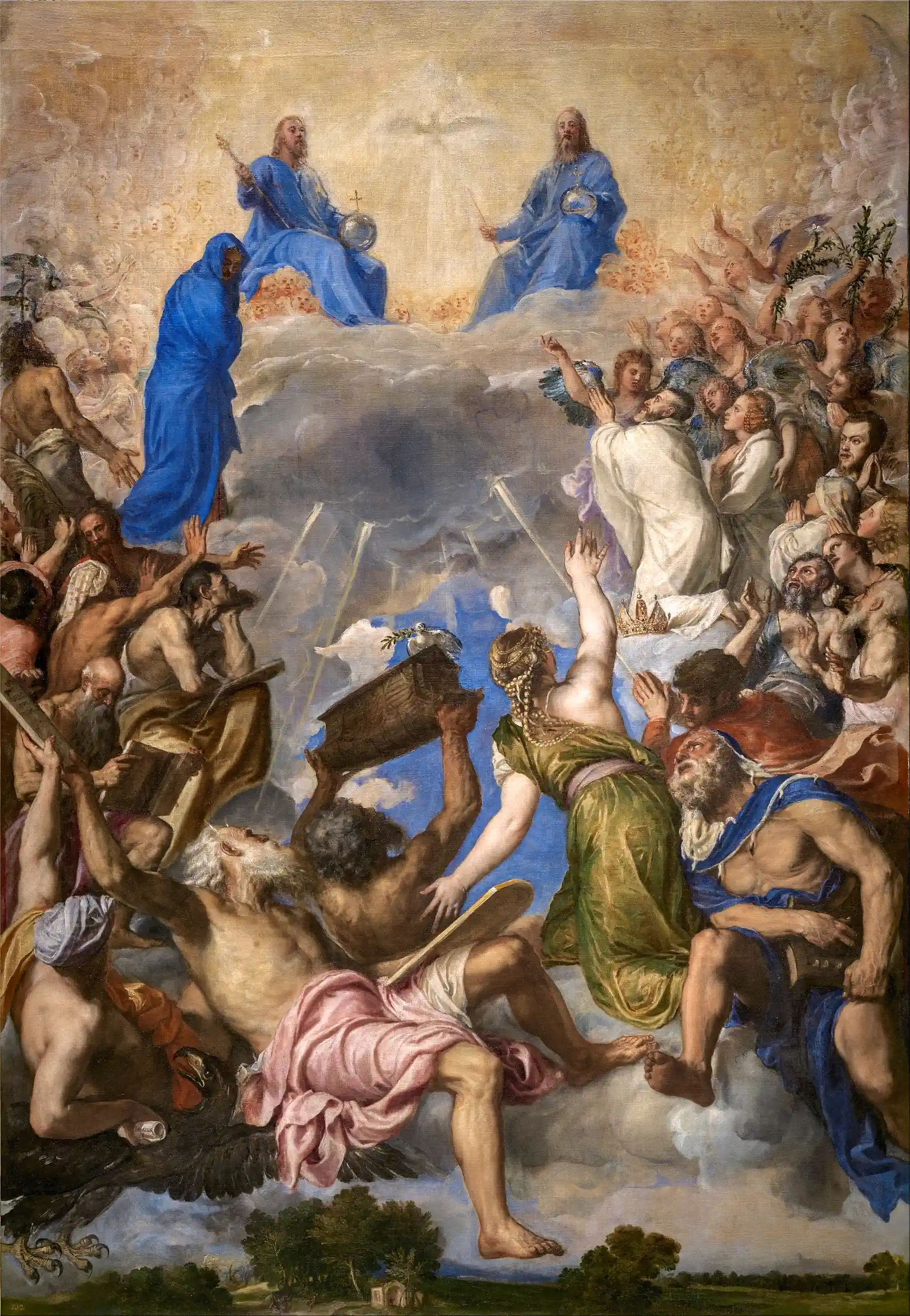
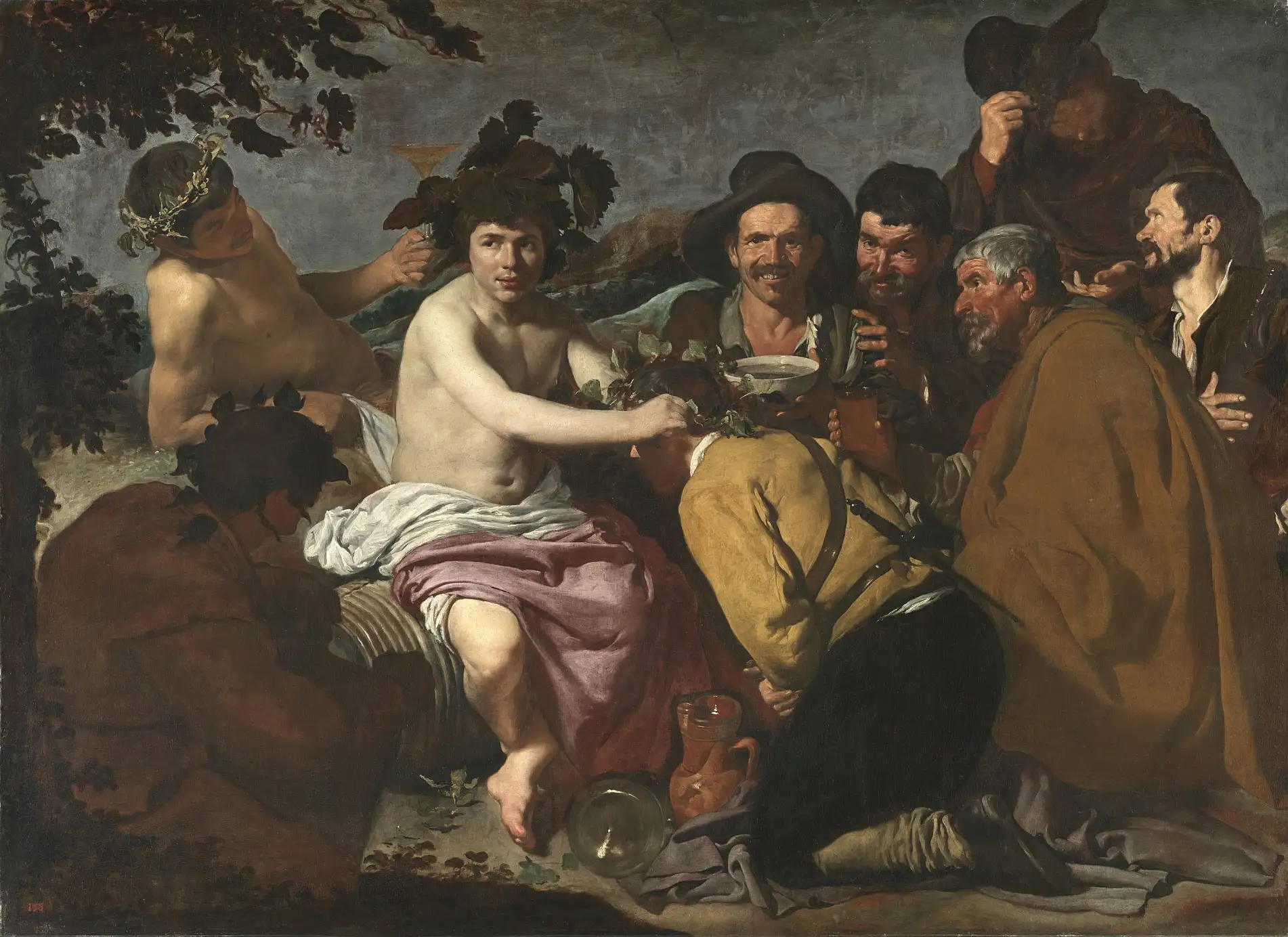
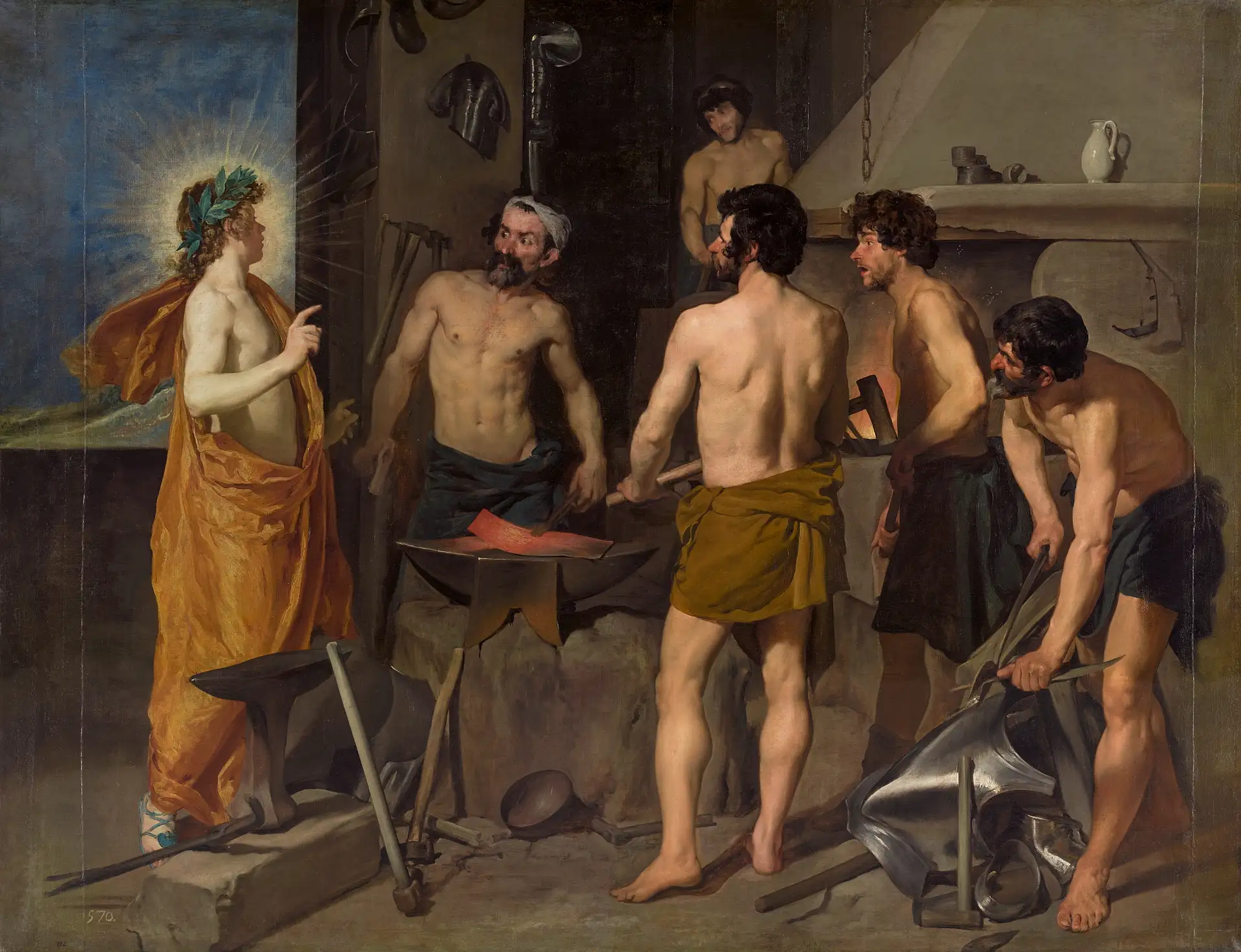
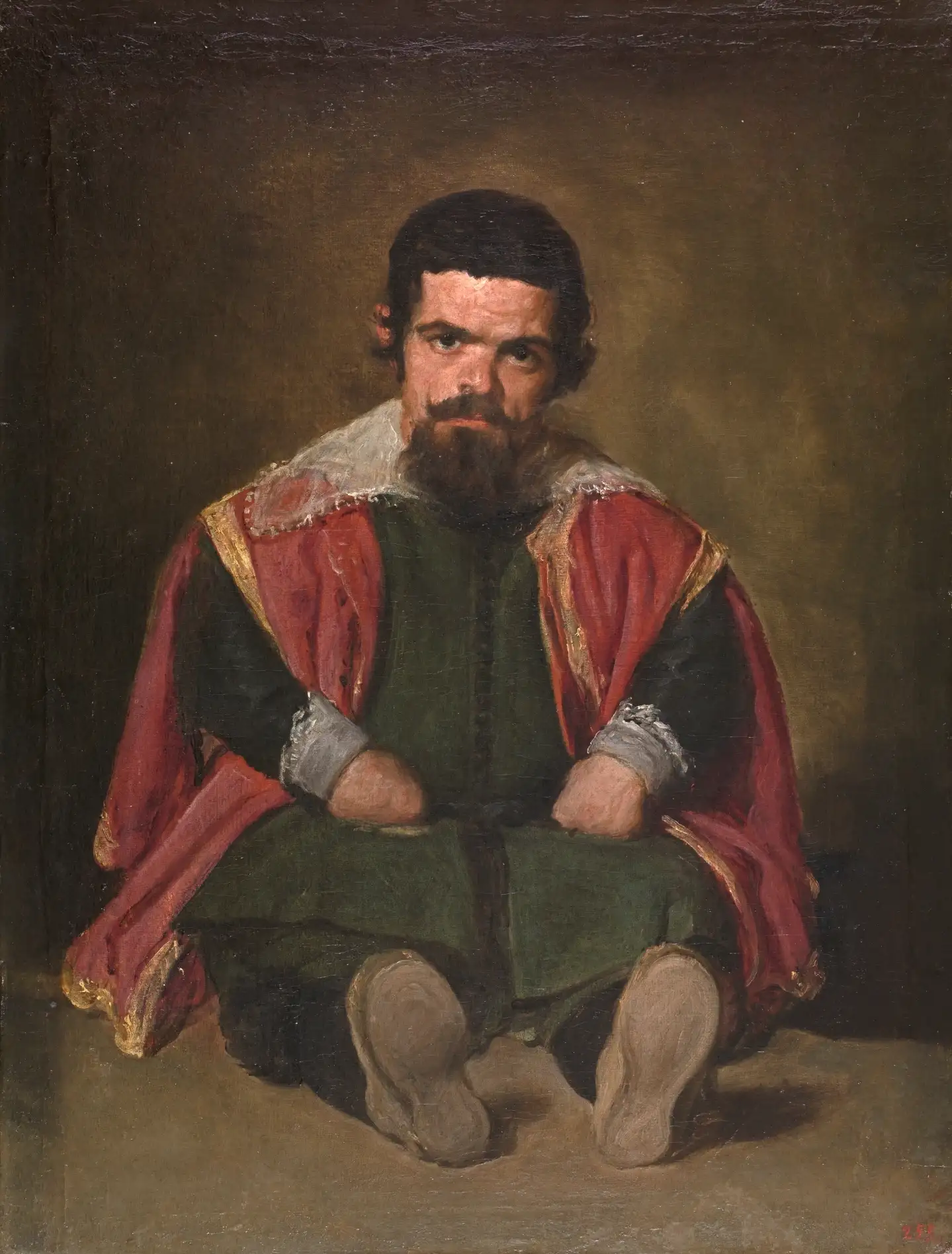
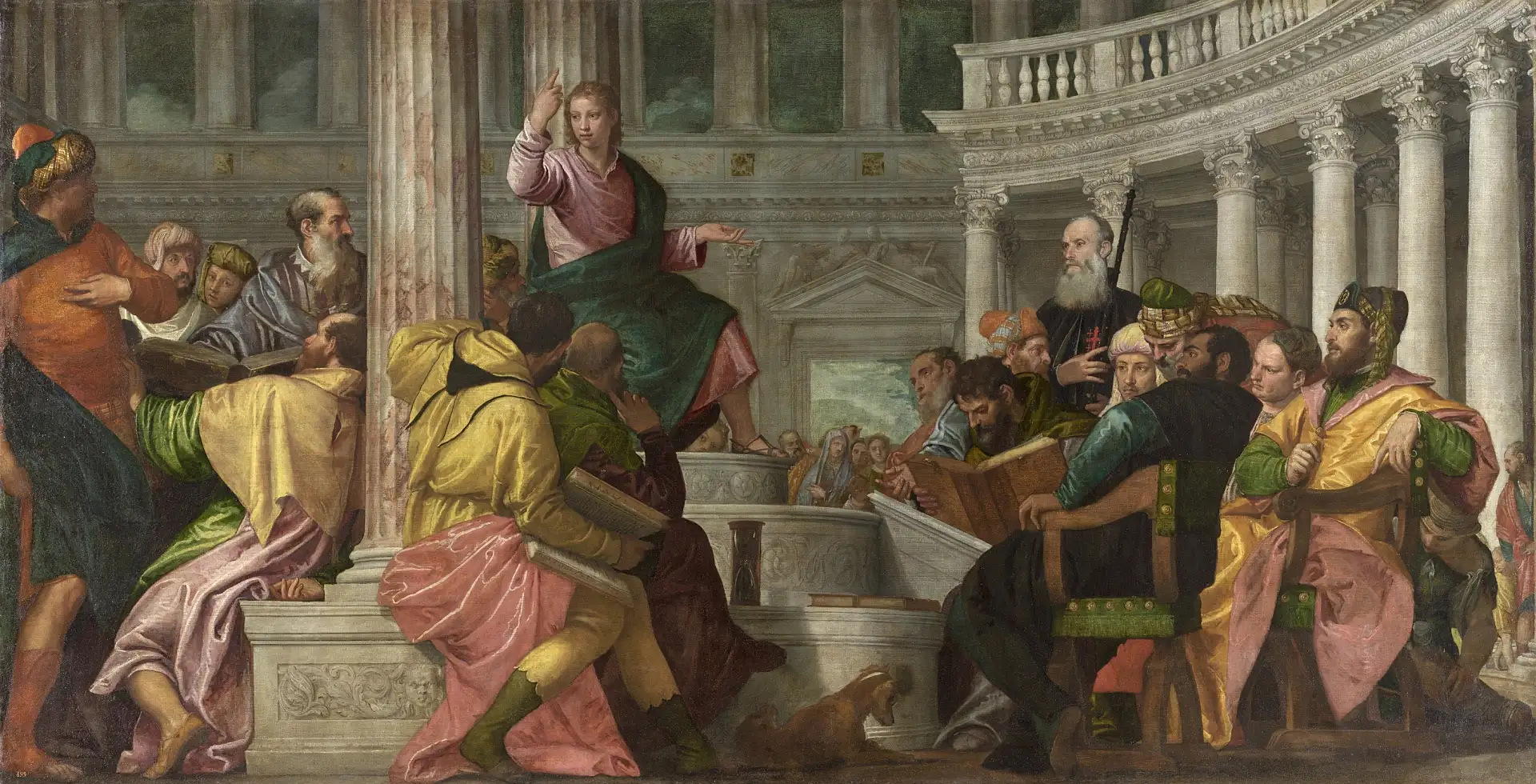
The collection here is amazing, totally on par with anything I saw in Italy. The work skews Spanish of course, with a ton of paintings by Ribera and Velazquez, but they also have a whole room full of Rubens and a good representation of every other renaissance artist you'd care to see. I more or less visited the rooms in numerical order but even so the photos I took seem to be in no particular order... so I'm gonna do it alphabetically by artist, then by date of the work, unless layout reasons or grouping by artist dictate otherwise.
Except where otherwise noted, images are copyright Photographic Archive Museo Nacional del Prado.
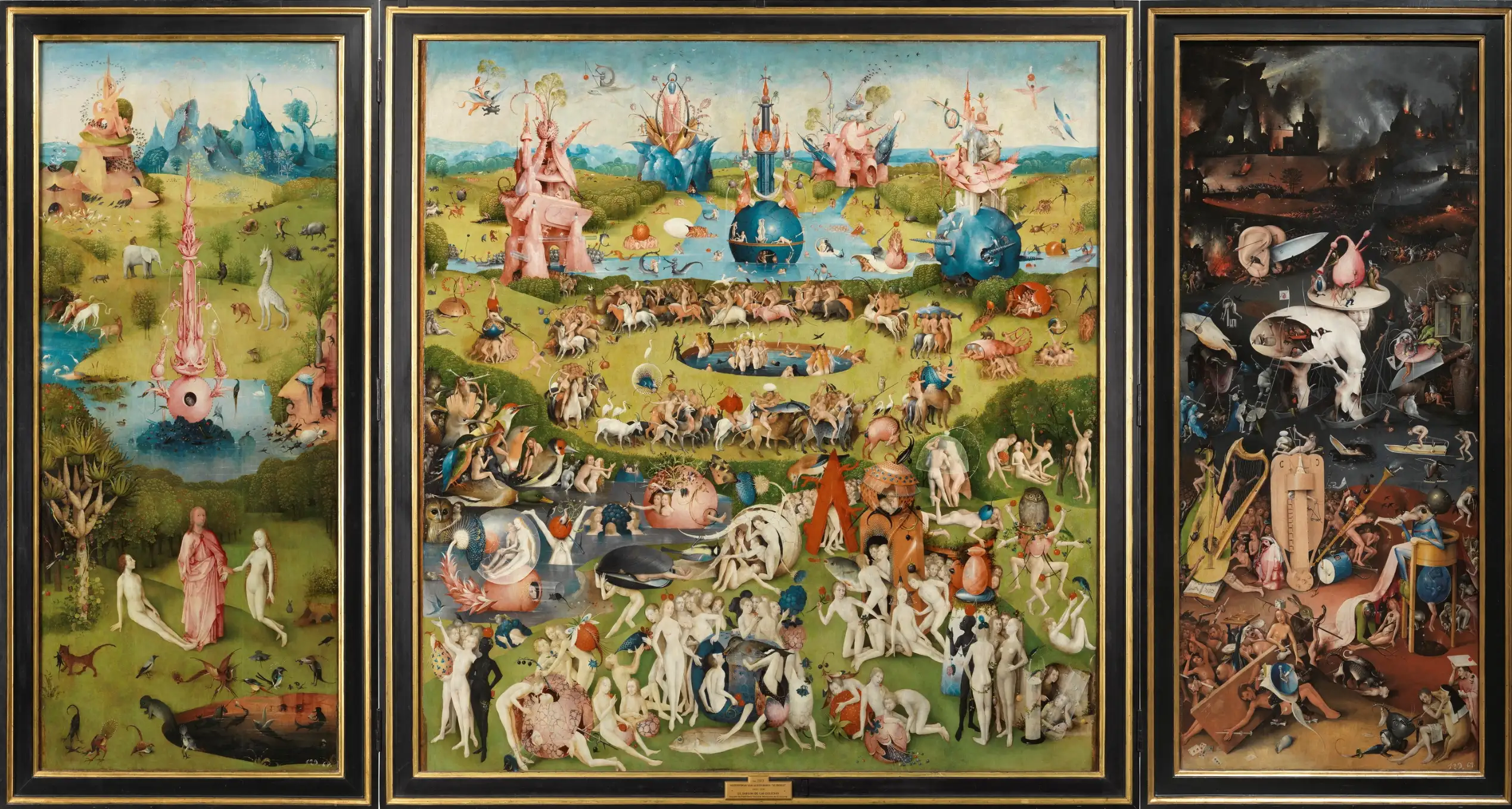
The Garden of Earthly Delights by Hieronymus Bosch, 1490 - 1500. This is one of those paintings everyone wants to see and on this one I agree. His depictions of hell and devils are so bananas, how can you resist them?
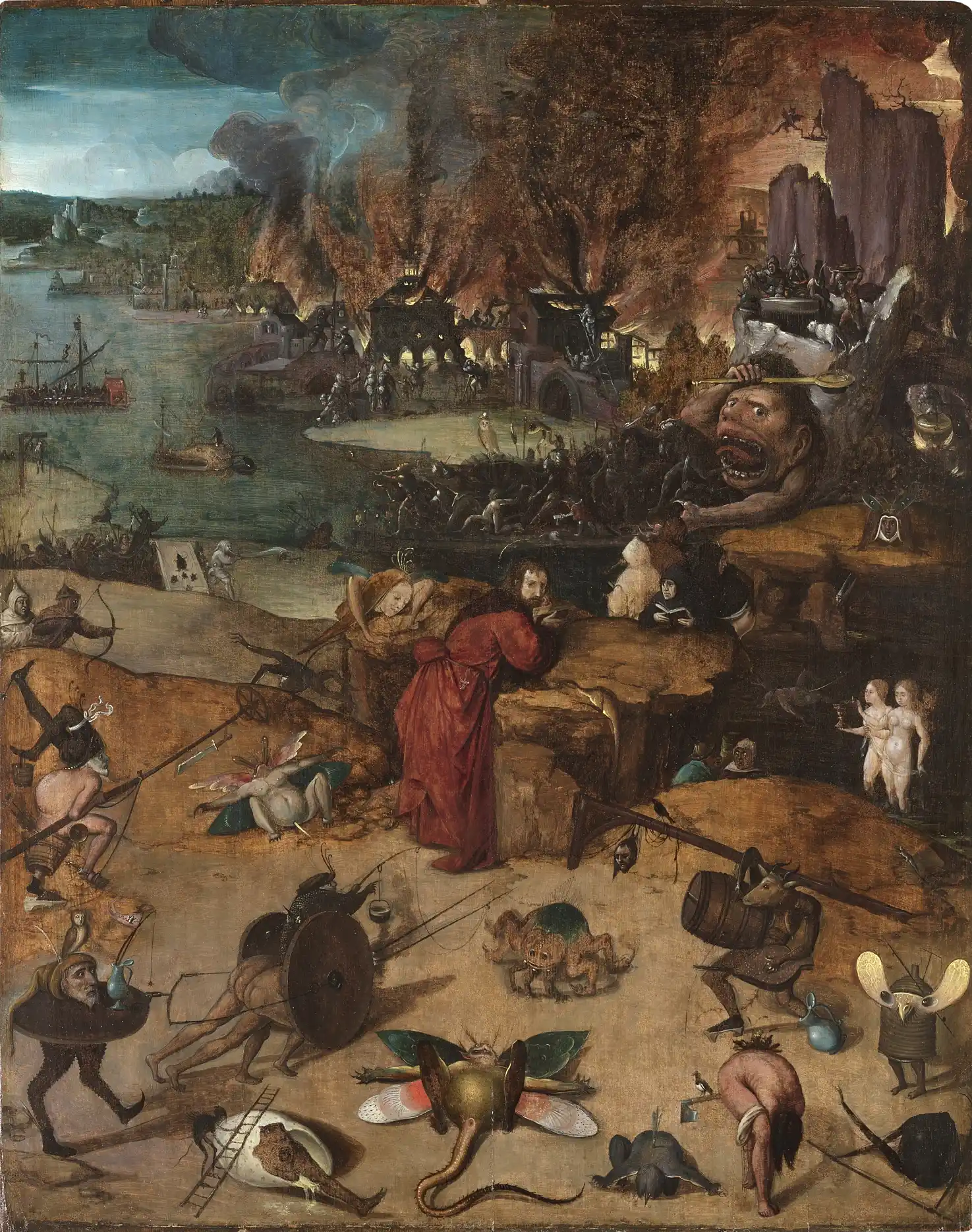
The Temptations of Saint Anthony by Hieronymus Bosch, 1550 - 1560.
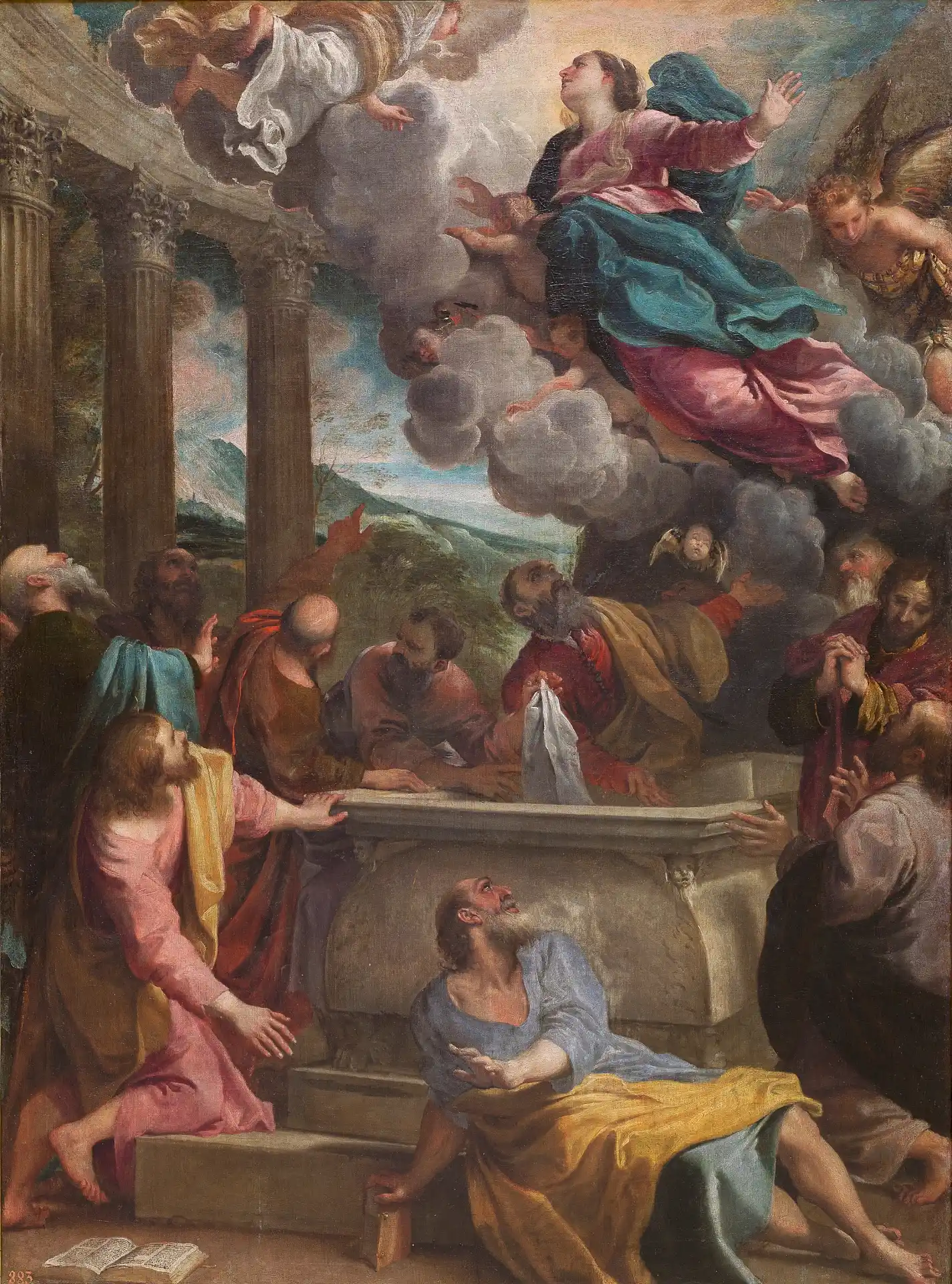
The Assumption of the Virgin by Annibale Carracci, 1588 - 1590.
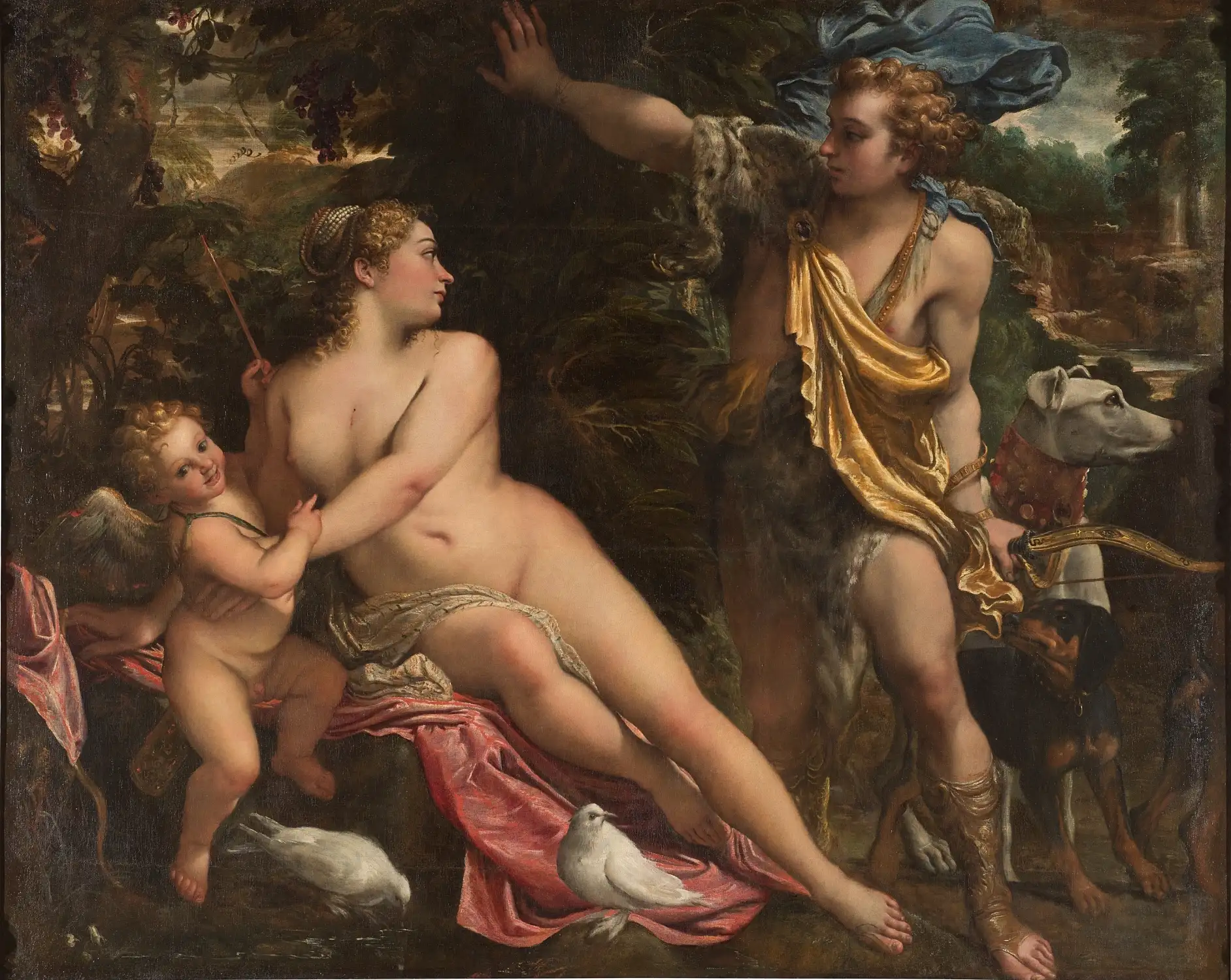
Venus, Adonis and Cupid by Annibale Carracci, circa 1590.
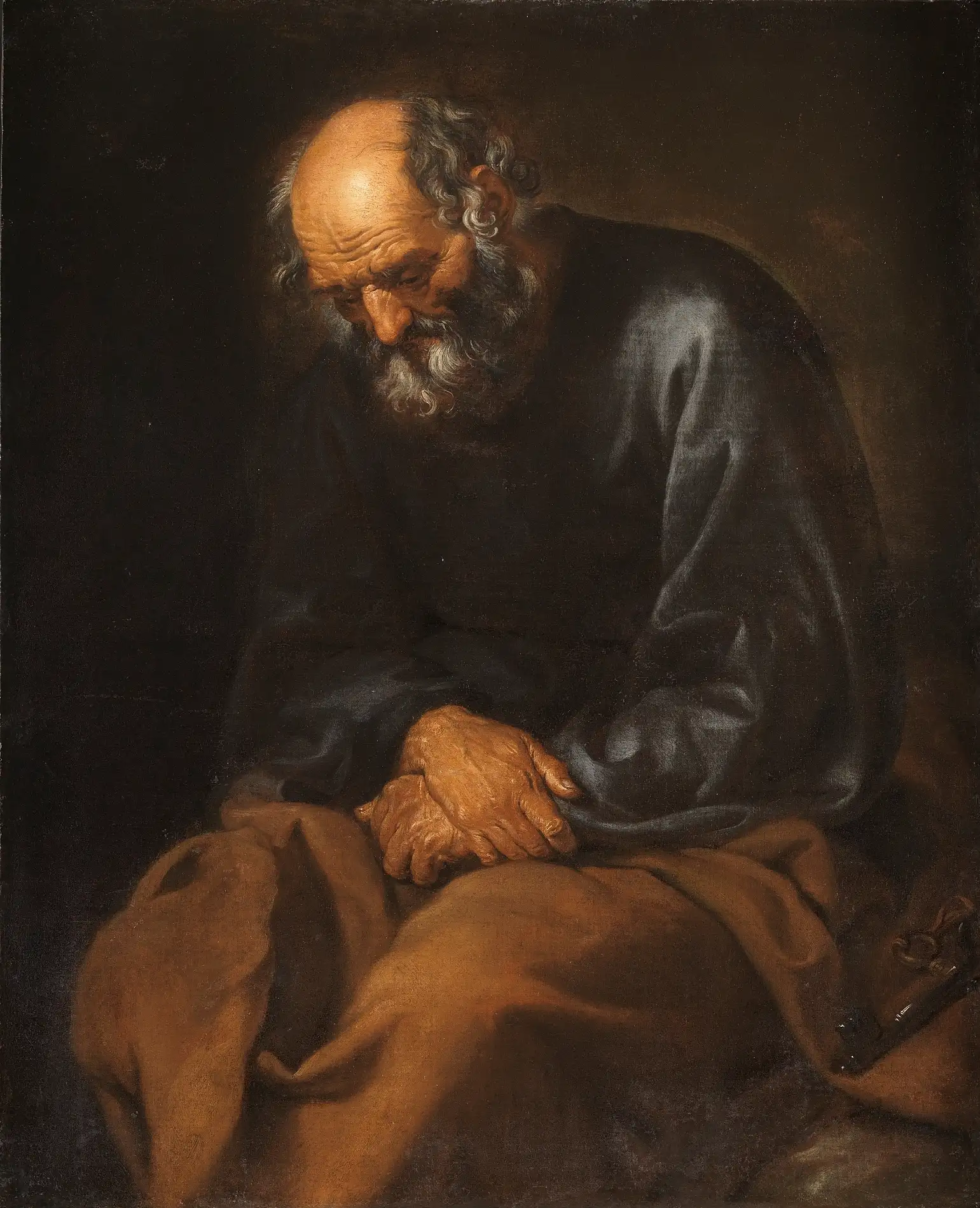
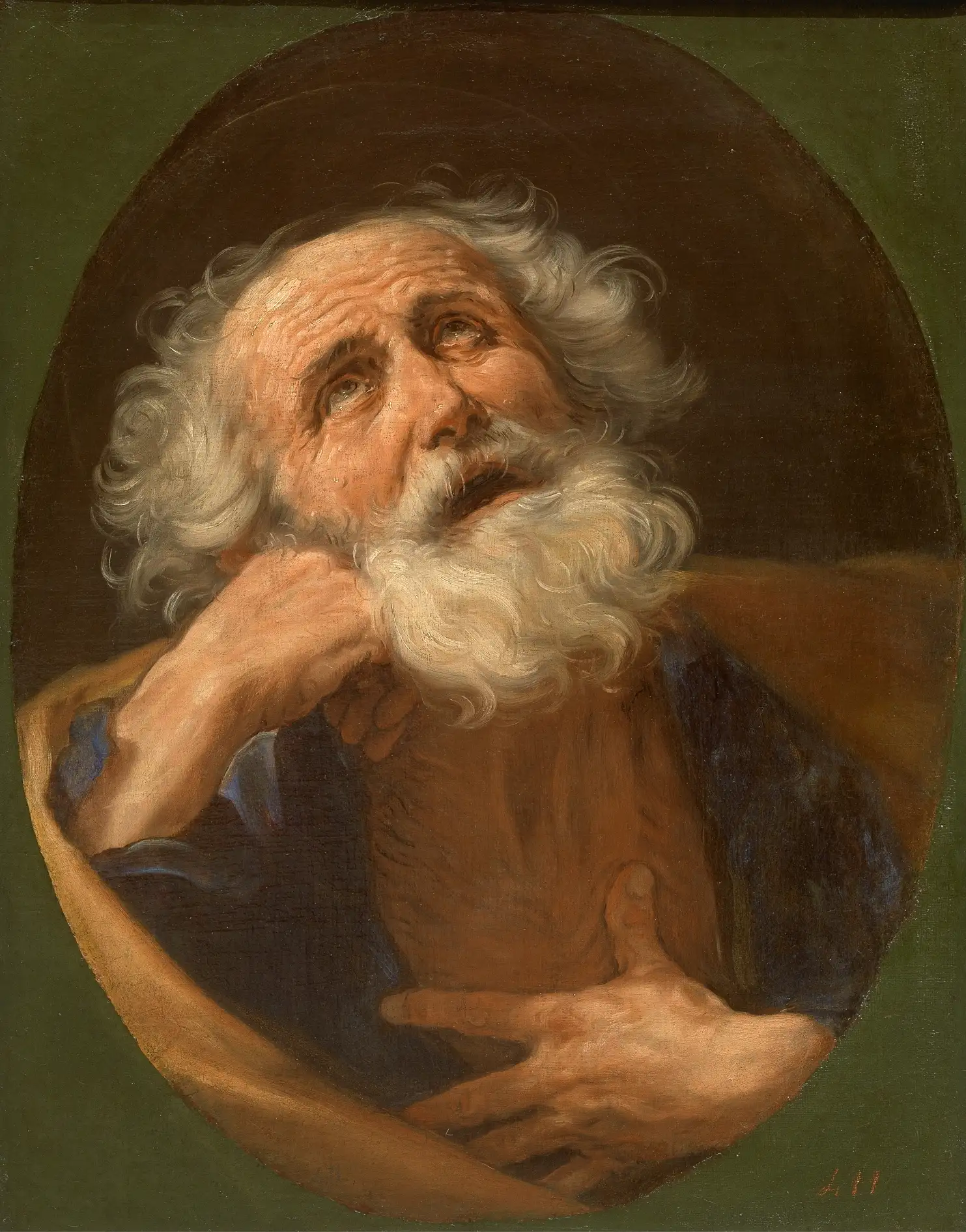
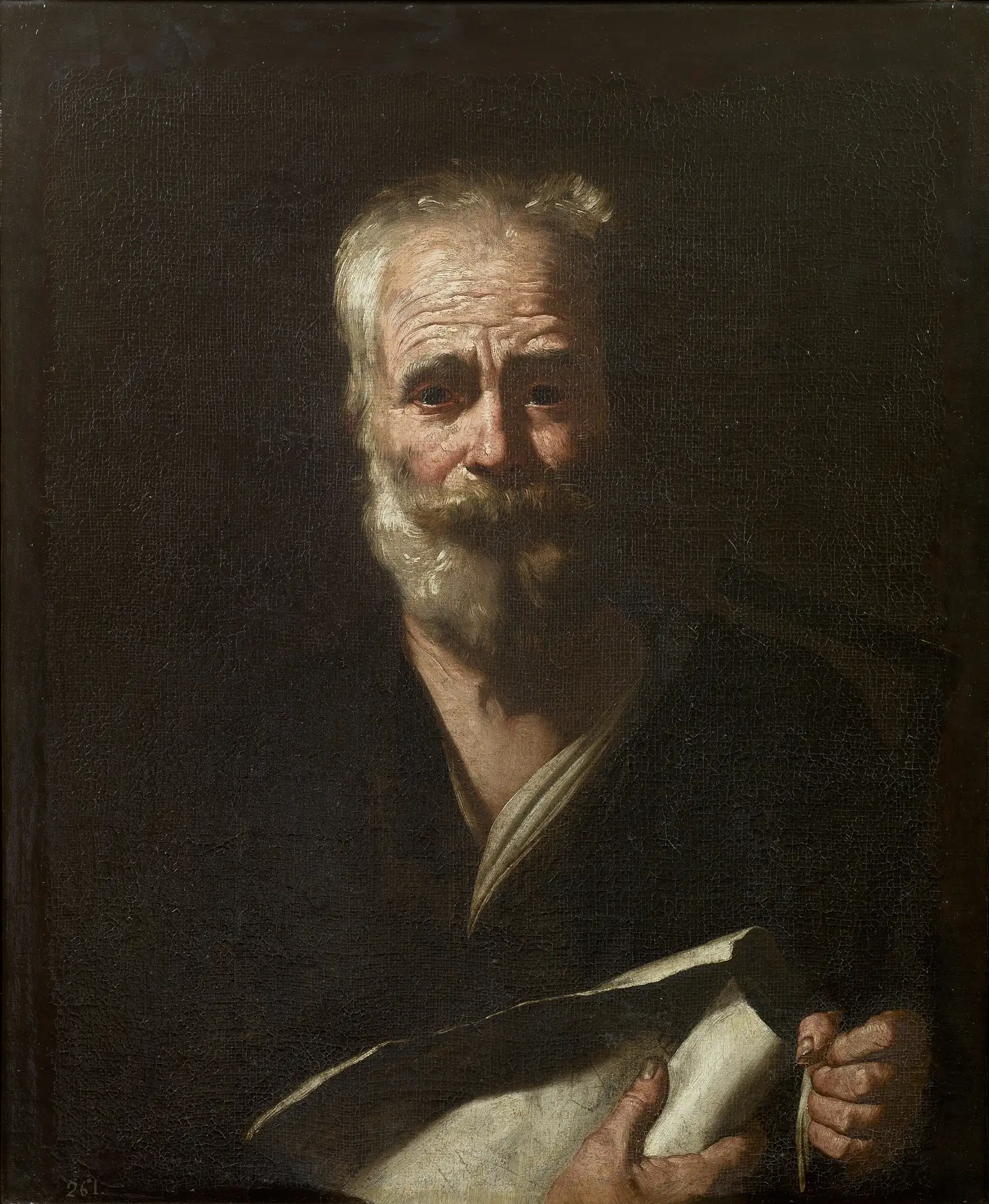
Saint Peter Weeping by Anonymous, 1620 - 1630. Nicely done, whoever the artist was!
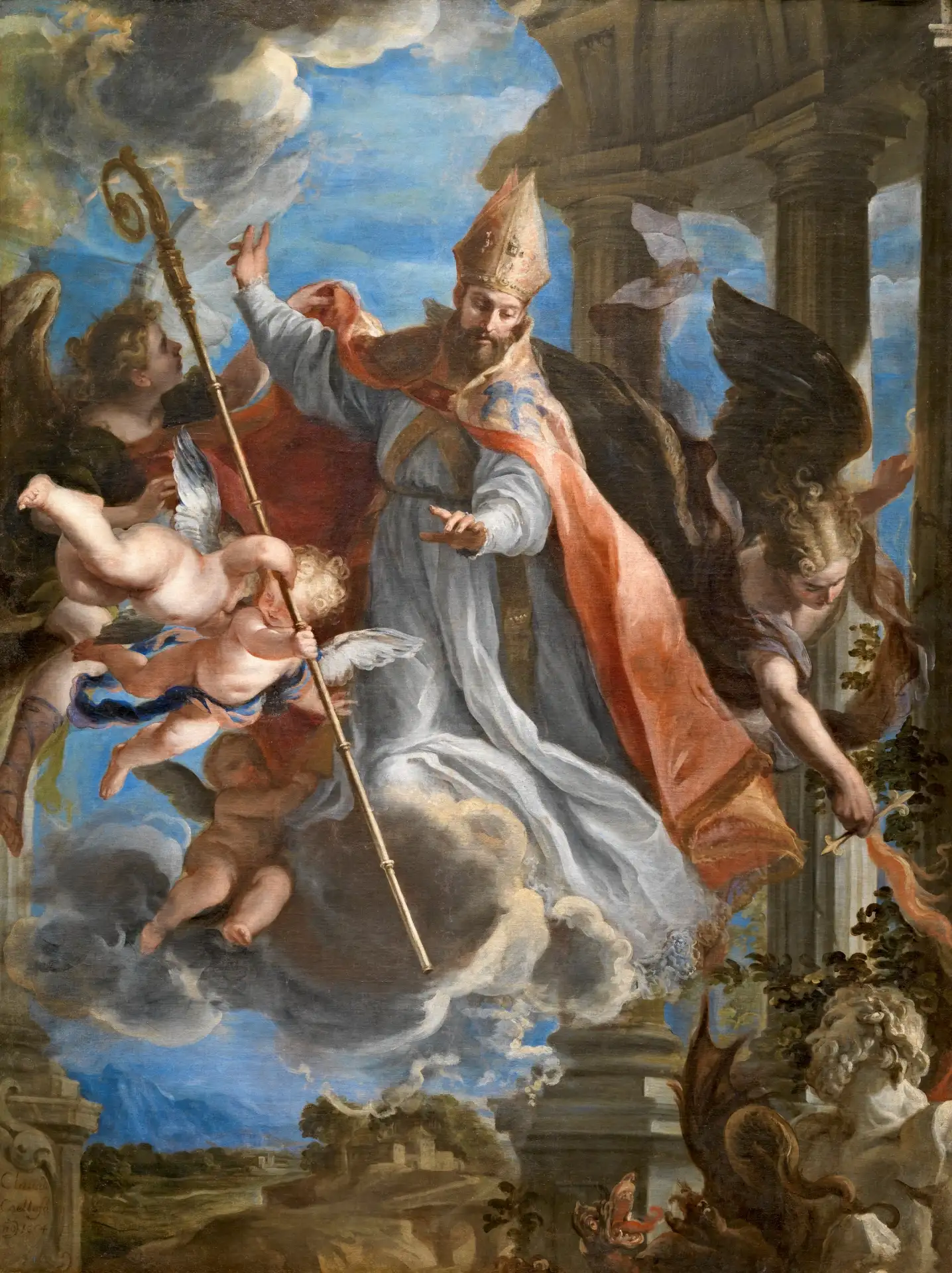
The Triumph of Saint Augustine by Claudio Coello, 1664.
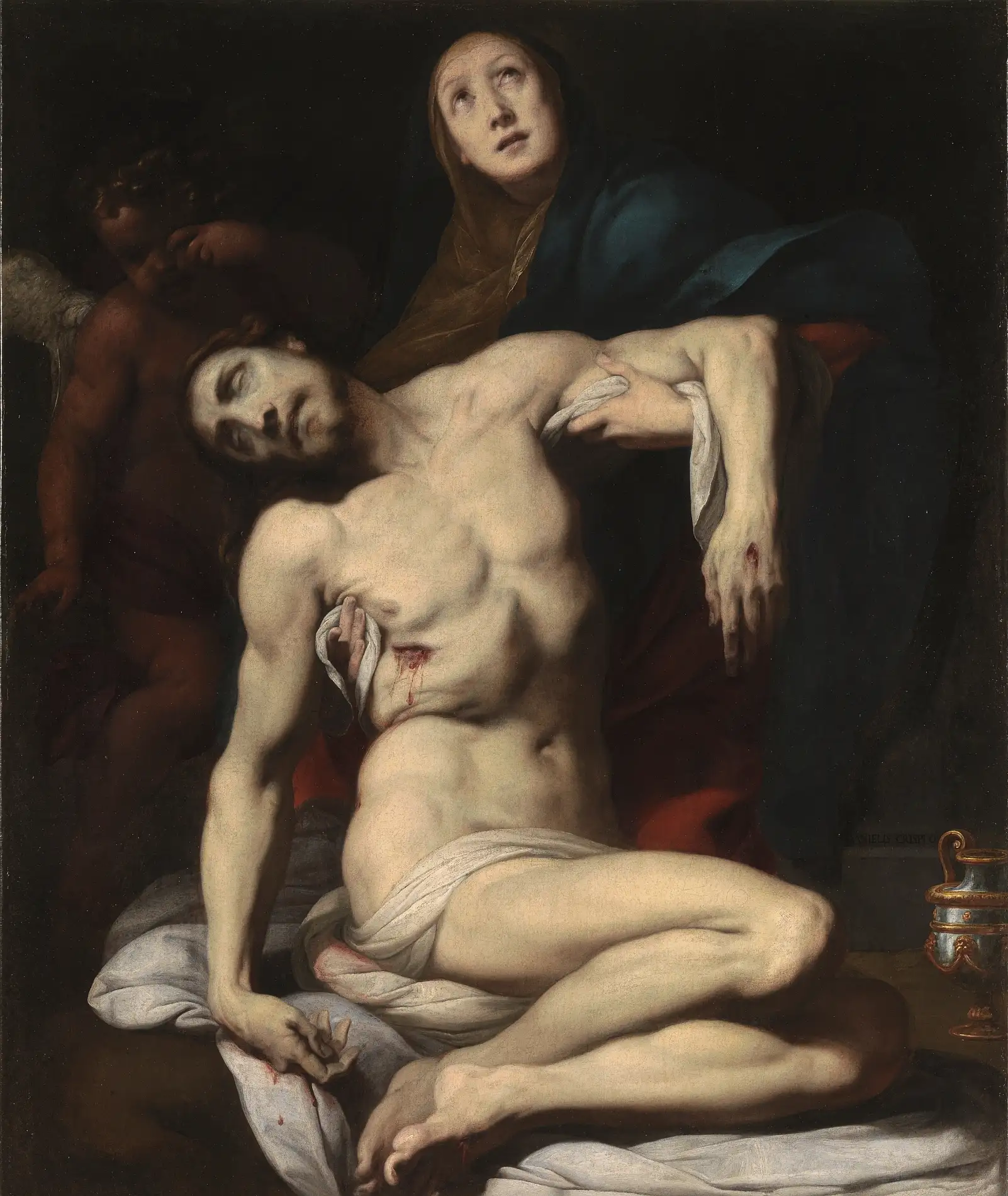
Pietà by Daniele Crespi, 1626.
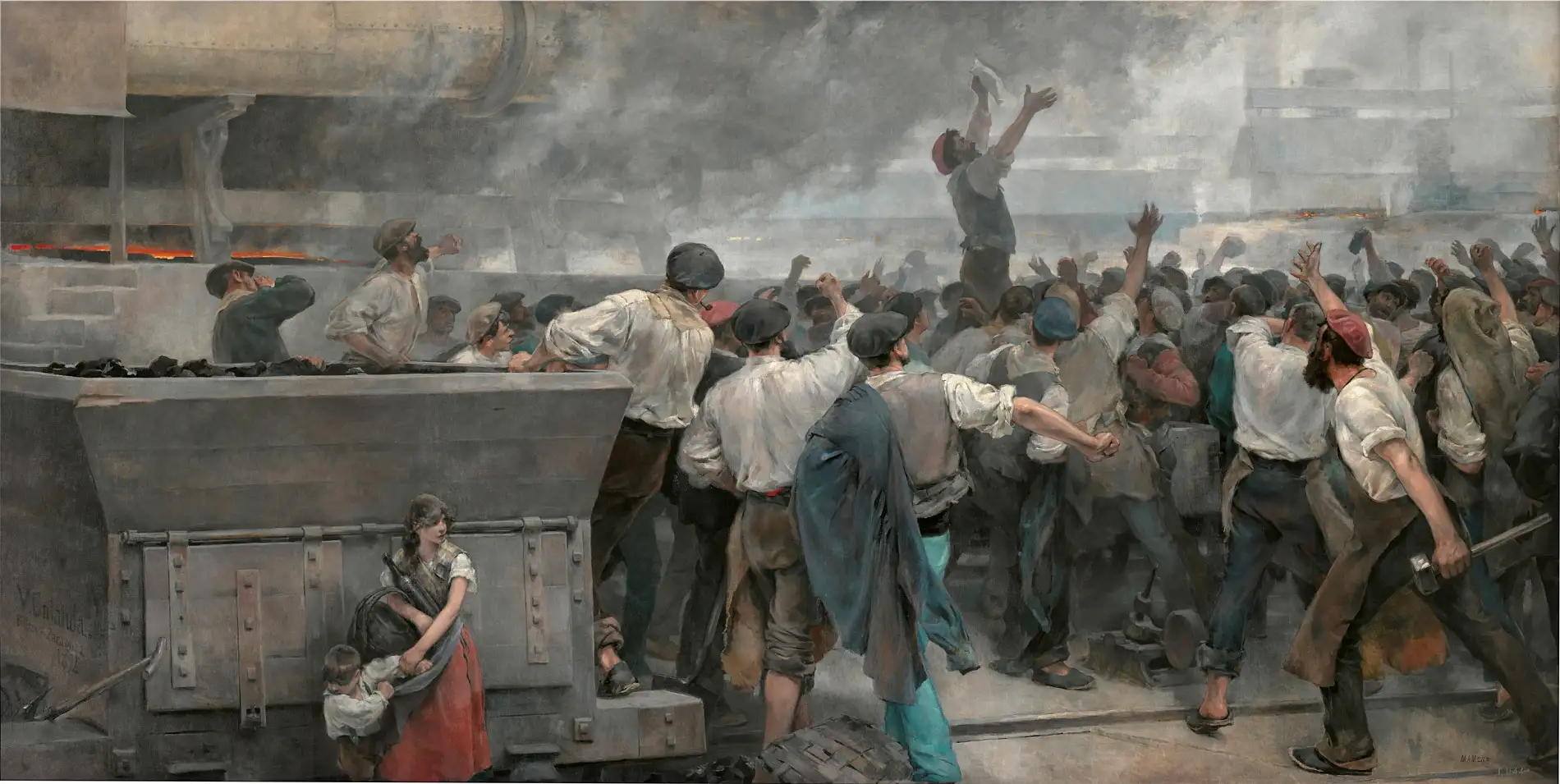
Workers on Strike in Vizcaya by Vicente Cutanda Toraya, 1892. The Impressionists were fine, but as far as late 19th century painting goes, I'll take someone who can really draw any day of the week.
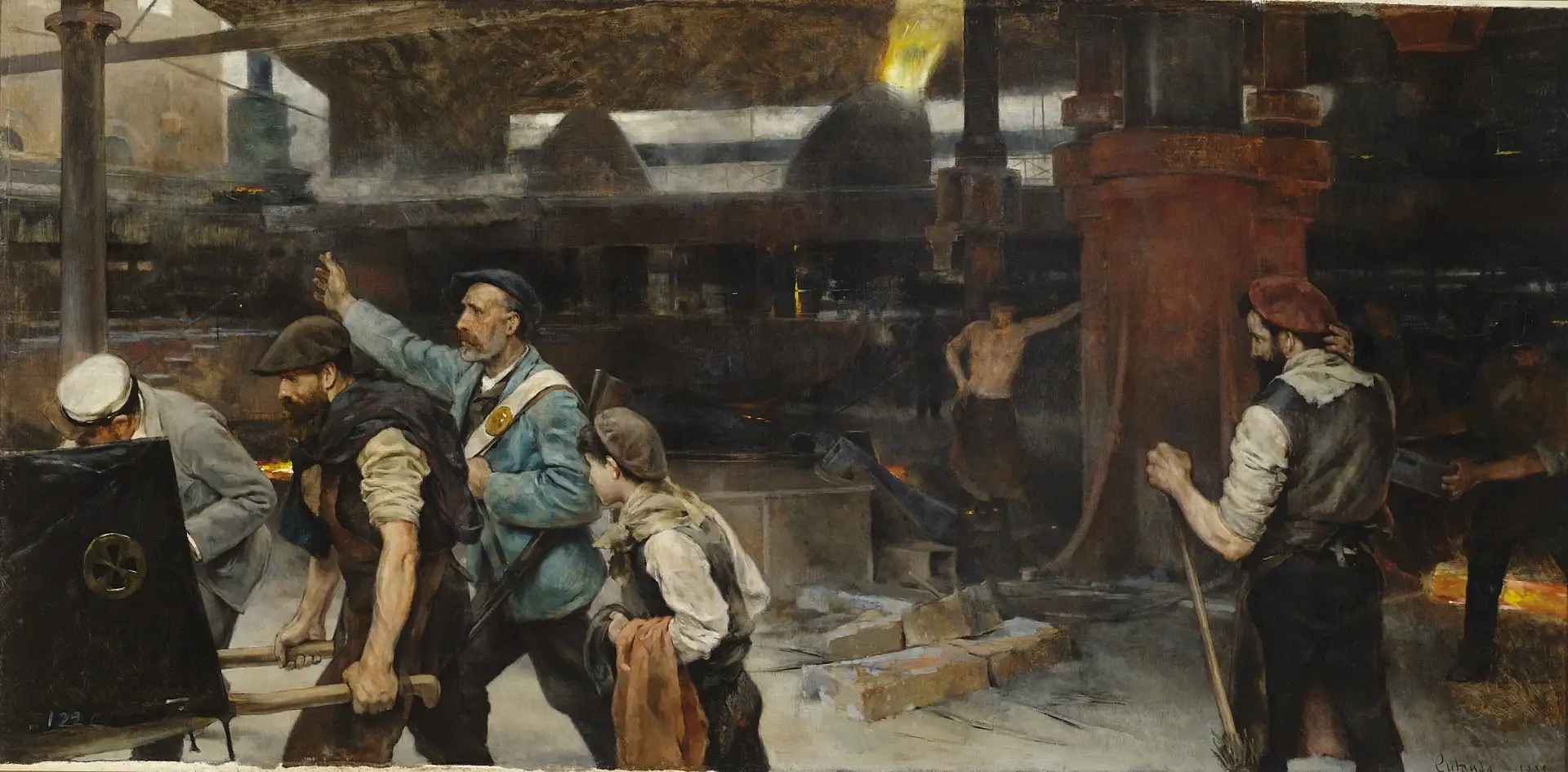
Epilogue by Vicente Cutanda Toraya, 1895.
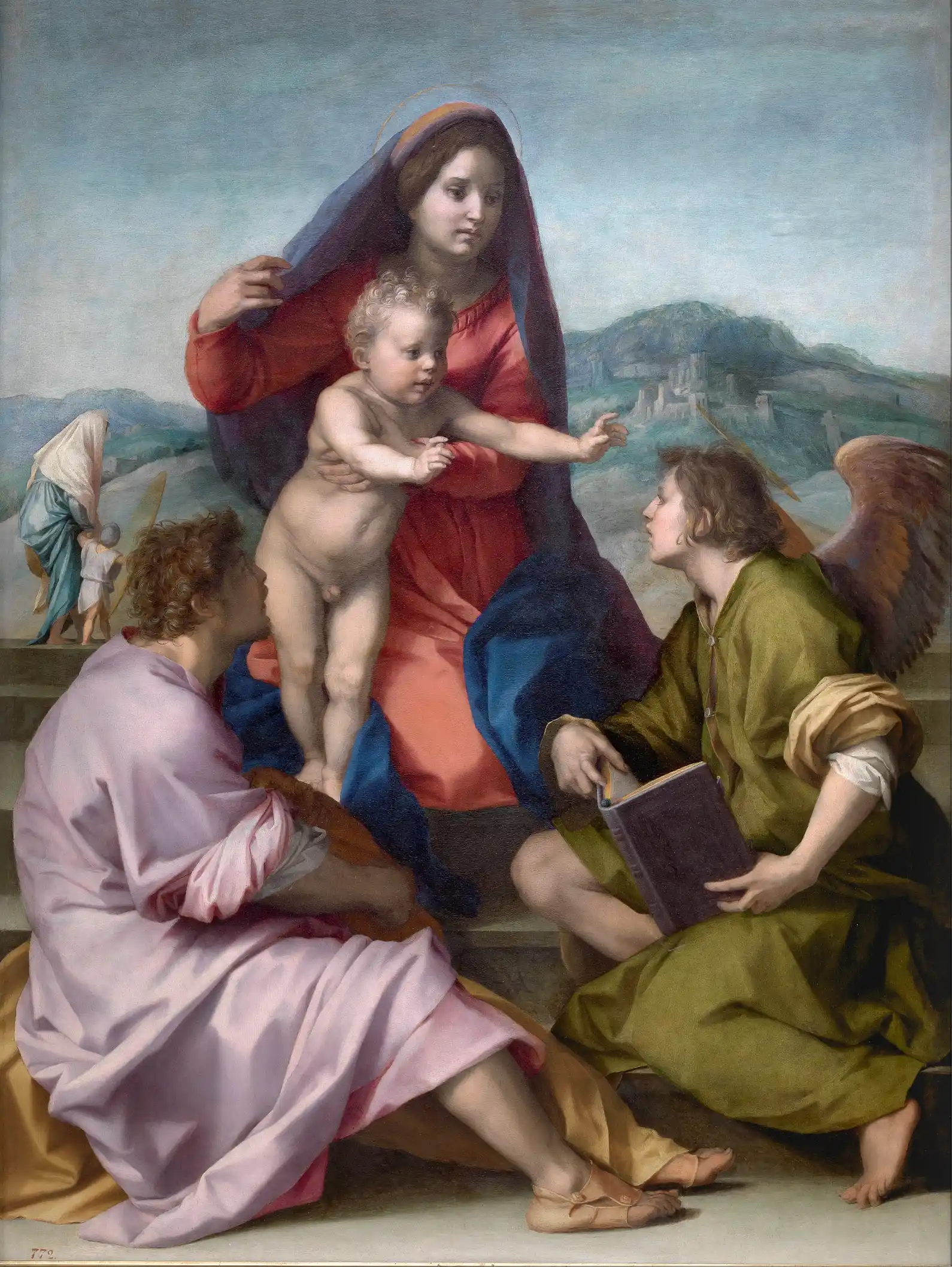
The Virgin and Child Between Saint Matthew and an Angel by Andrea del Sarto, 1522. They have a few others of his but his best work remains in Italy.
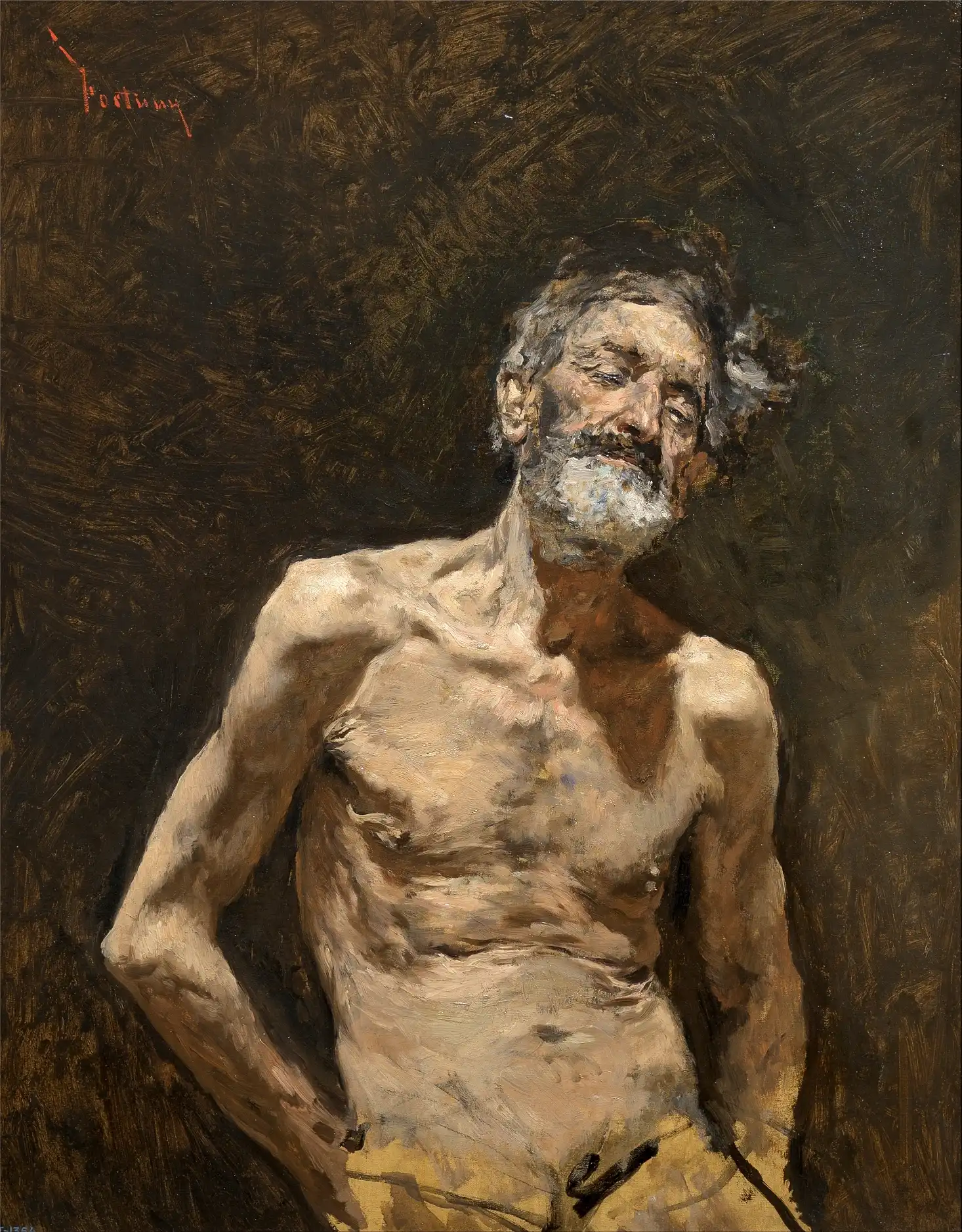
Nude Old Man in the Sun by Mariano Fortuny, circa 1871. Quite a guy, a bit of a renaissance man whose palazzo in Venice is now a museum. I wish the museum had more of his paintings - he's really good!
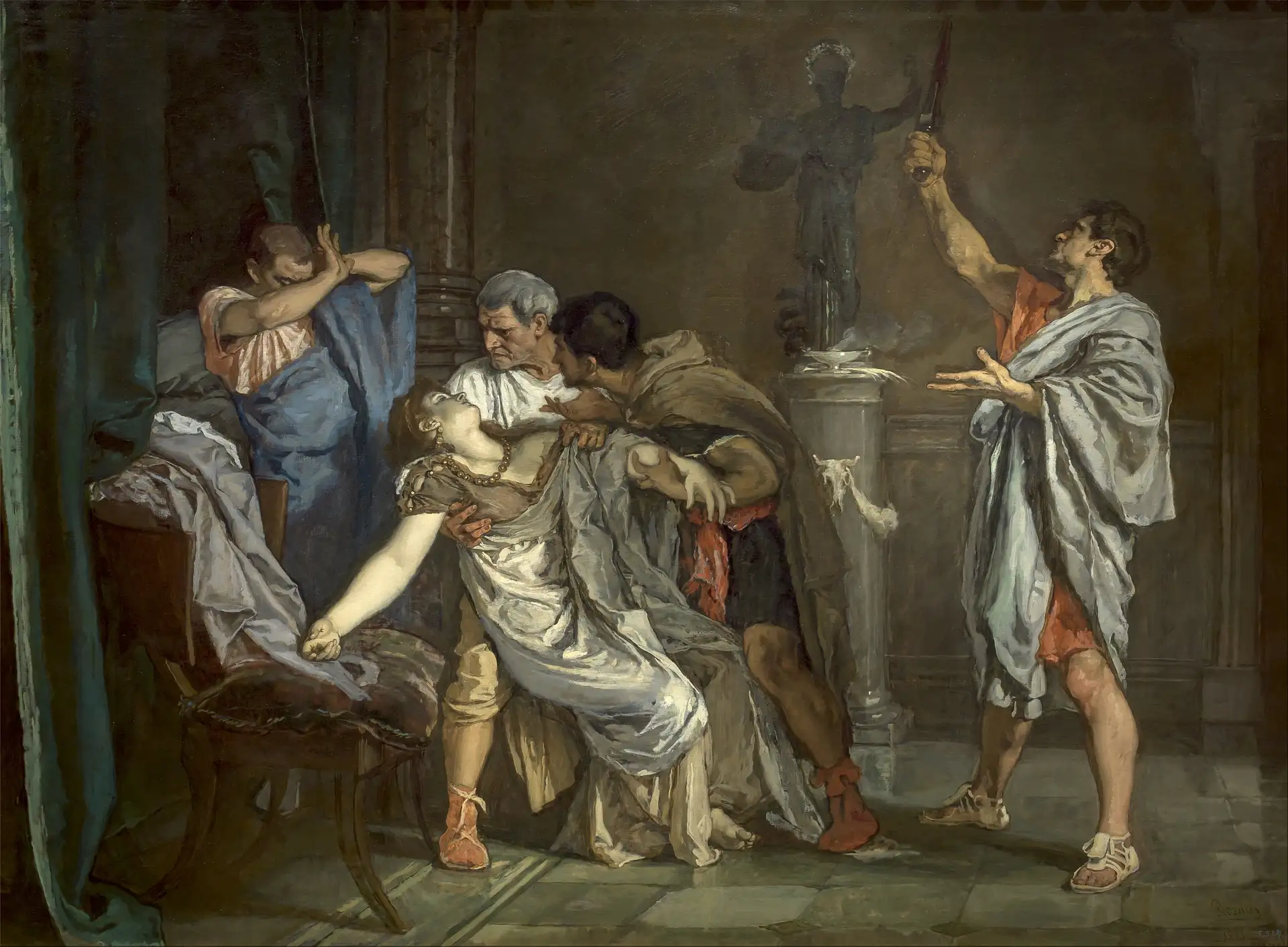
The Death of Lucretia by Eduardo Rosales Gallinas, 1871. They have a bunch of his work on display, this one's the best IMHO.
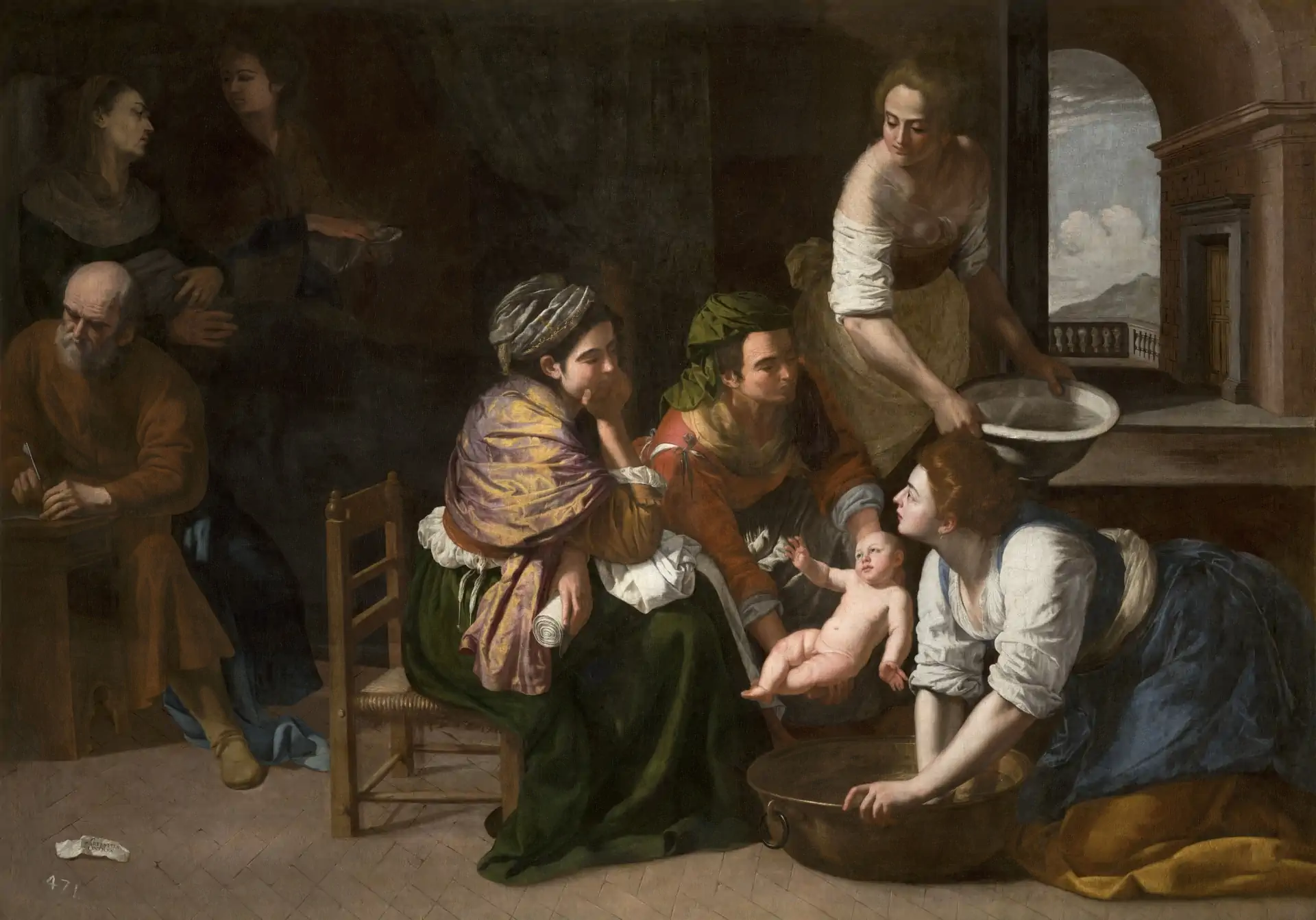
The Birth of Saint John the Baptist by Artemisia Gentileschi, 1635.
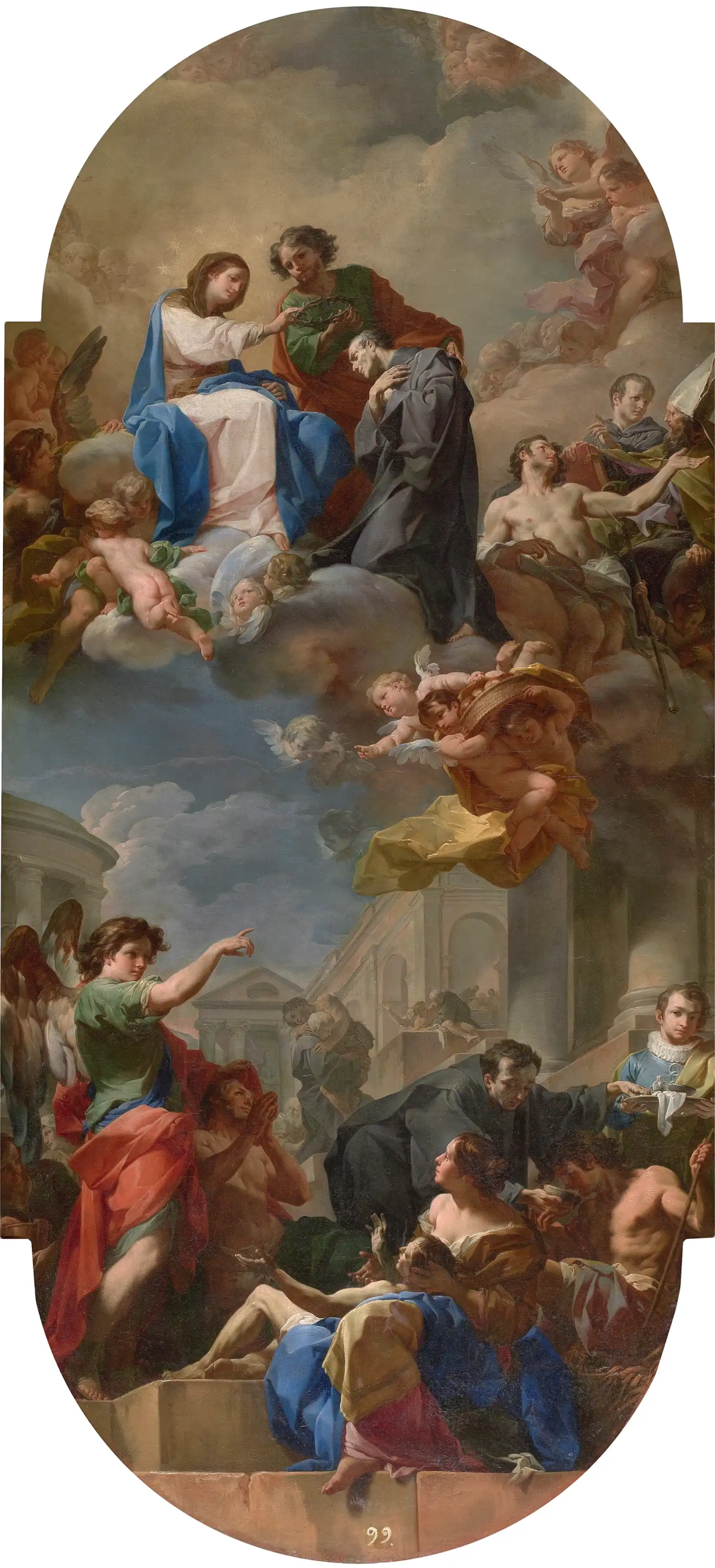
The Triumph of Saint John of God by Corrado Giaquinto, 1740.
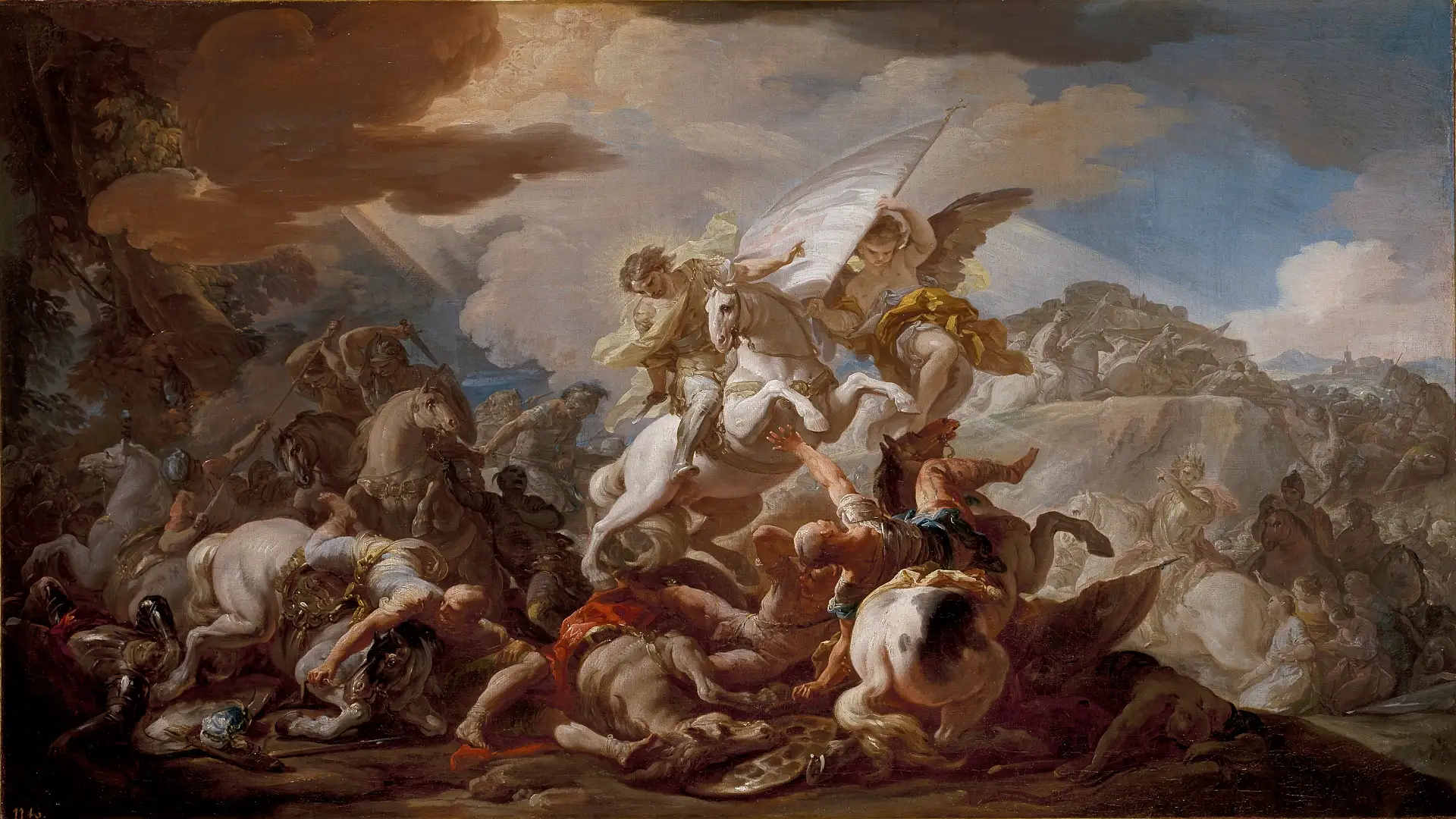
The Battle of Clavijo by Corrado Giaquinto, 1755 - 1756.
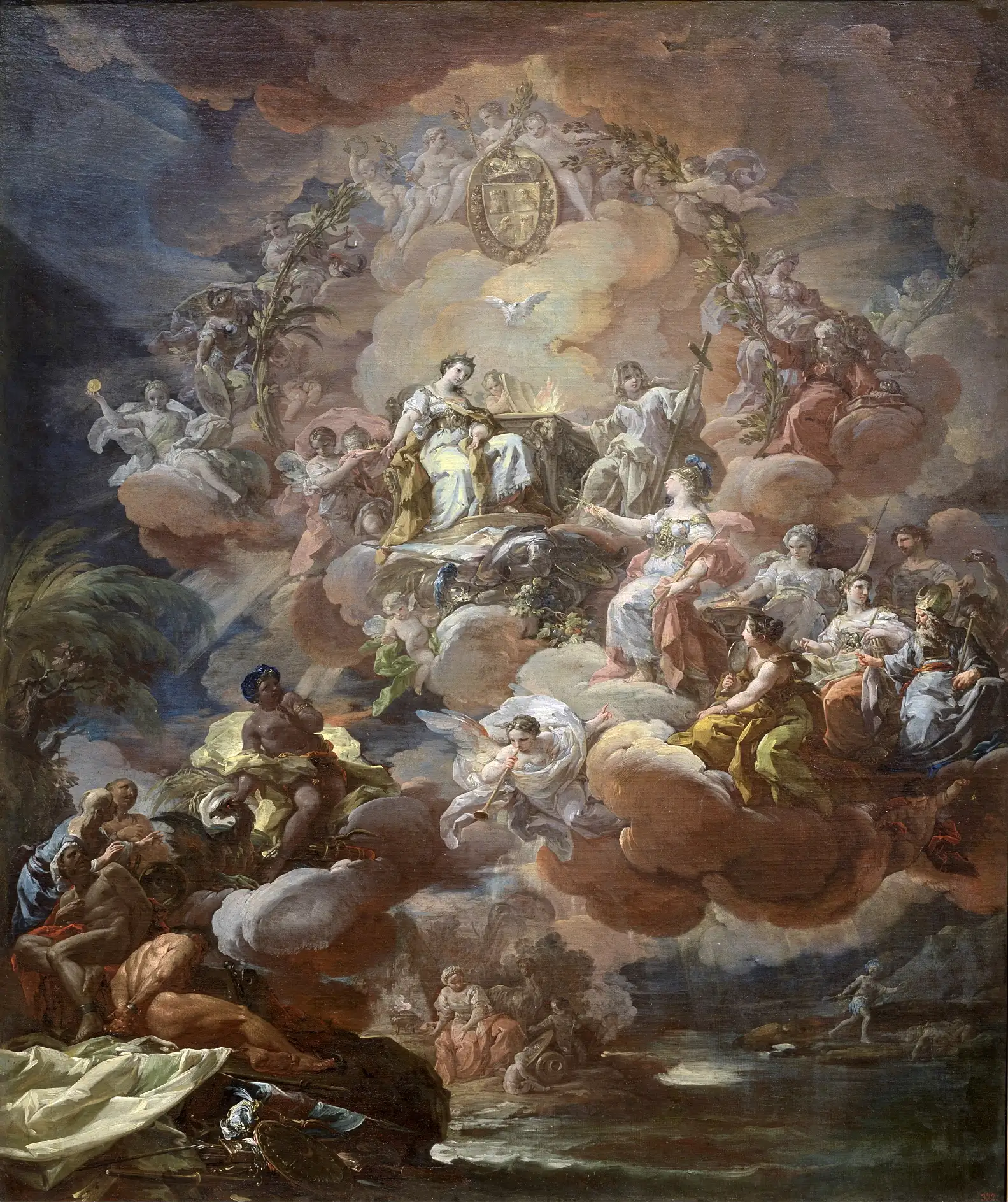
Spain pays Homage to Religion and Faith by Corrado Giaquinto, 1759.
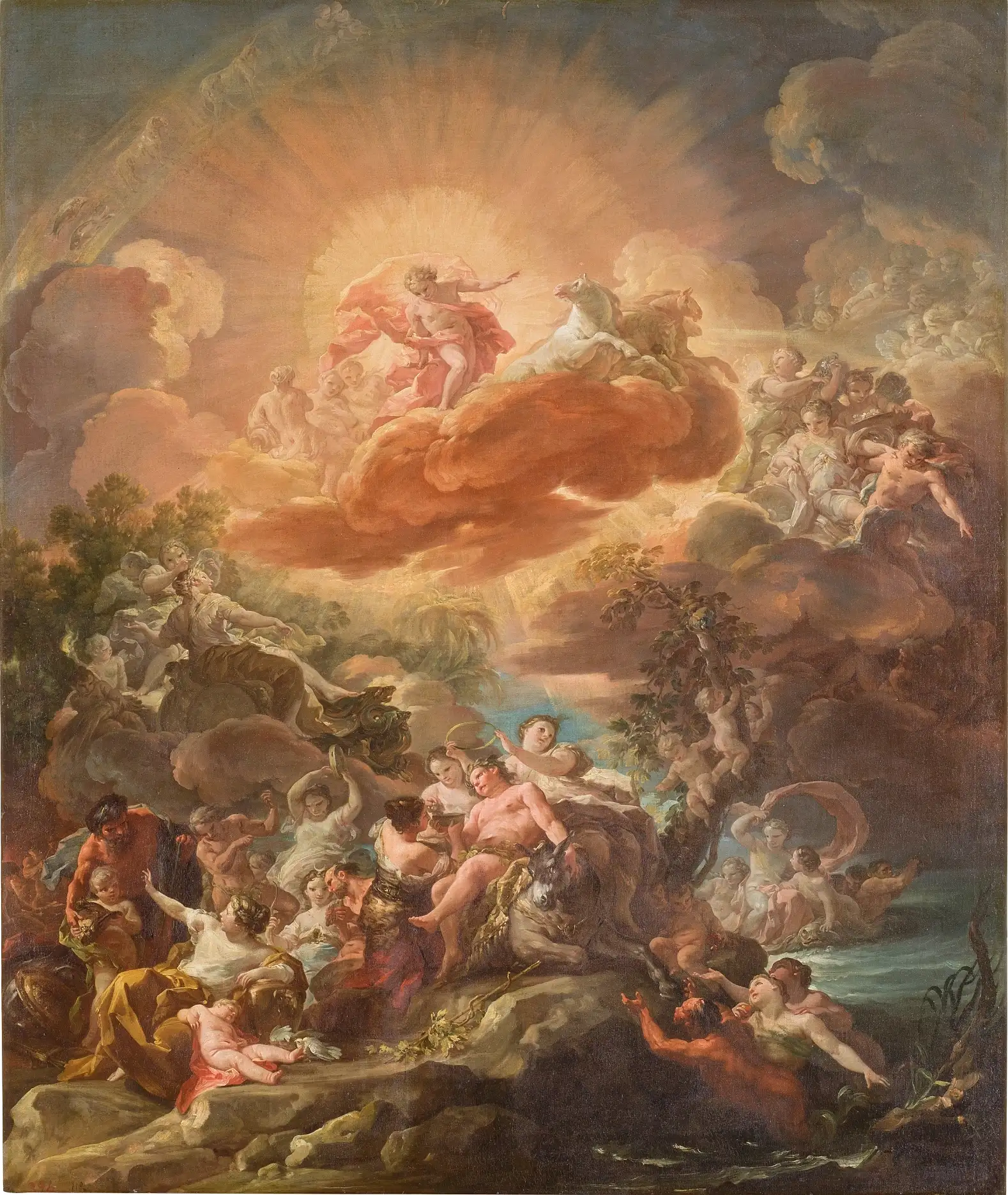
The Birth of the Sun and the Triumph of Bacchus by Corrado Giaquinto, 1761.
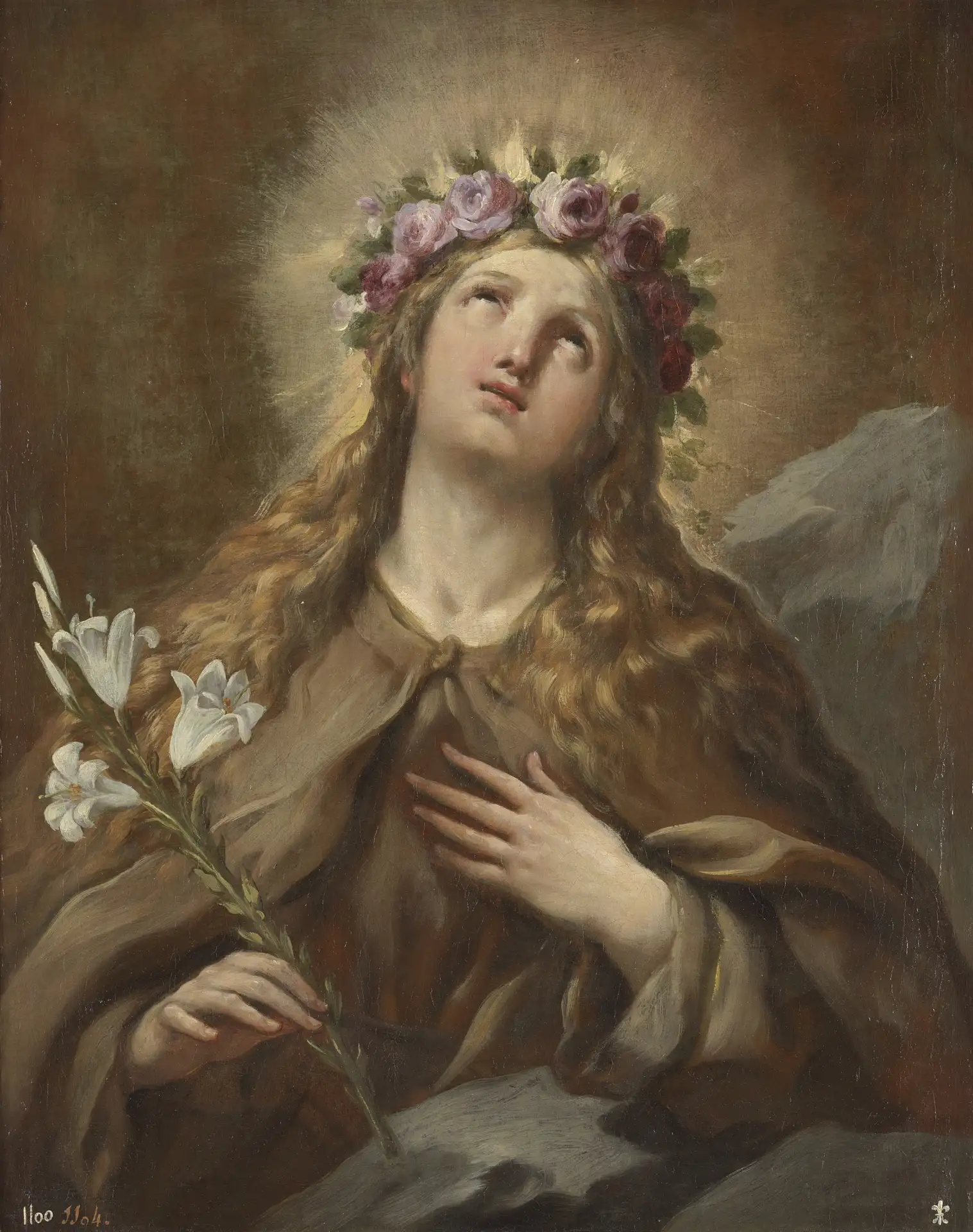
Saint Rosalia by Luca Giordano, circa 1697.
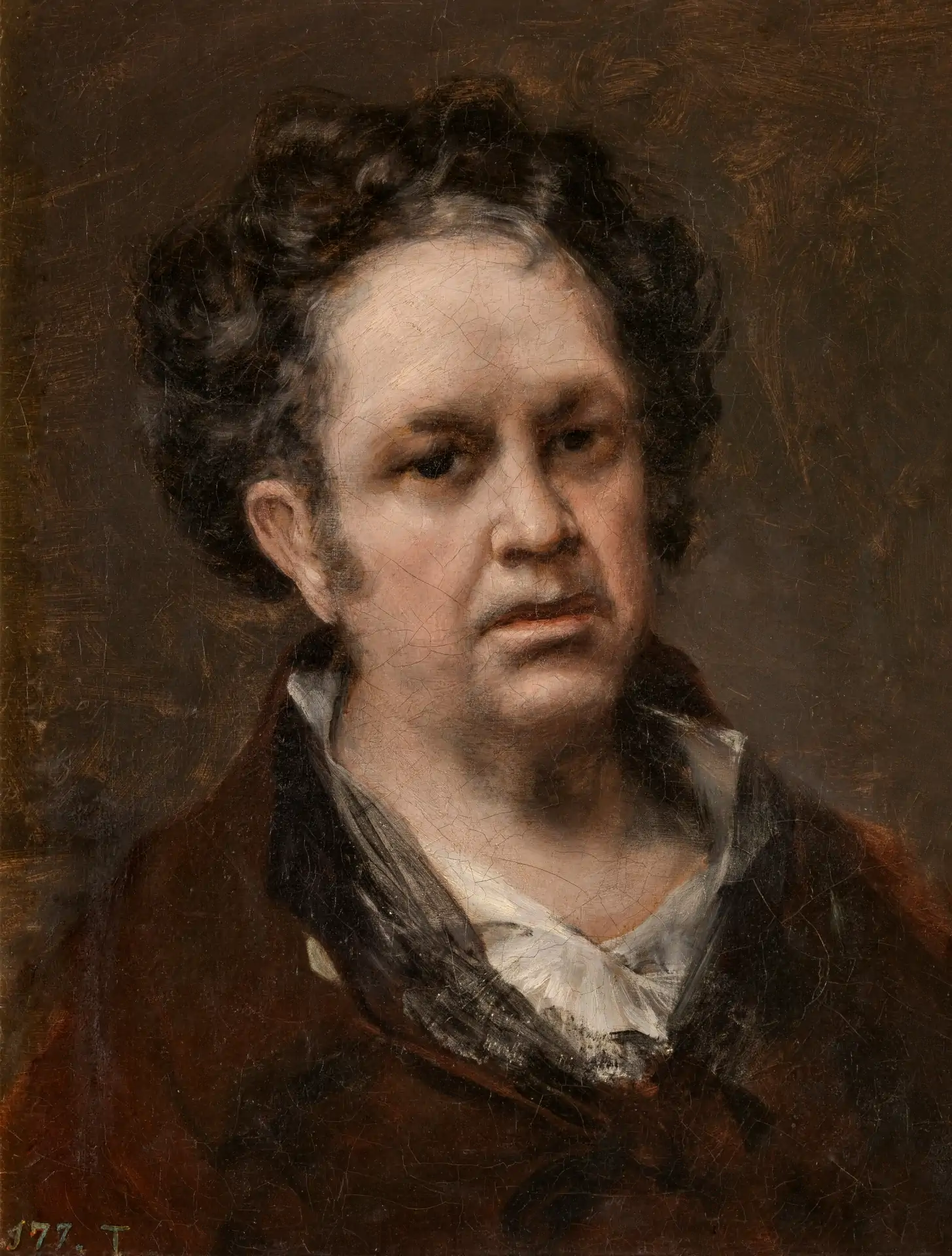
Self-Portrait by Francisco de Goya, 1815. Sometimes artist self-portraits are their best work (see Rembrandt)... as for Goya, this is one of his few paintings that interest me. To me most of them are pedestrian at best and his draftsmanship not exactly world-class... I don't get what people see in them. Now, once he went deaf and a little crazy, things got interesting: see his Caprices and Disasters of War.
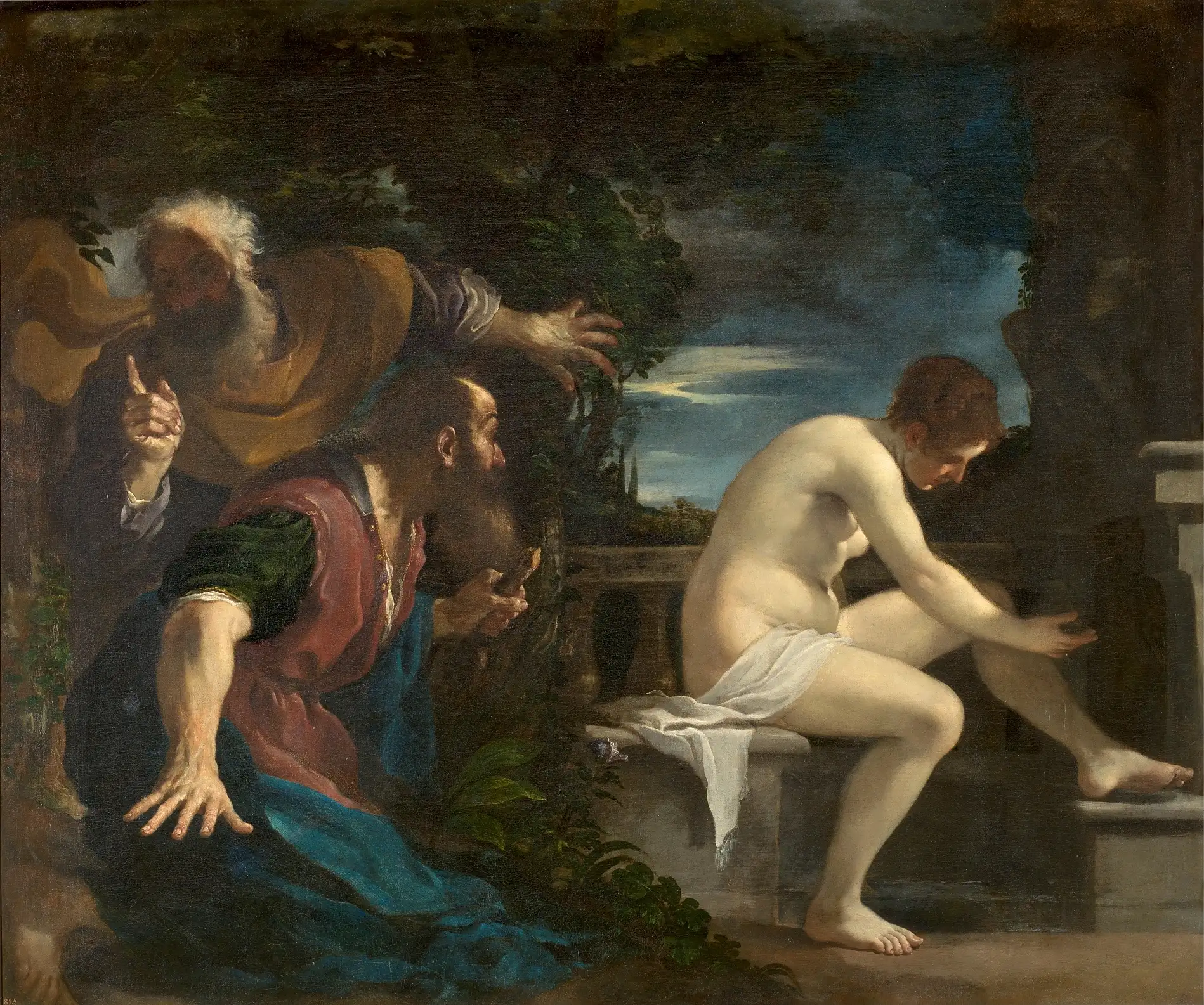
Susannah and the Elders by Guercino, 1617.
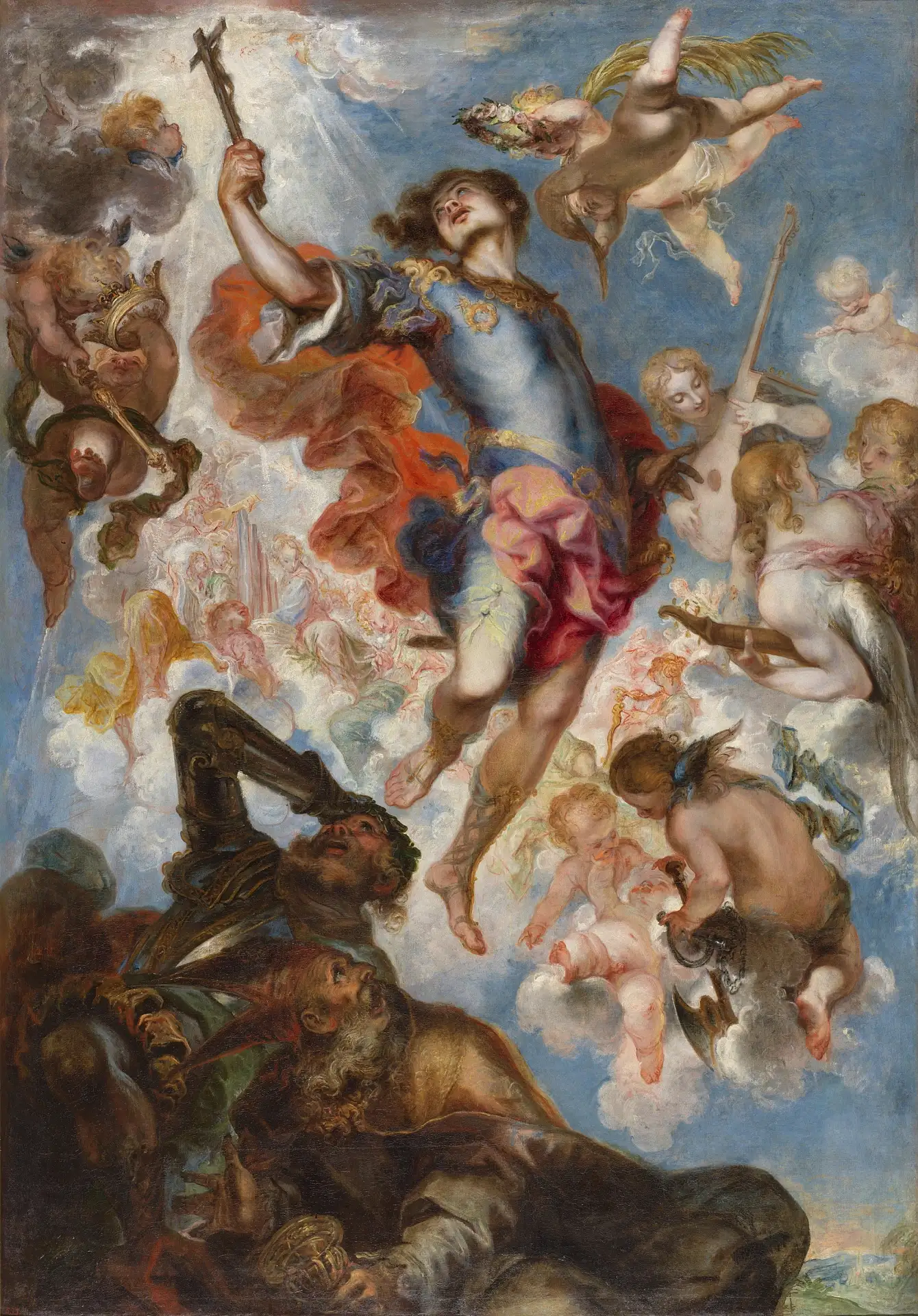
The Triumph of Saint Hermenegild by Francisco de Herrera the Younger, 1654.
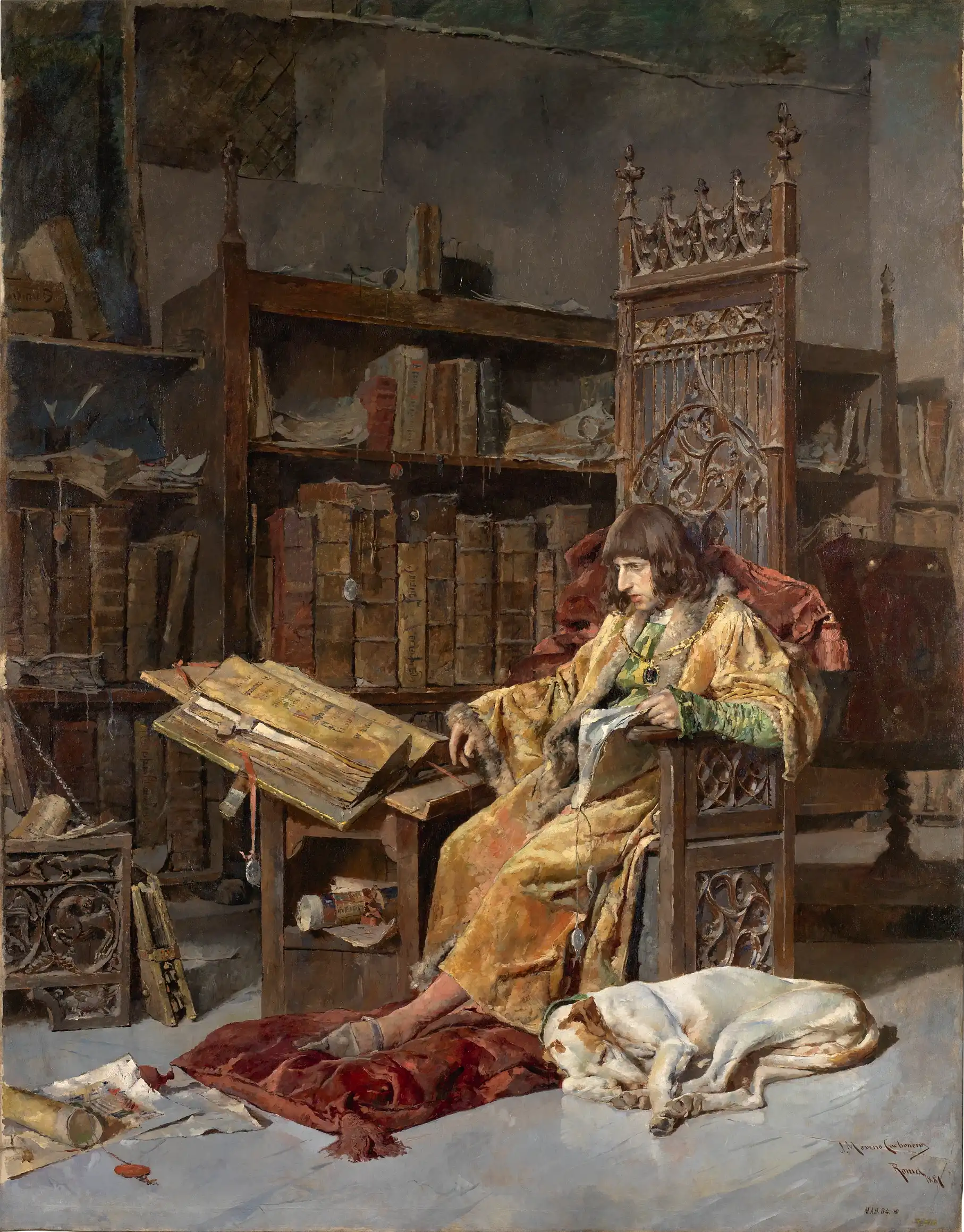
Prince Carlos de Viana by José Moreno Carbonero, 1881. Love this one - his pose and expression are amazingly evocative, the lighting and composition fantastic, and the brushwork is bravura. John Singer Sargent would loved to have acheived this kind of gravity.
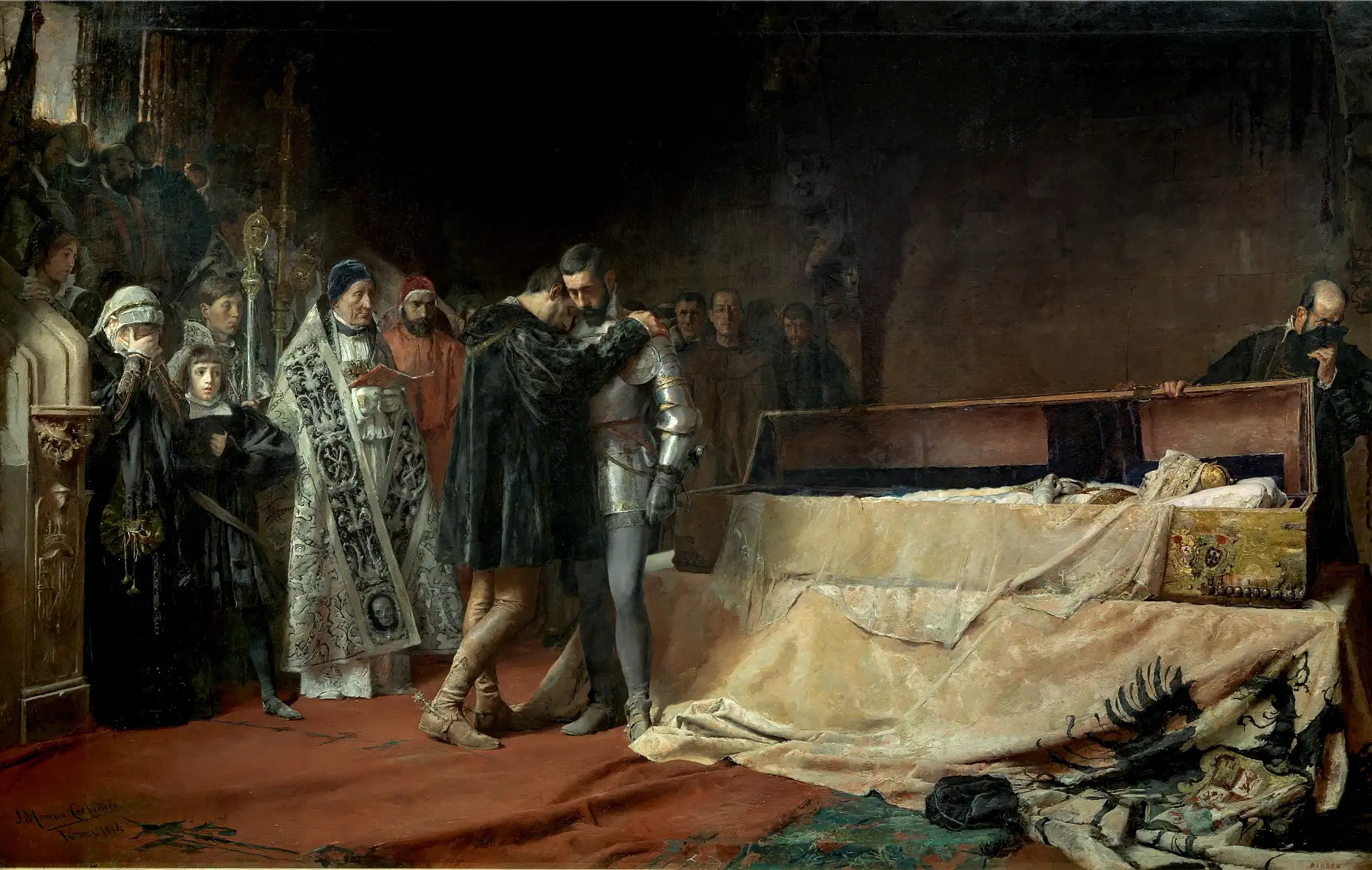
The Conversion of the Duke of Gandía by José Moreno Carbonero, 1884. Ditto.
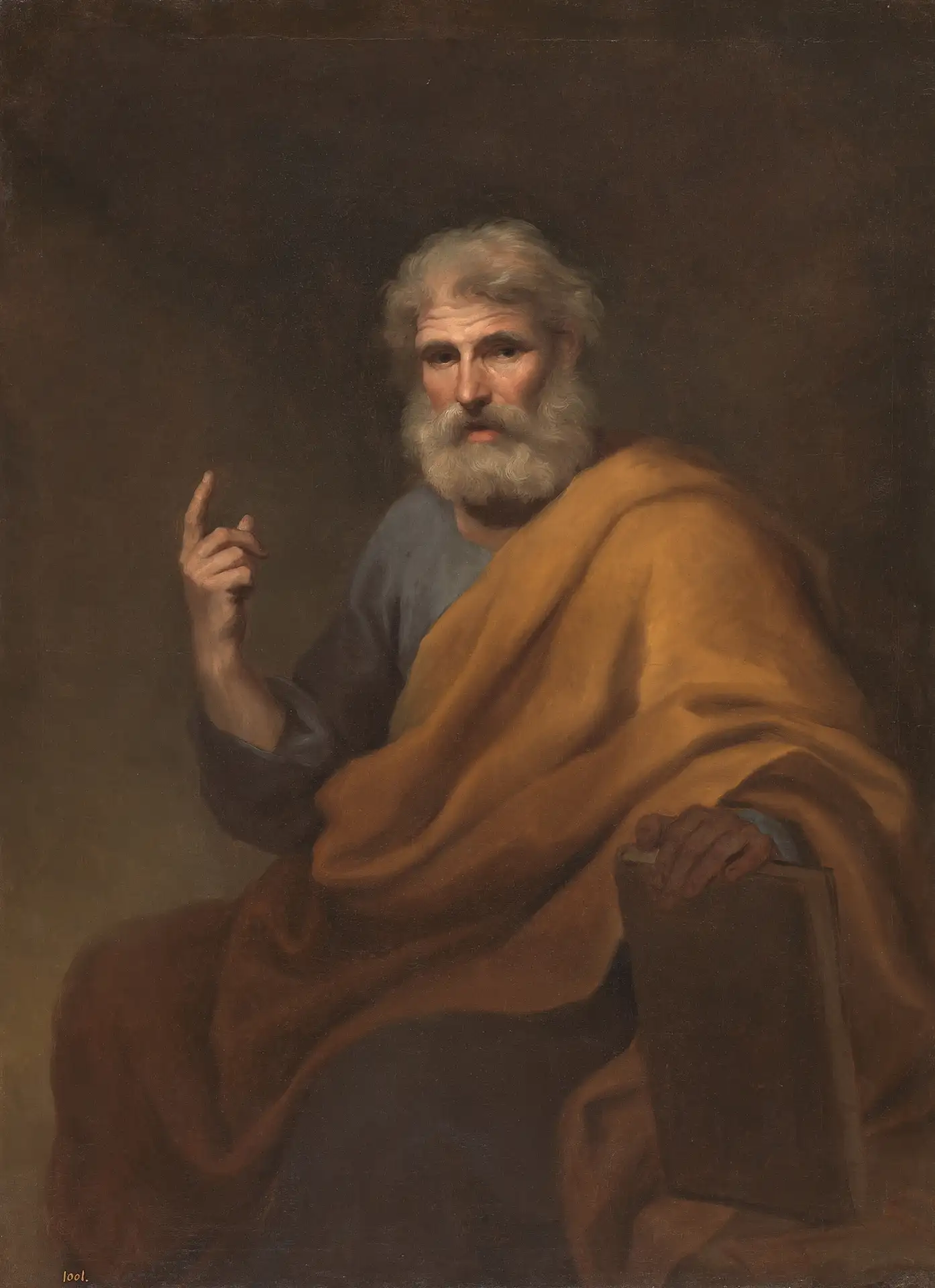
Saint Peter Preaching by Anton Raphael Mengs, circa 1761 - 1777.
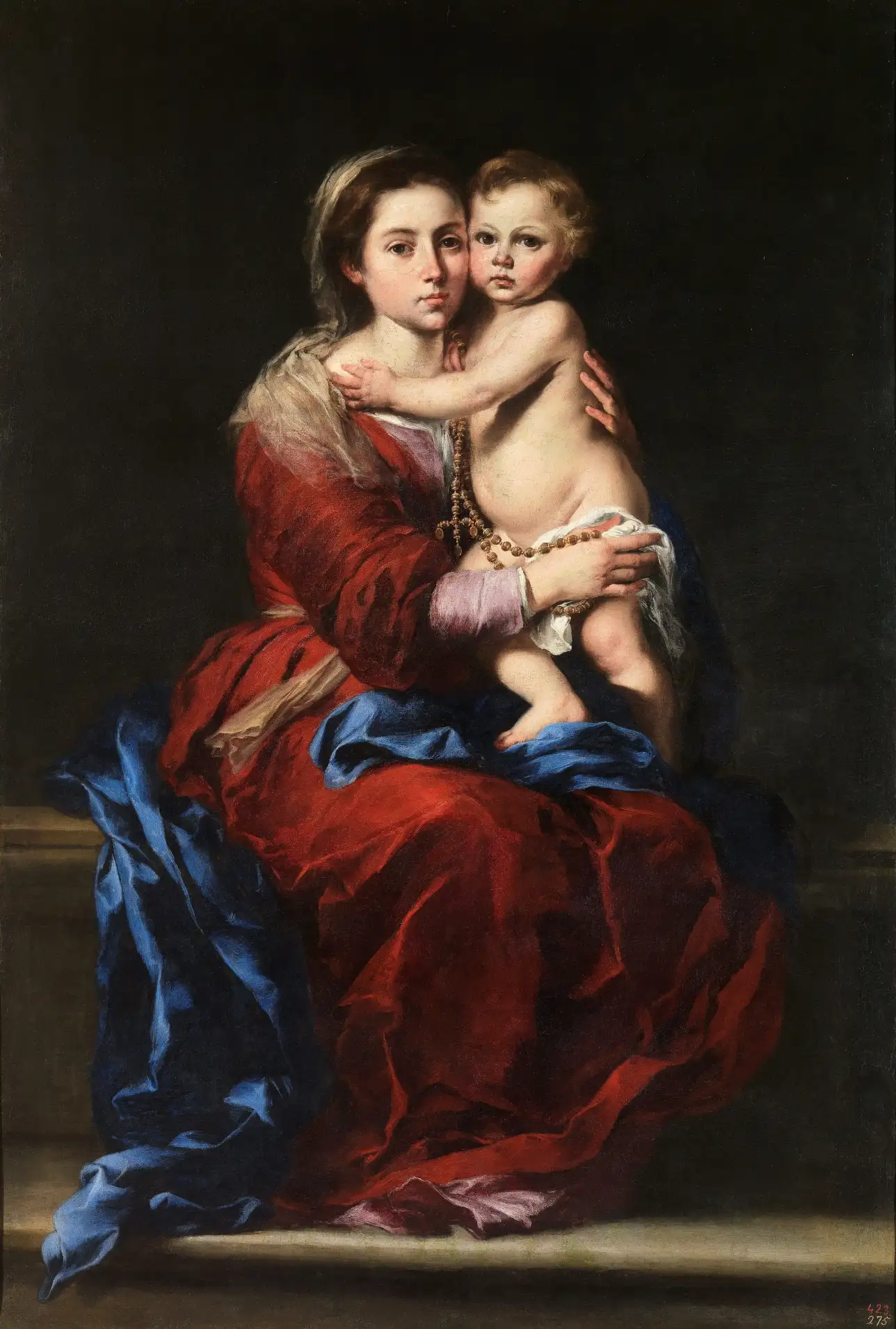
The Virgin of the Rosary by Bartolomé Esteban Murillo, circa 1650 - 1655.
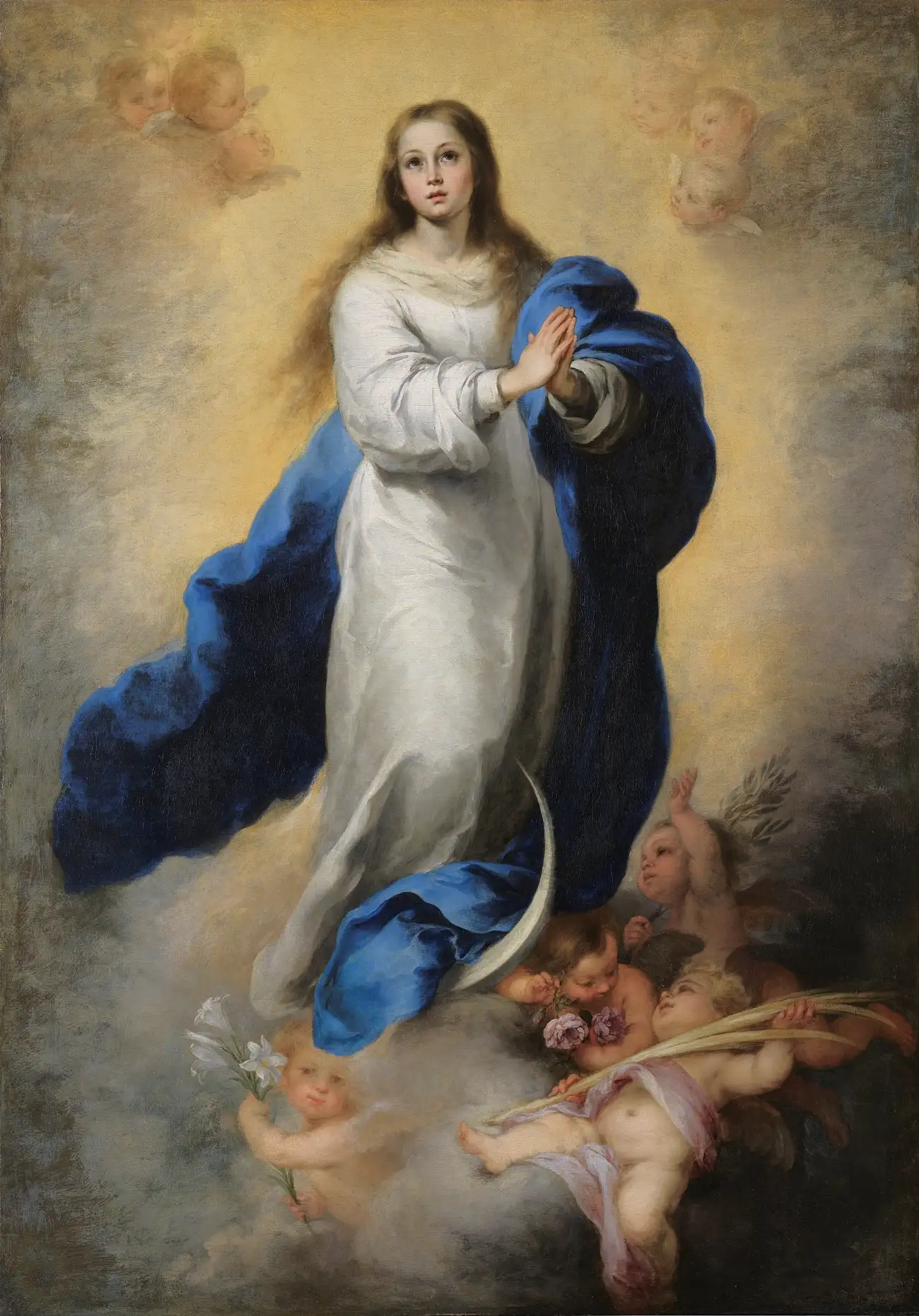
The Immaculate Conception of El Escorial by Bartolomé Esteban Murillo, circa 1665.
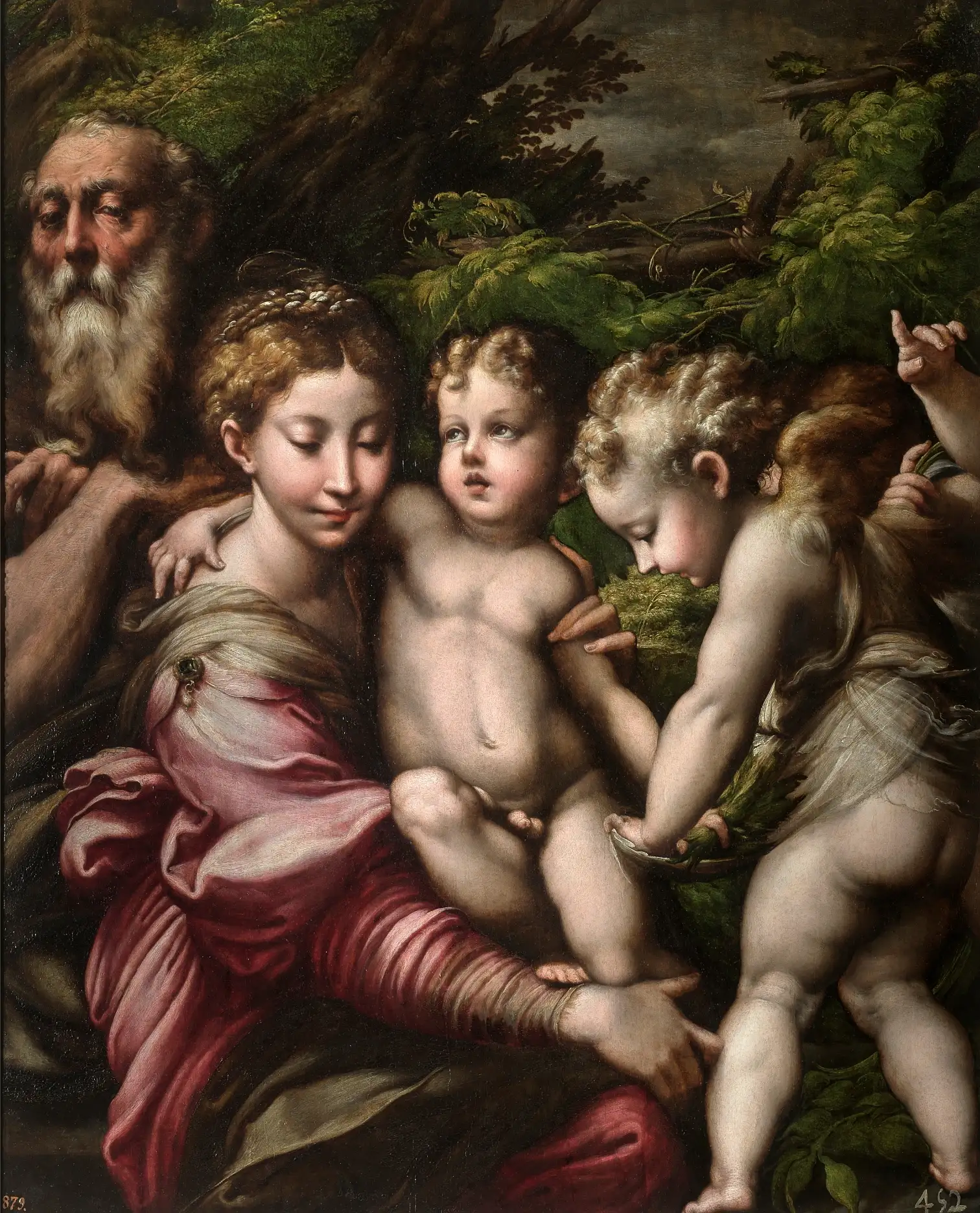
The Holy Family with Angels by Parmigianino, circa 1524. There's that classic Parmigianino head. If her neck wasn't foreshortened I bet it would be super long.
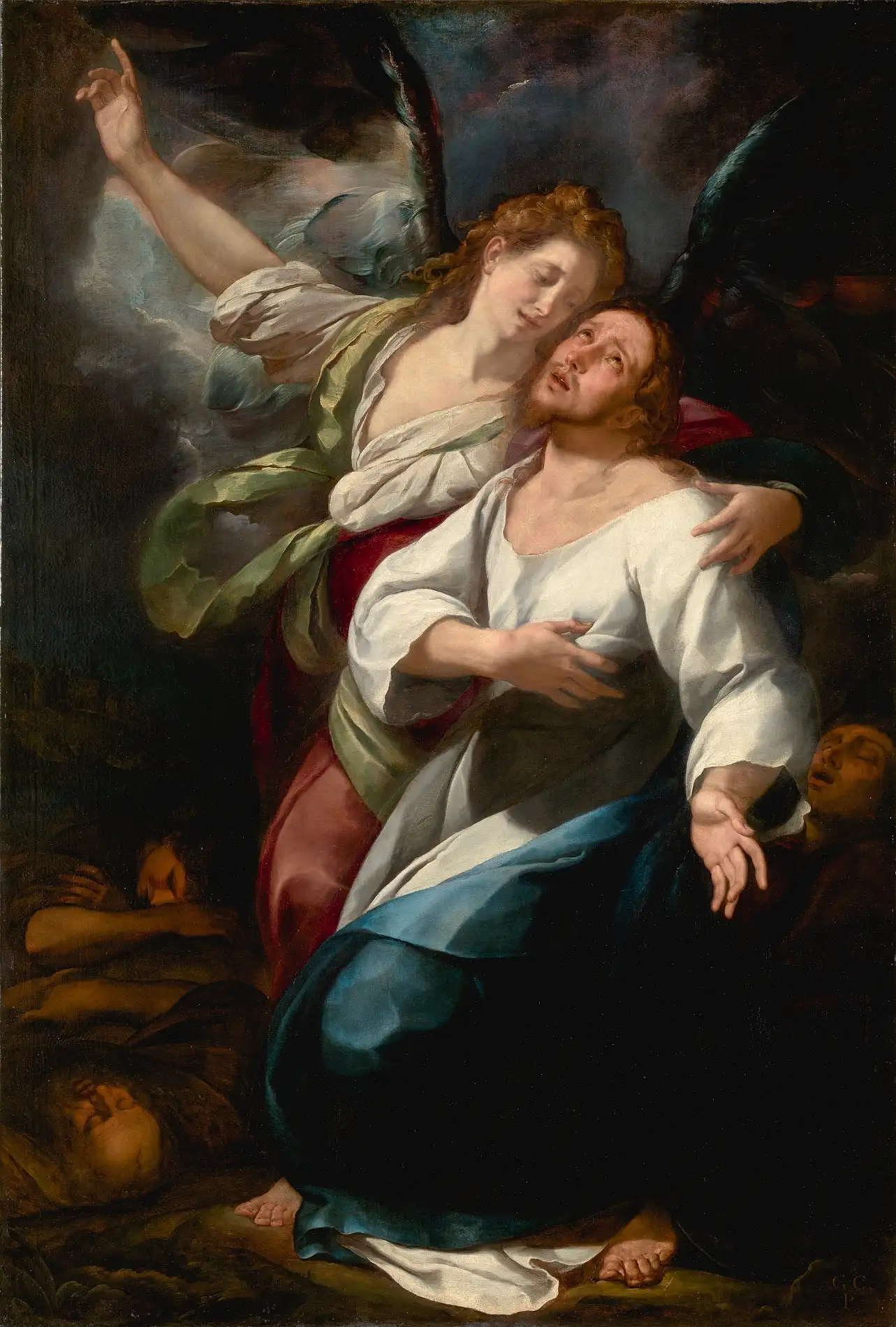
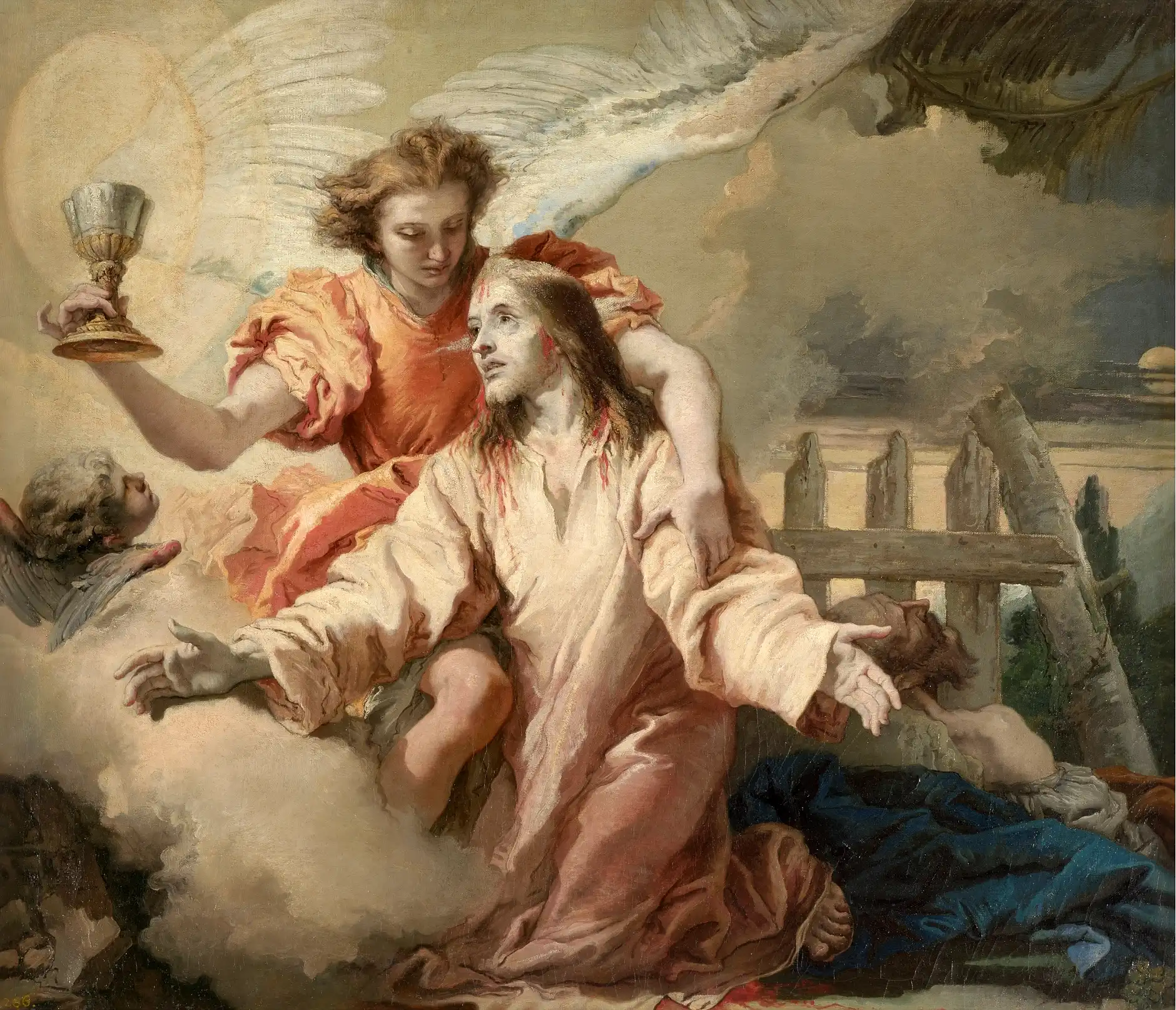
The Agony in the Garden by Giulio Procaccini, circa 1616 - 1620.
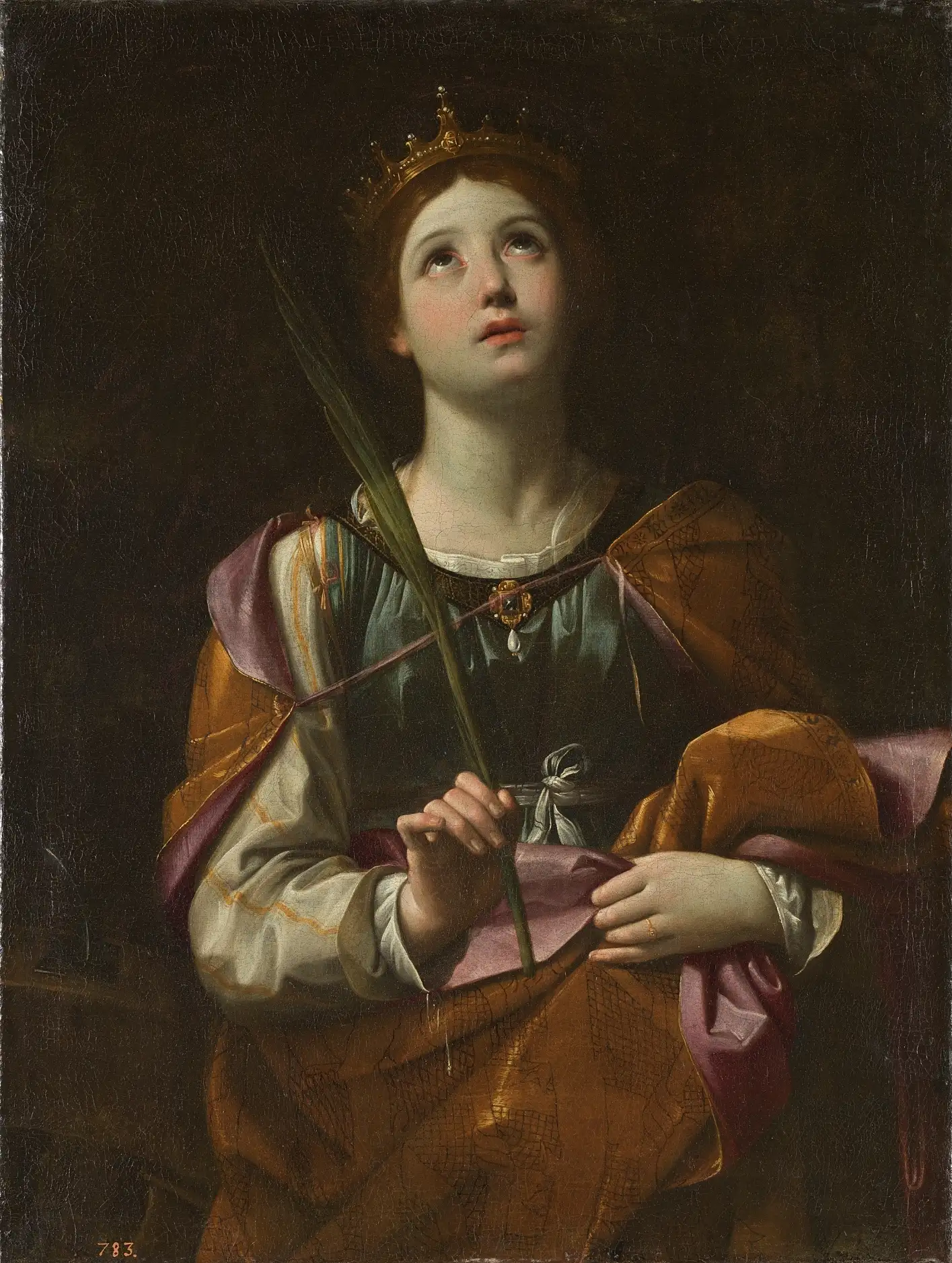
Saint Catherine of Alexandria by Guido Reni, 1606.
Saint Peter by Guido Reni, 1633 - 1634.
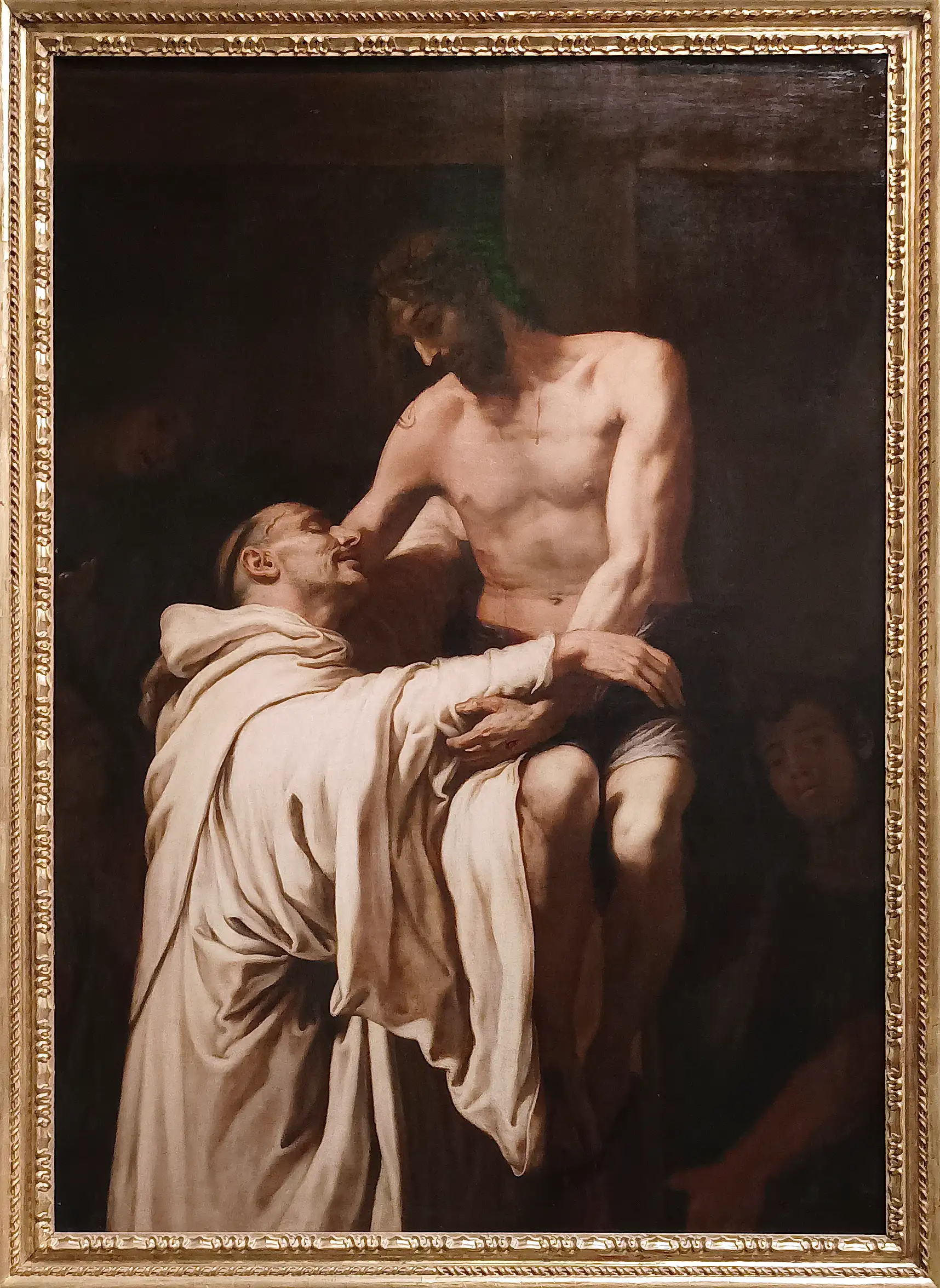
Christ Embracing Saint Bernard by Francisco Ribalta, 1625 - 1627.
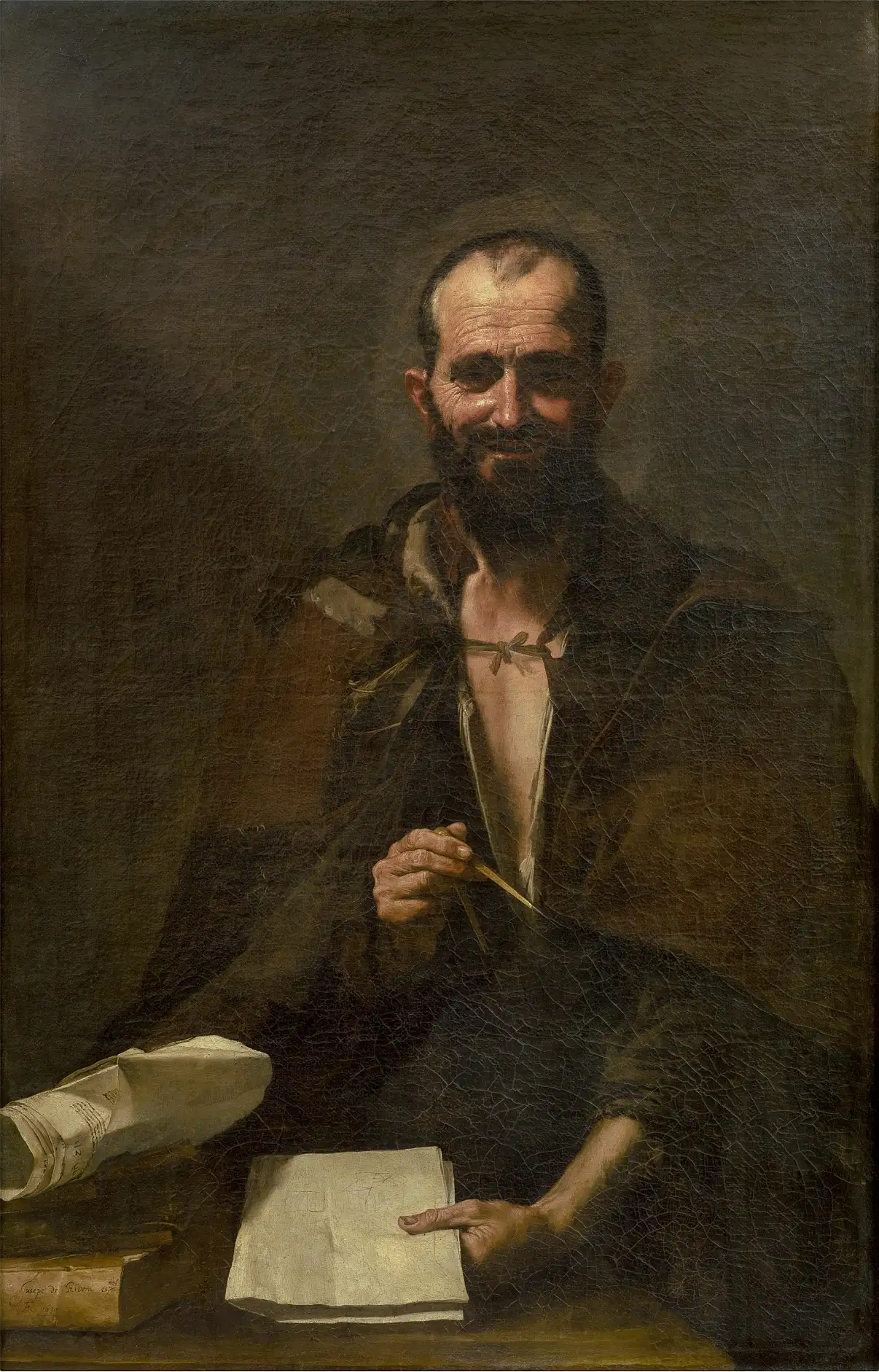
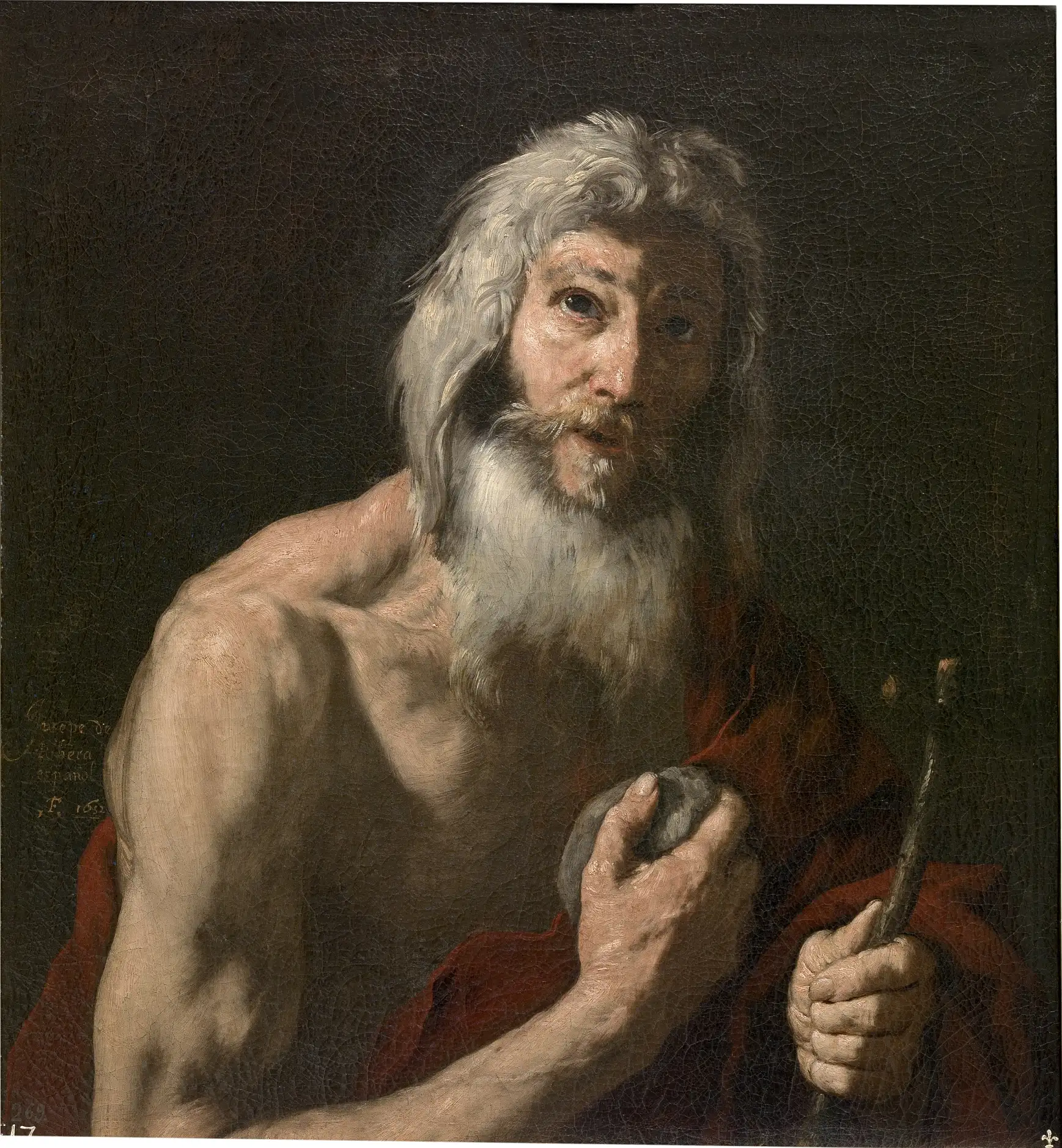
Democritus by Jusepe de Ribera, 1630. The man, the legend. He worked in Italy basically his whole career and I saw a bunch of his stuff there, but it seems like Museo del Prado got the cream of the crop, including later works where he actually started using color! A must-see if you're a fan of his like I am.
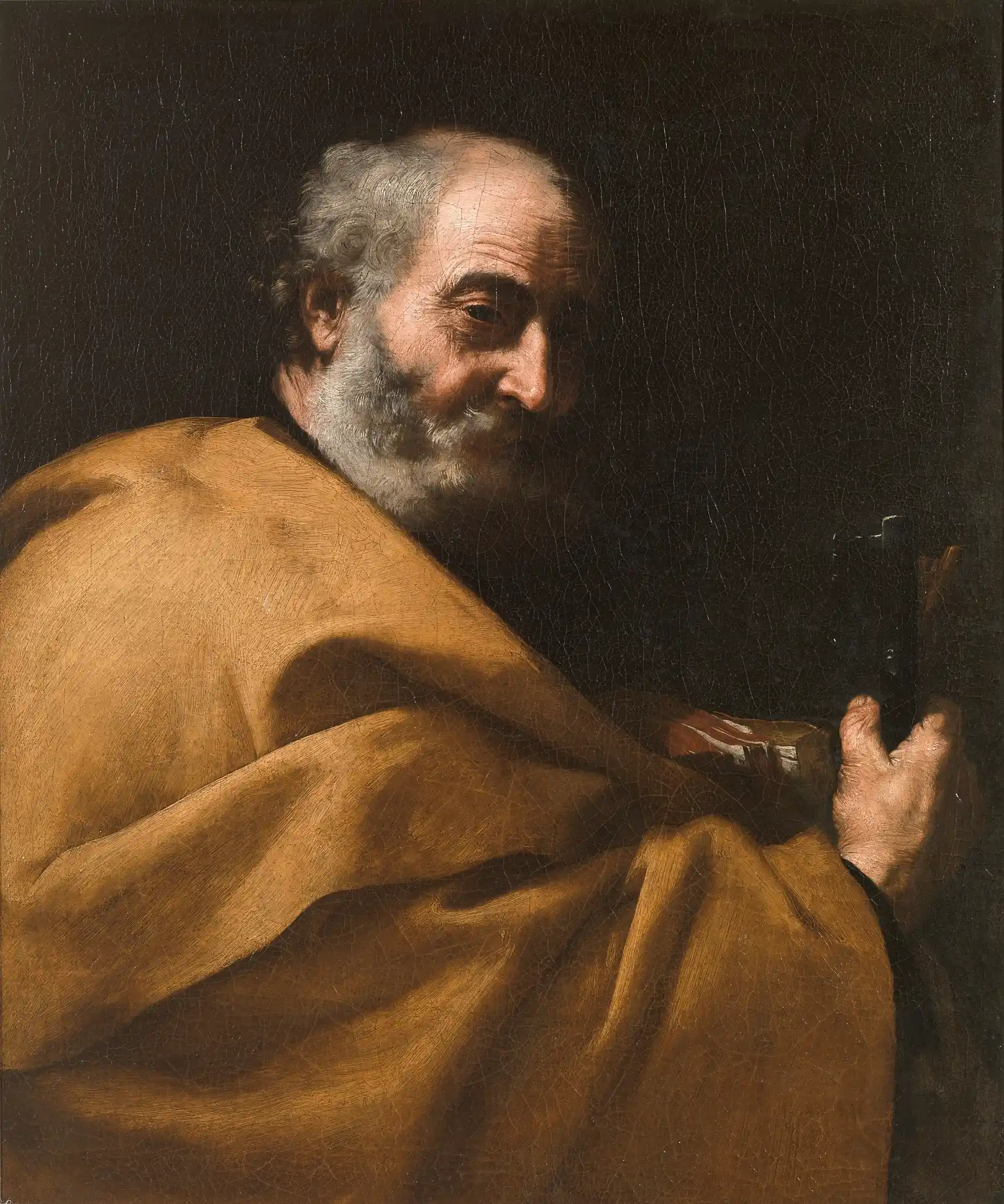
Saint Peter by Jusepe de Ribera, circa 1630.
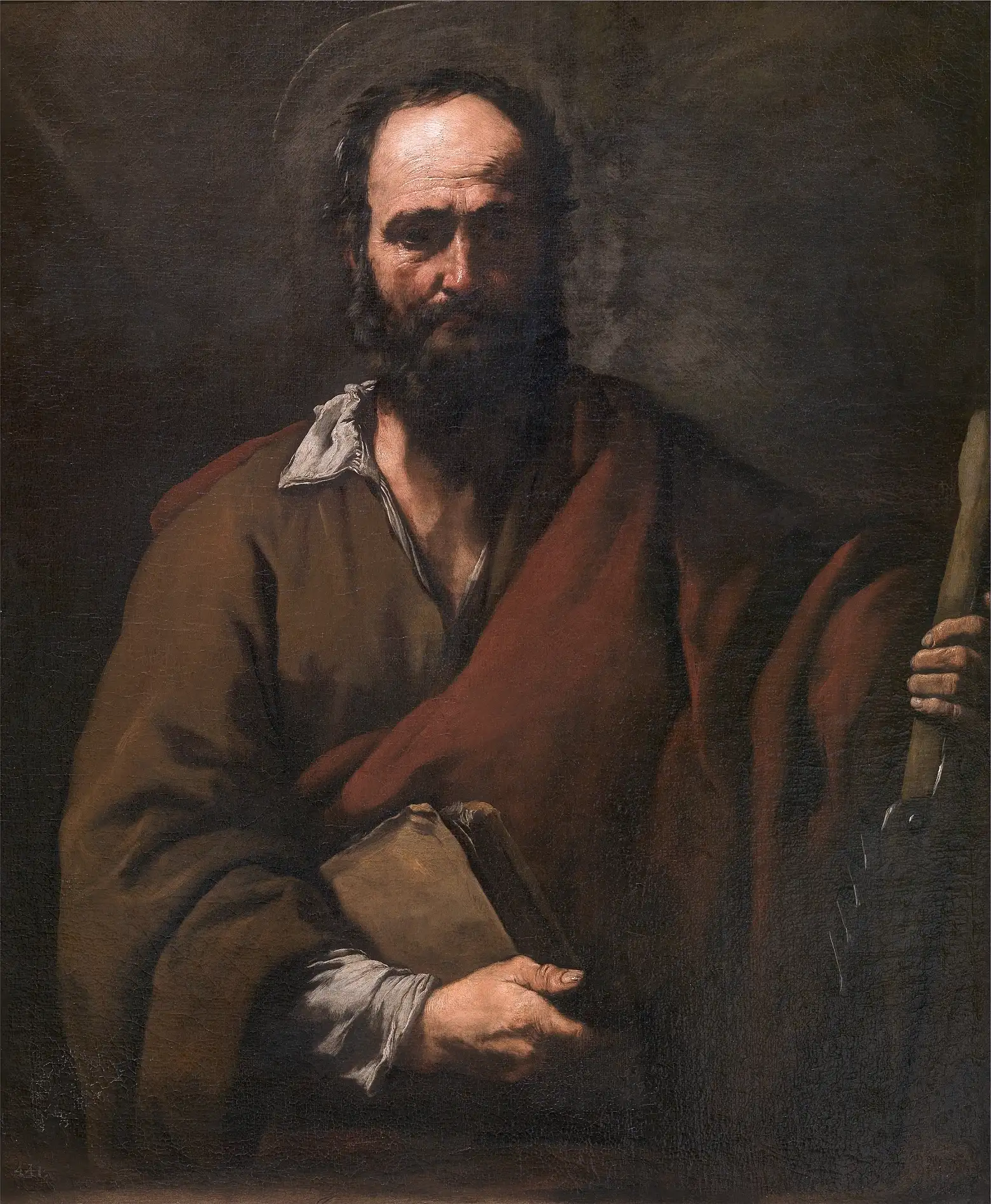
Saint Simon by Jusepe de Ribera, circa 1630.
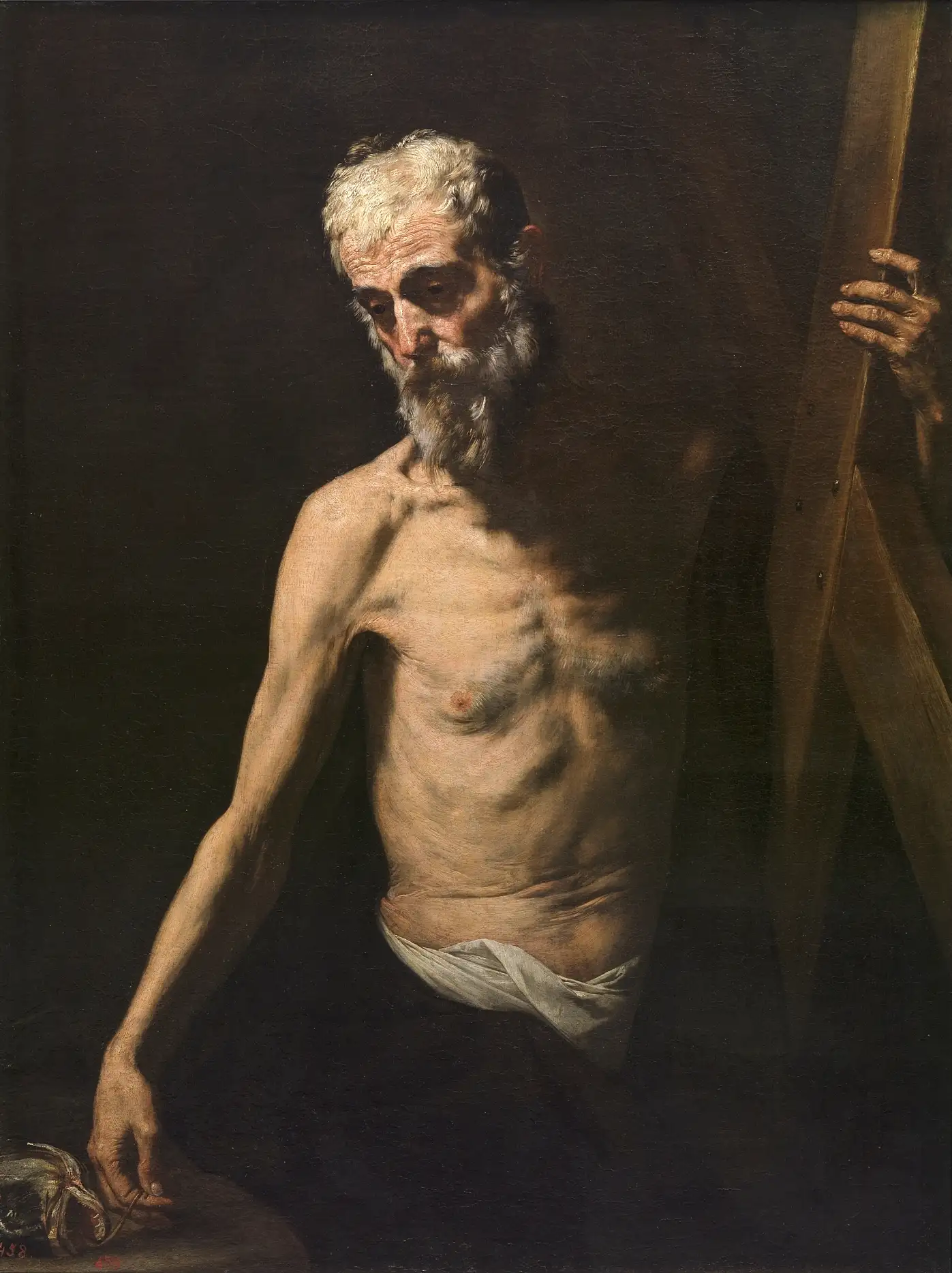
Saint Andrew by Jusepe de Ribera, 1631.
Saint Thomas by Jusepe de Ribera, 1630 - 1635.
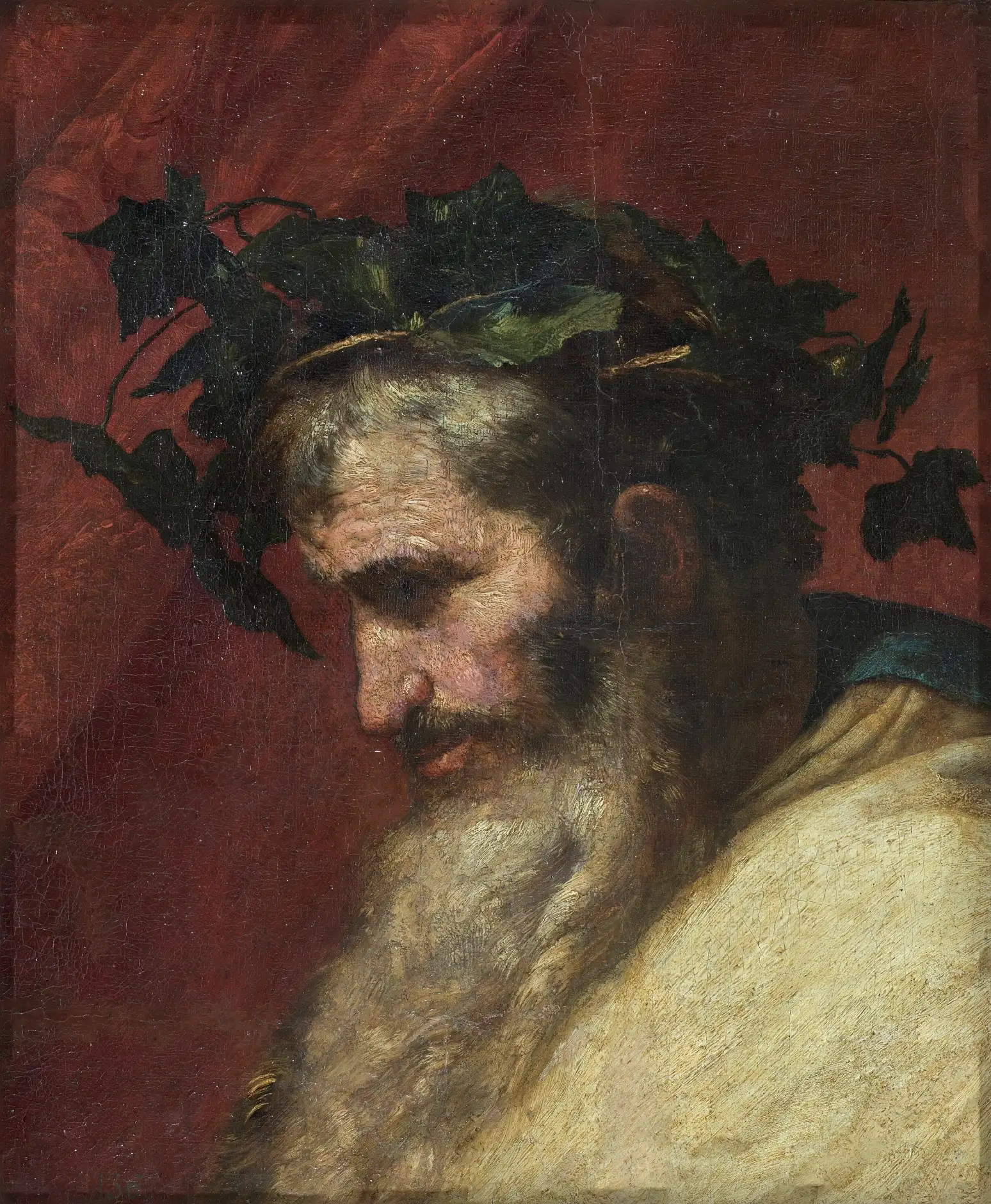
Detail of the Head of Bacchus by Jusepe de Ribera, 1636.
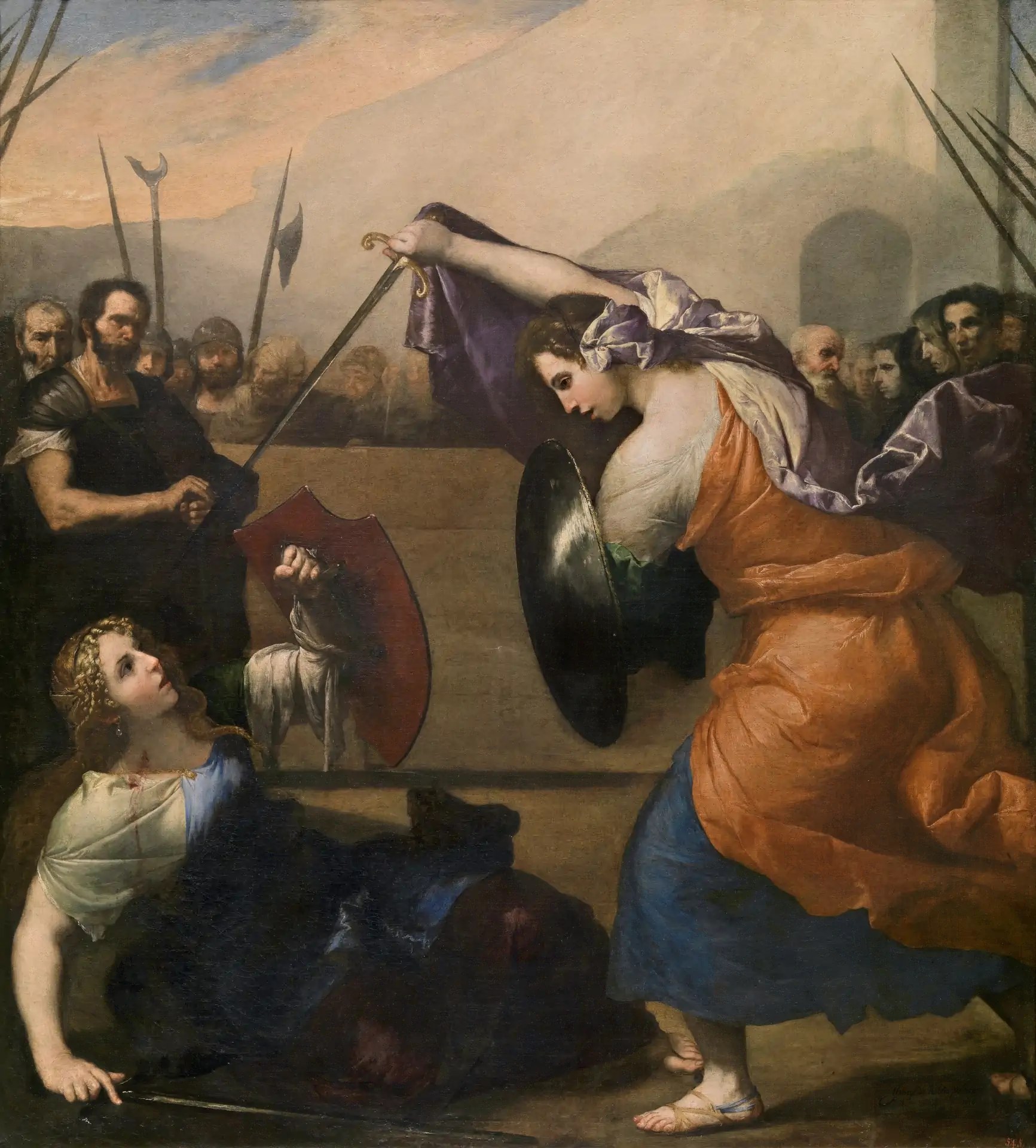
Women Gladiators by Jusepe de Ribera, 1636.
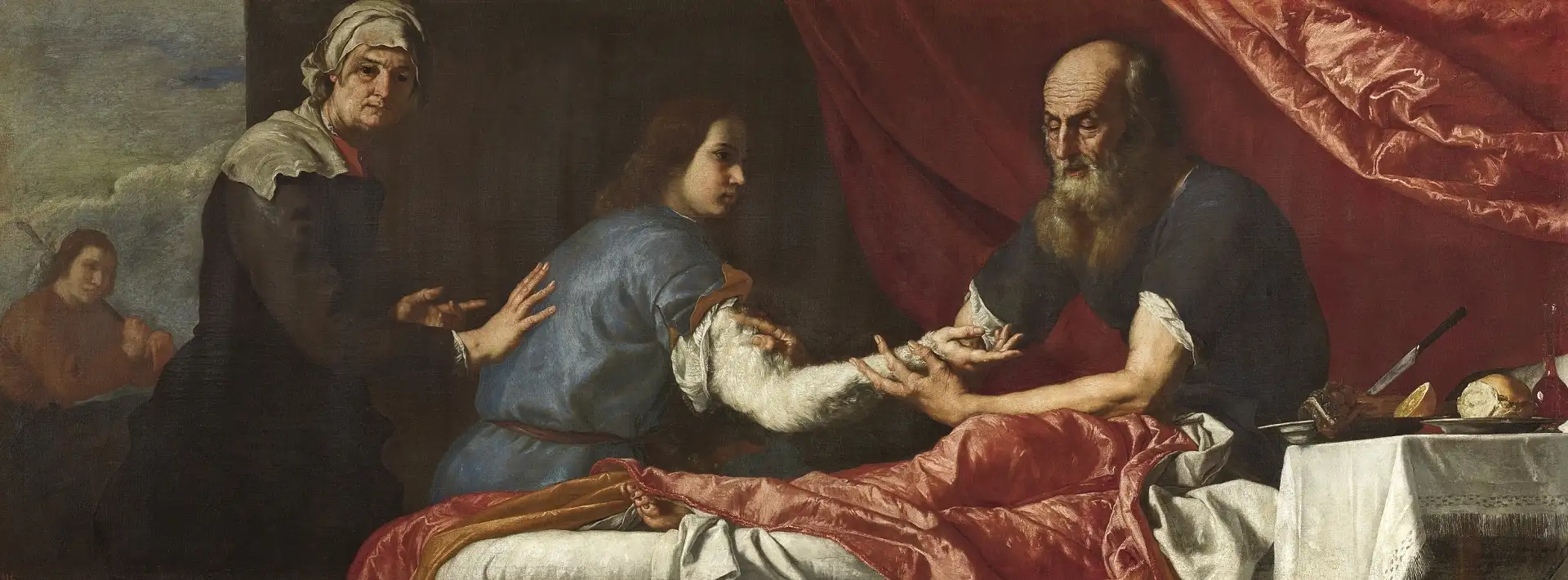
Isaac and Jacob by Jusepe de Ribera, 1637.
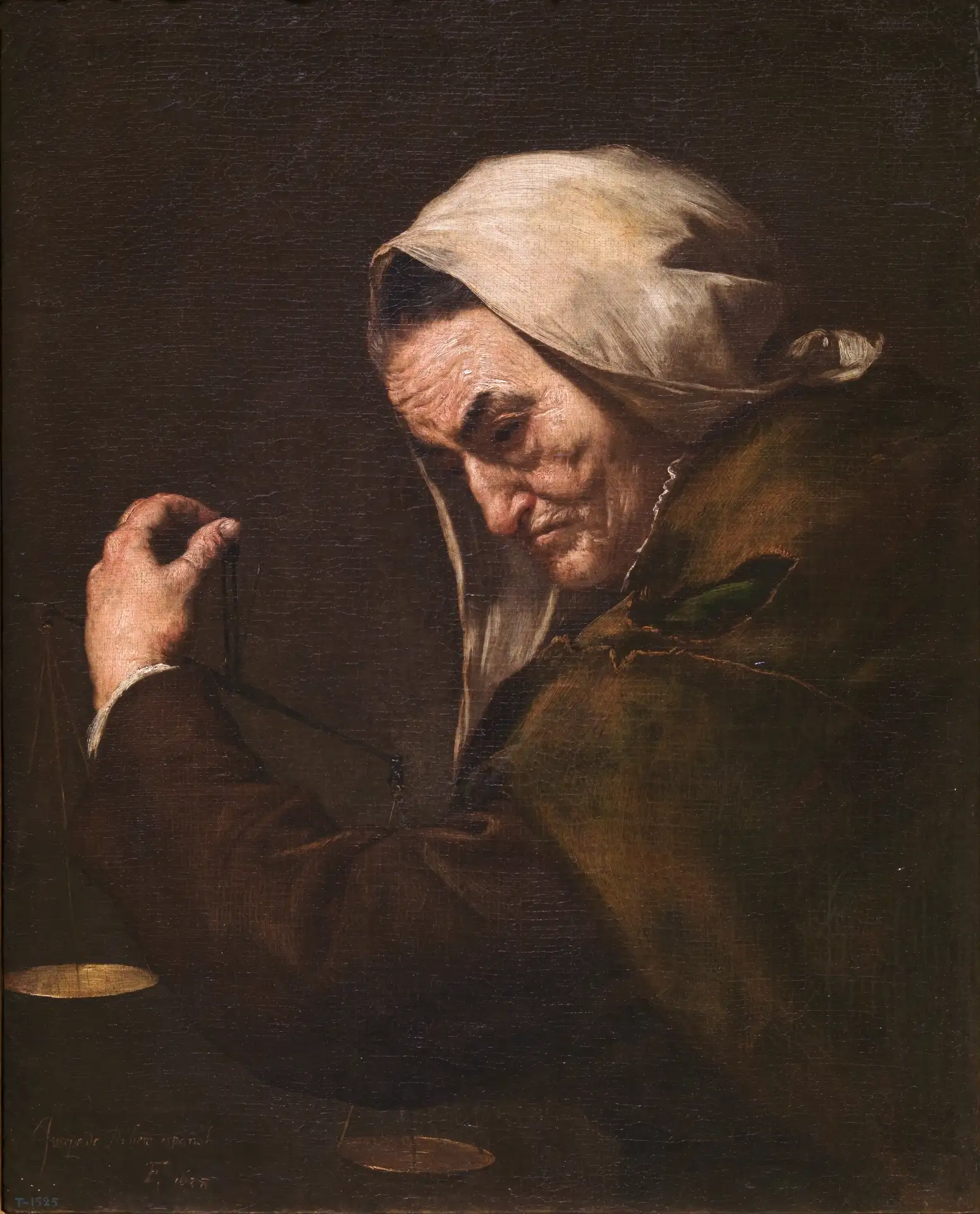
The Old Usurer by Jusepe de Ribera, 1638.
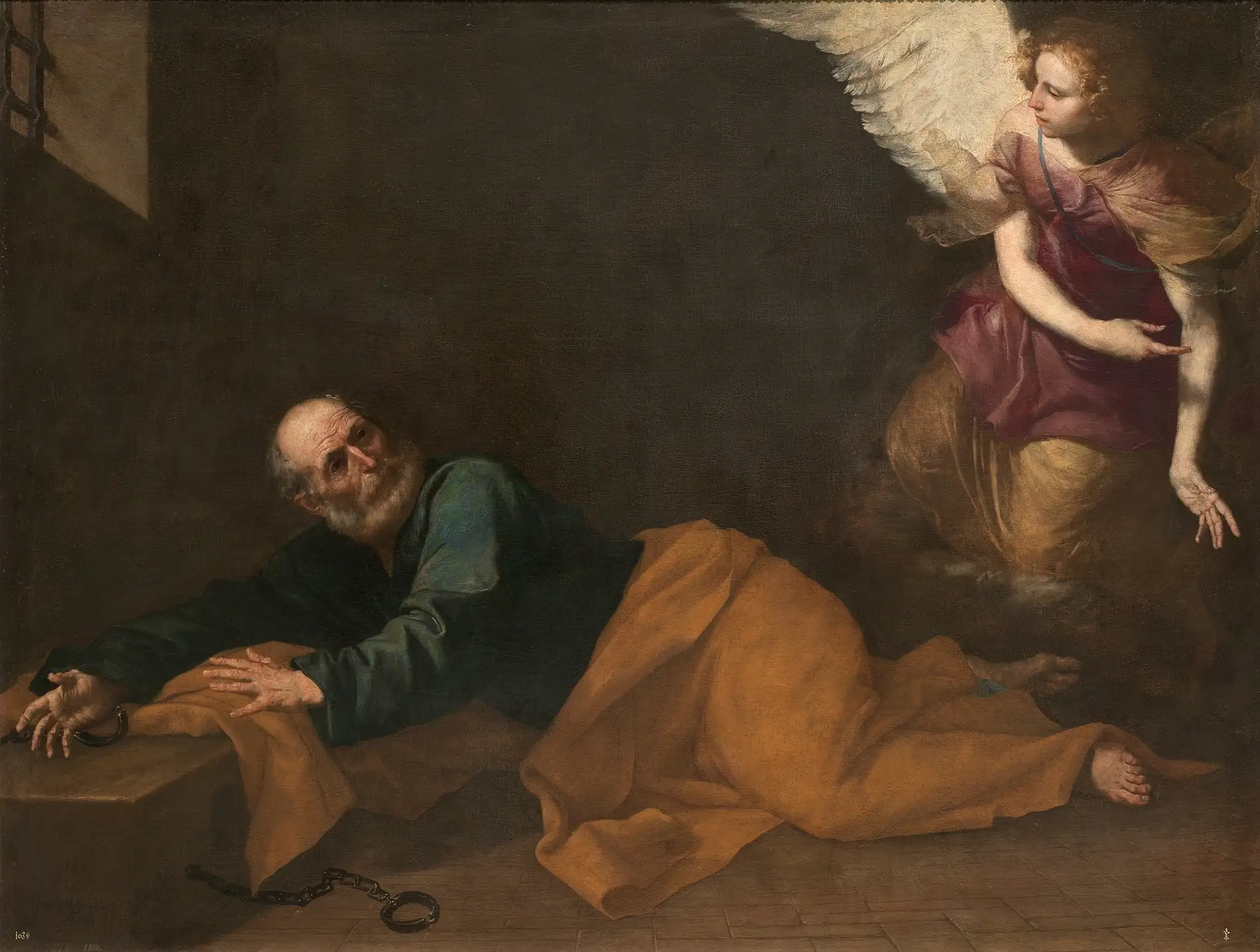
The Liberation of Saint Peter by Jusepe de Ribera, 1639.
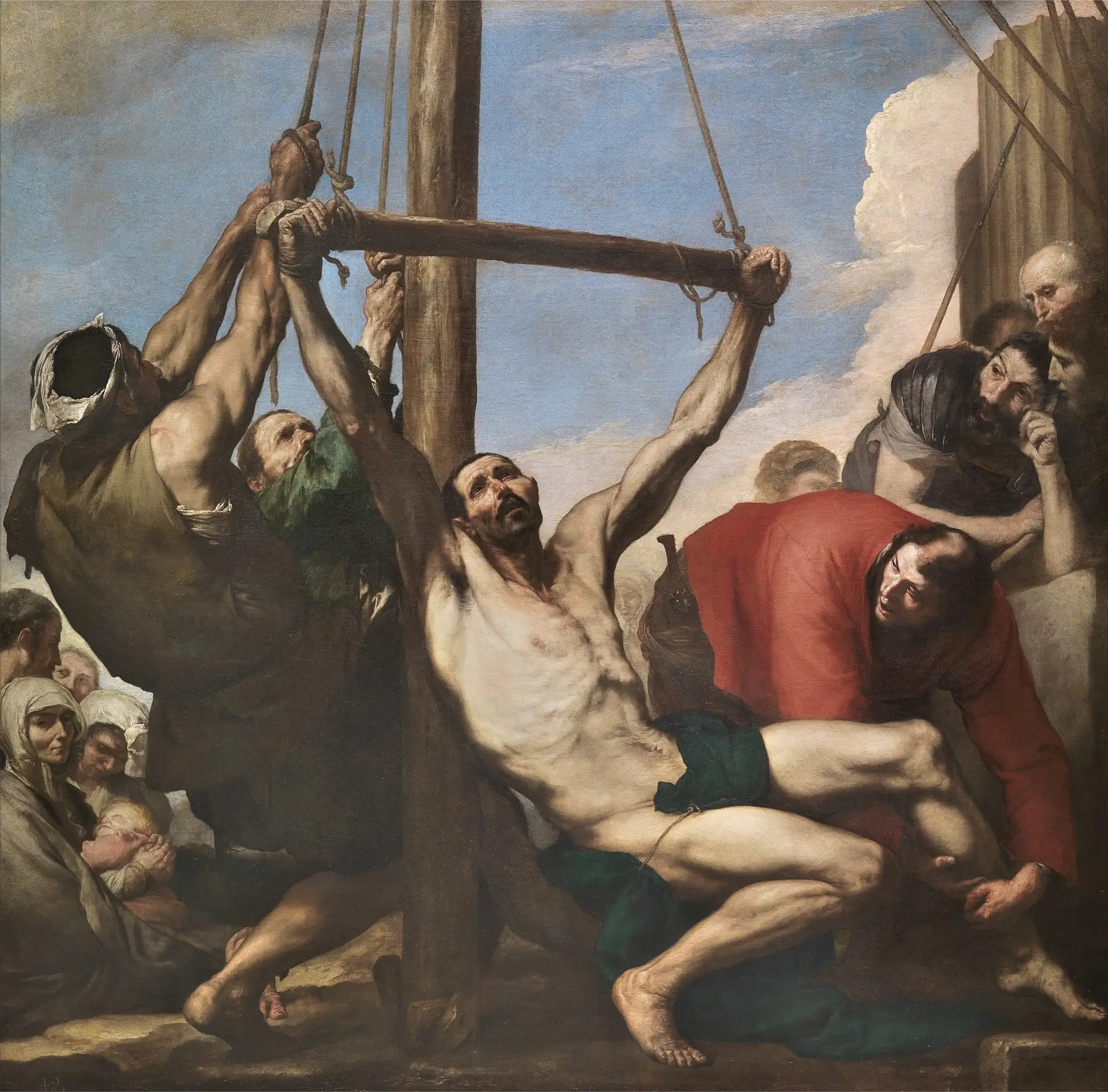
The Martyrdom of Saint Philip by Jusepe de Ribera, 1639.
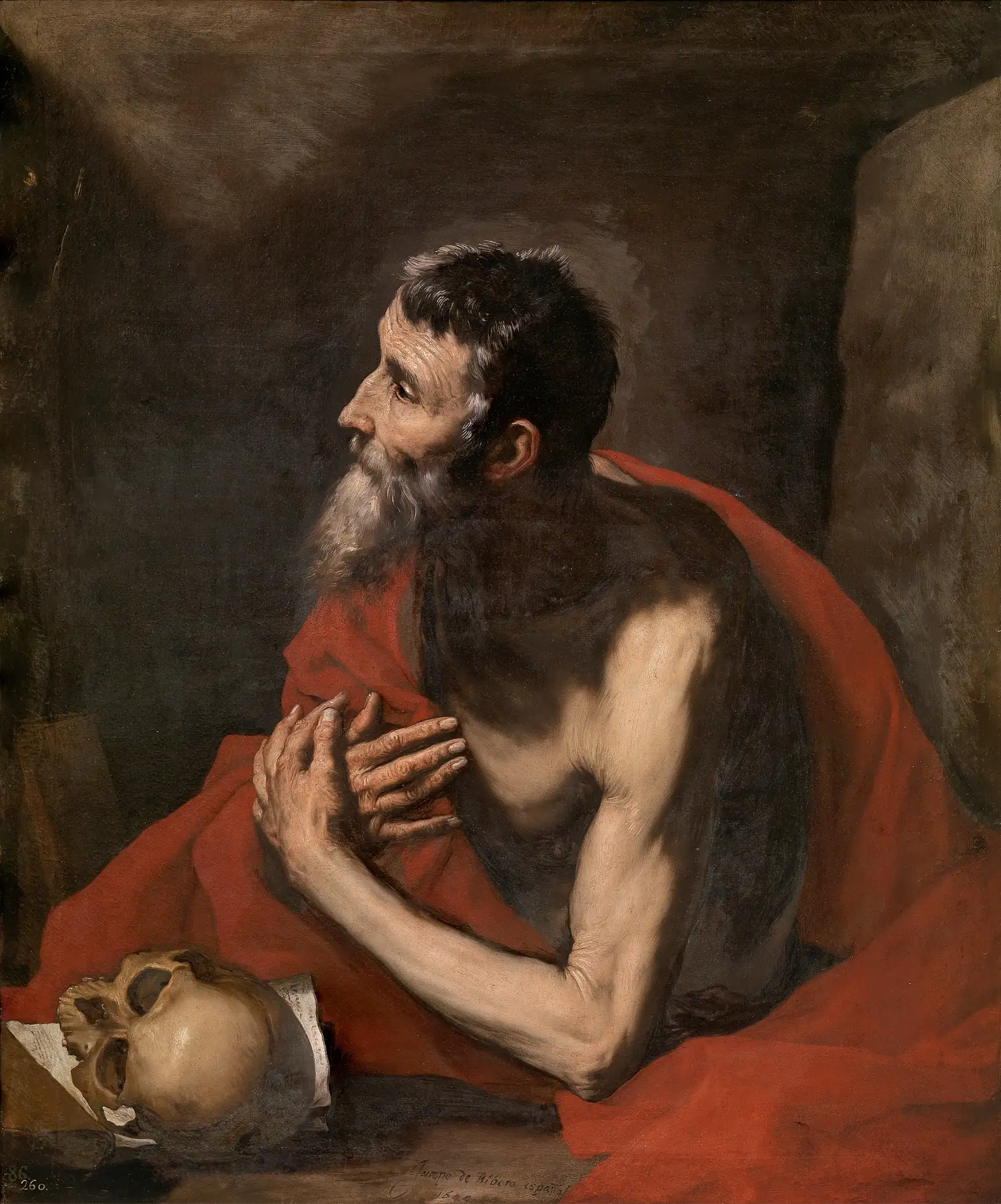
Saint Jerome by Jusepe de Ribera, 1644.
The Penitent Saint Jerome by Jusepe de Ribera, 1652.
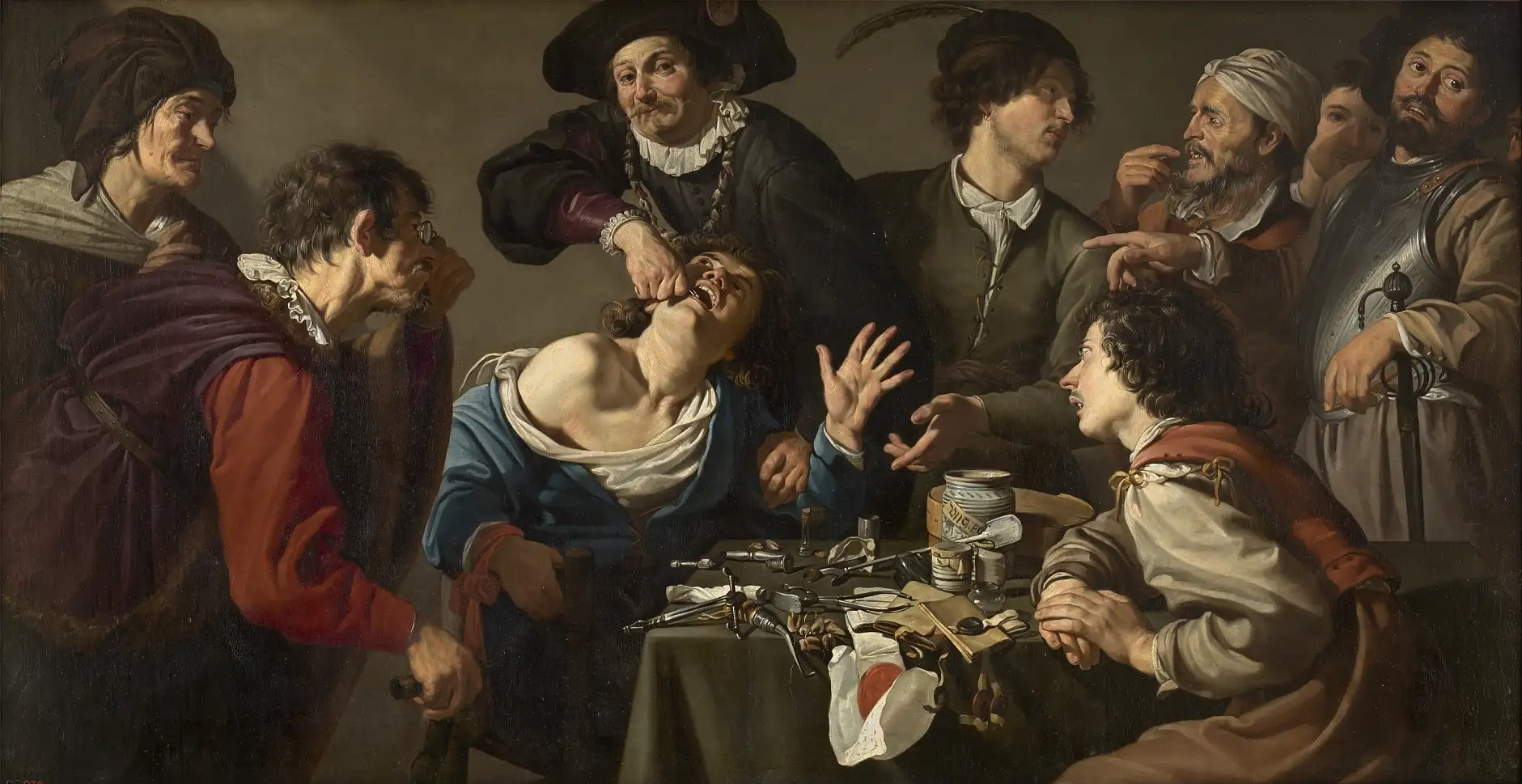
The Tooth-Puller by Theodoor Rombouts, 1620 - 1625. What passed for dentistry back then...
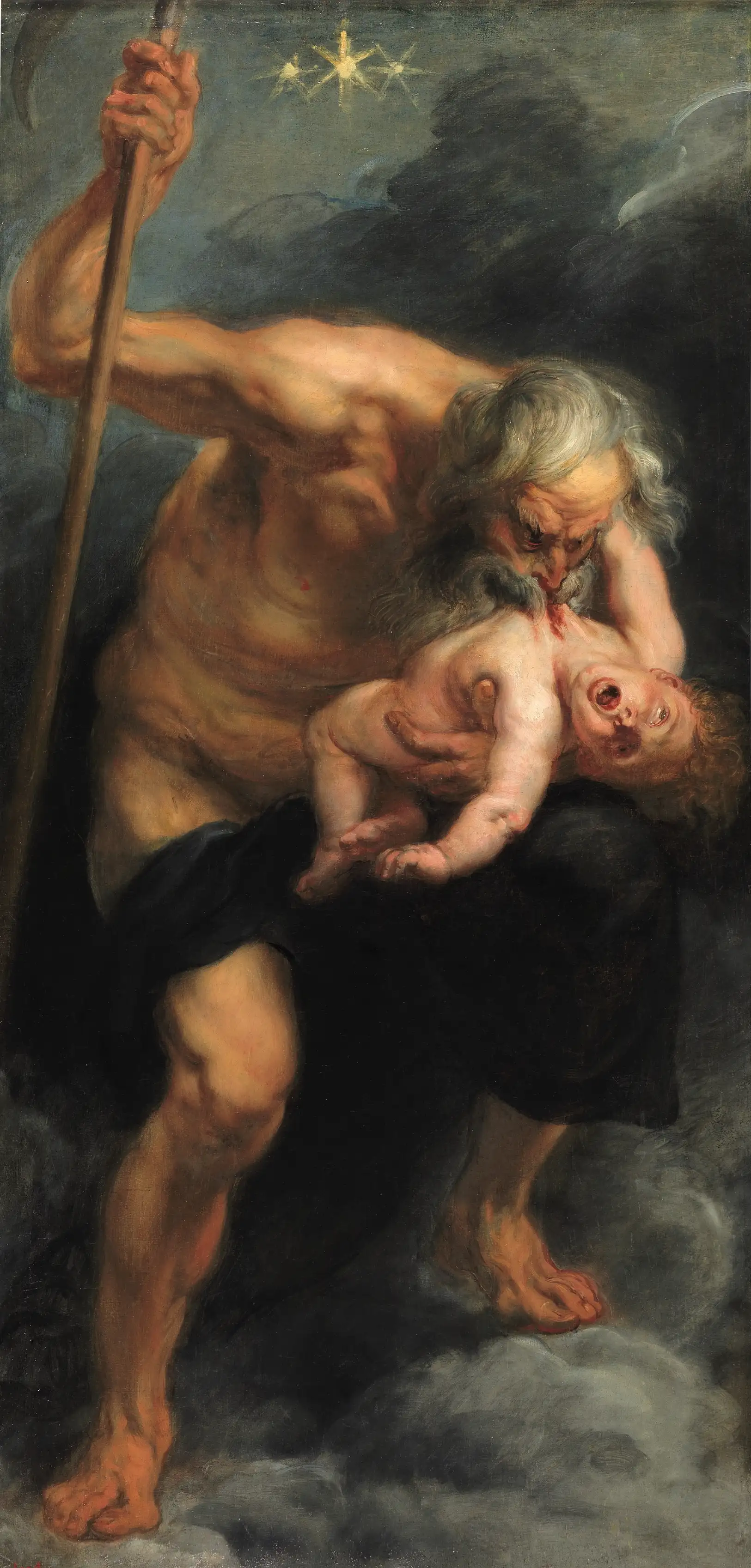
Saturn Devouring a Son by Peter Paul Rubens, 1636 - 1638. If you're a fan of Rubens, del Prado should be on your bucket list - there's a whole room full of his works. I like a few of his things but overall he's not my cup of tea.
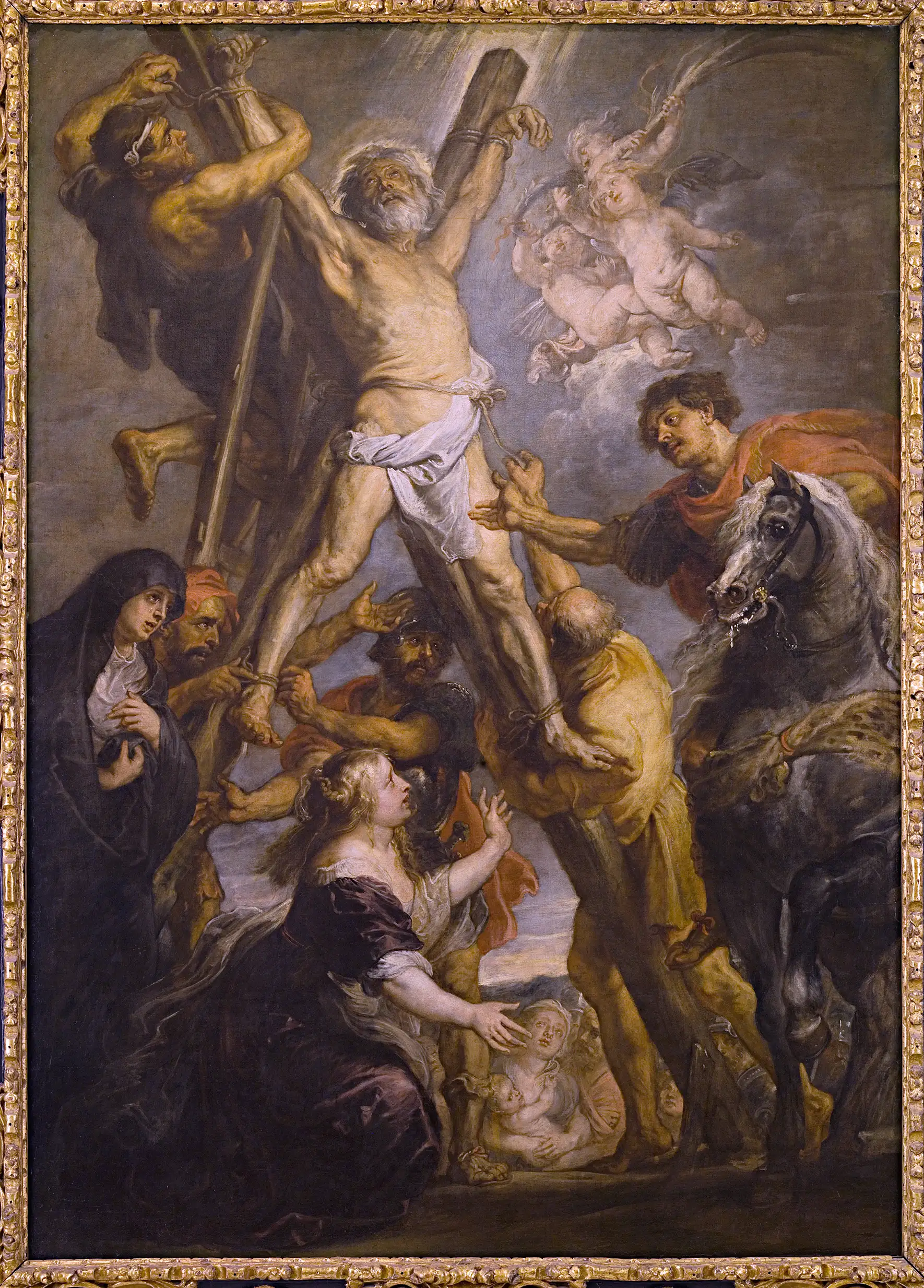
The Martyrdom of the Apostle Saint Andrew by Peter Paul Rubens, 1639. Photo by José Baztán, from Wikipedia. This is on display in the museum but it's not on their web site yet because it was recently acquired.
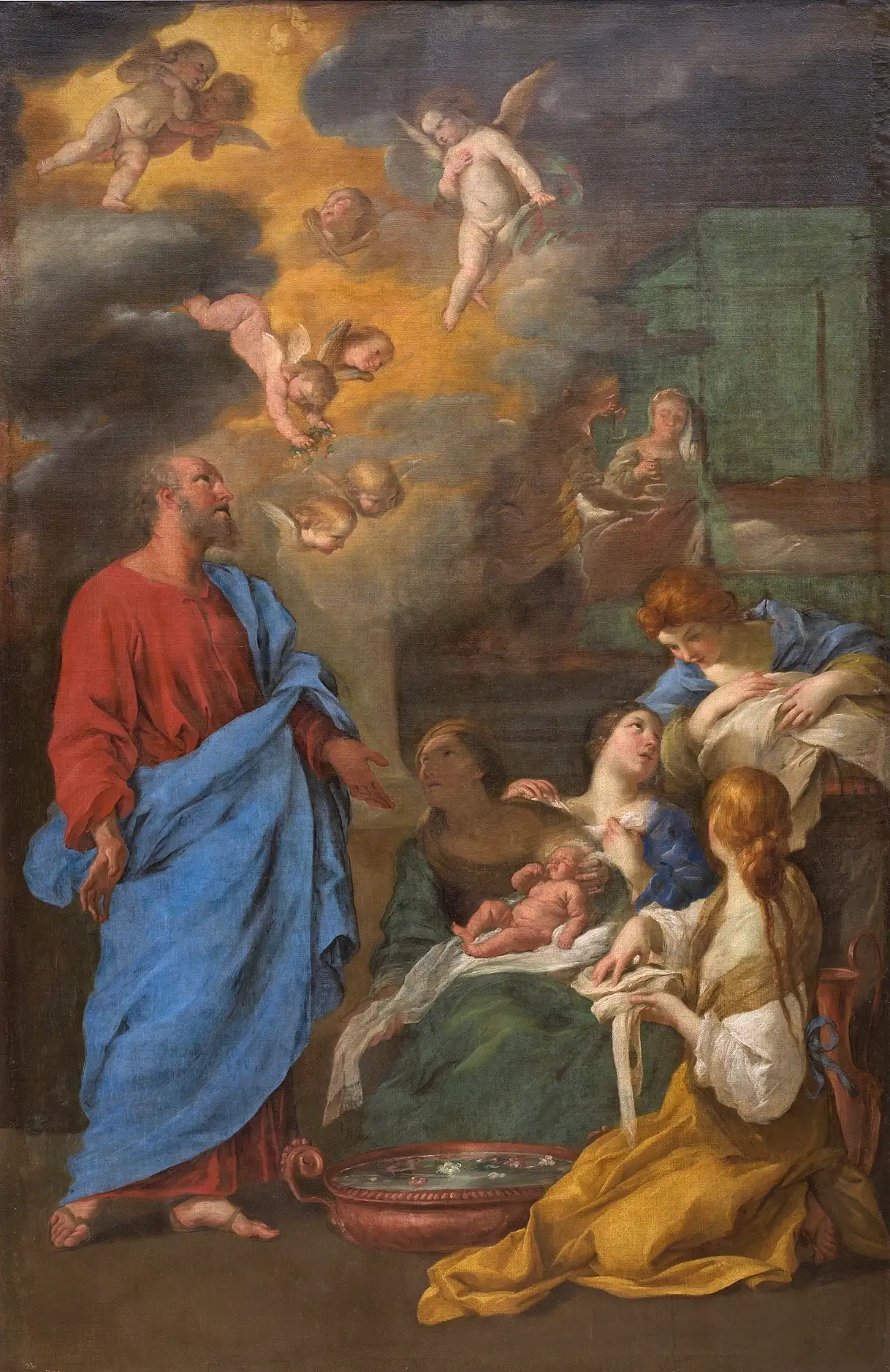
The Birth of Saint John the Baptist by Andrea Sacchi, 1628 - 1629.
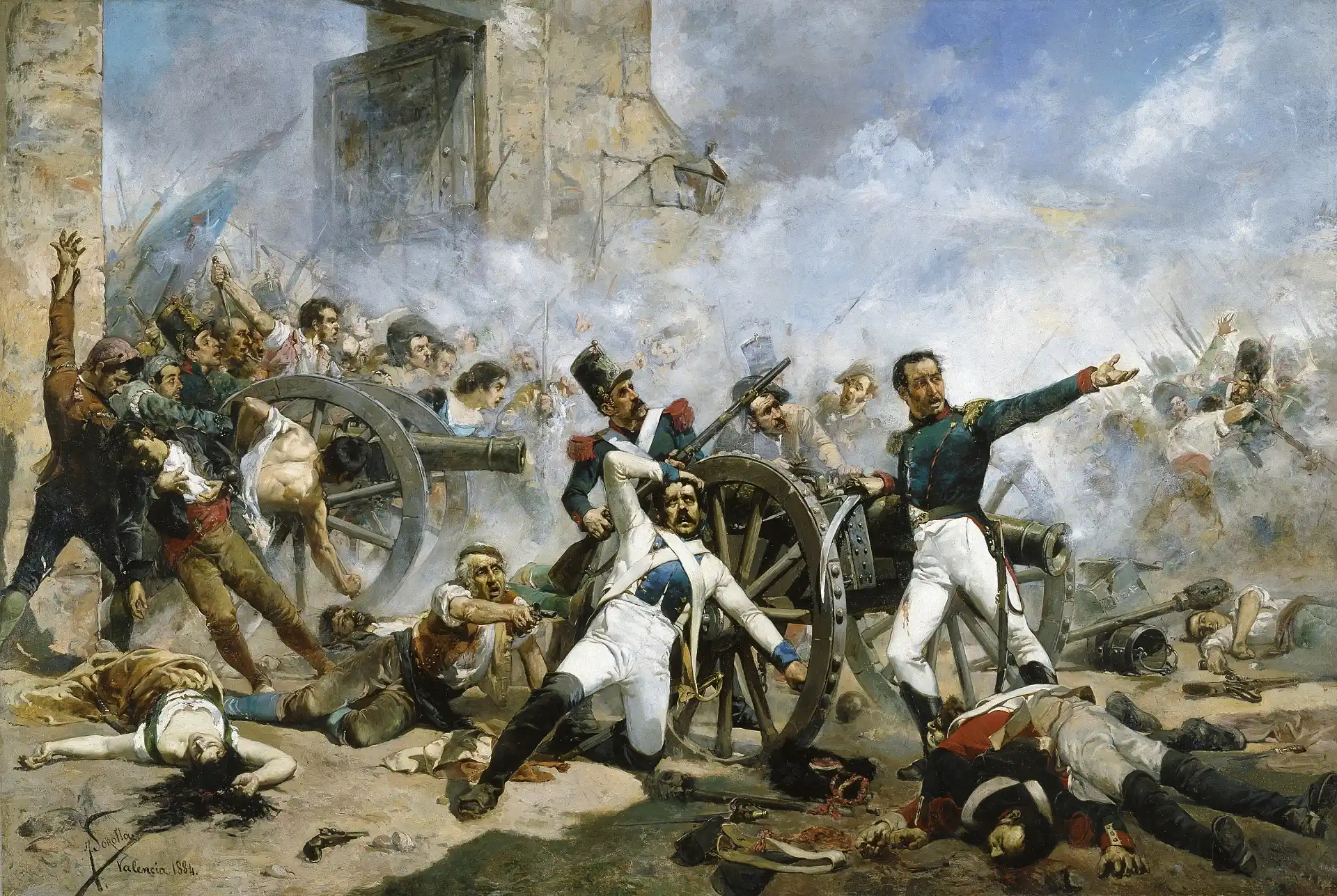
The Second of May by Joaquin Sorolla, 1884.
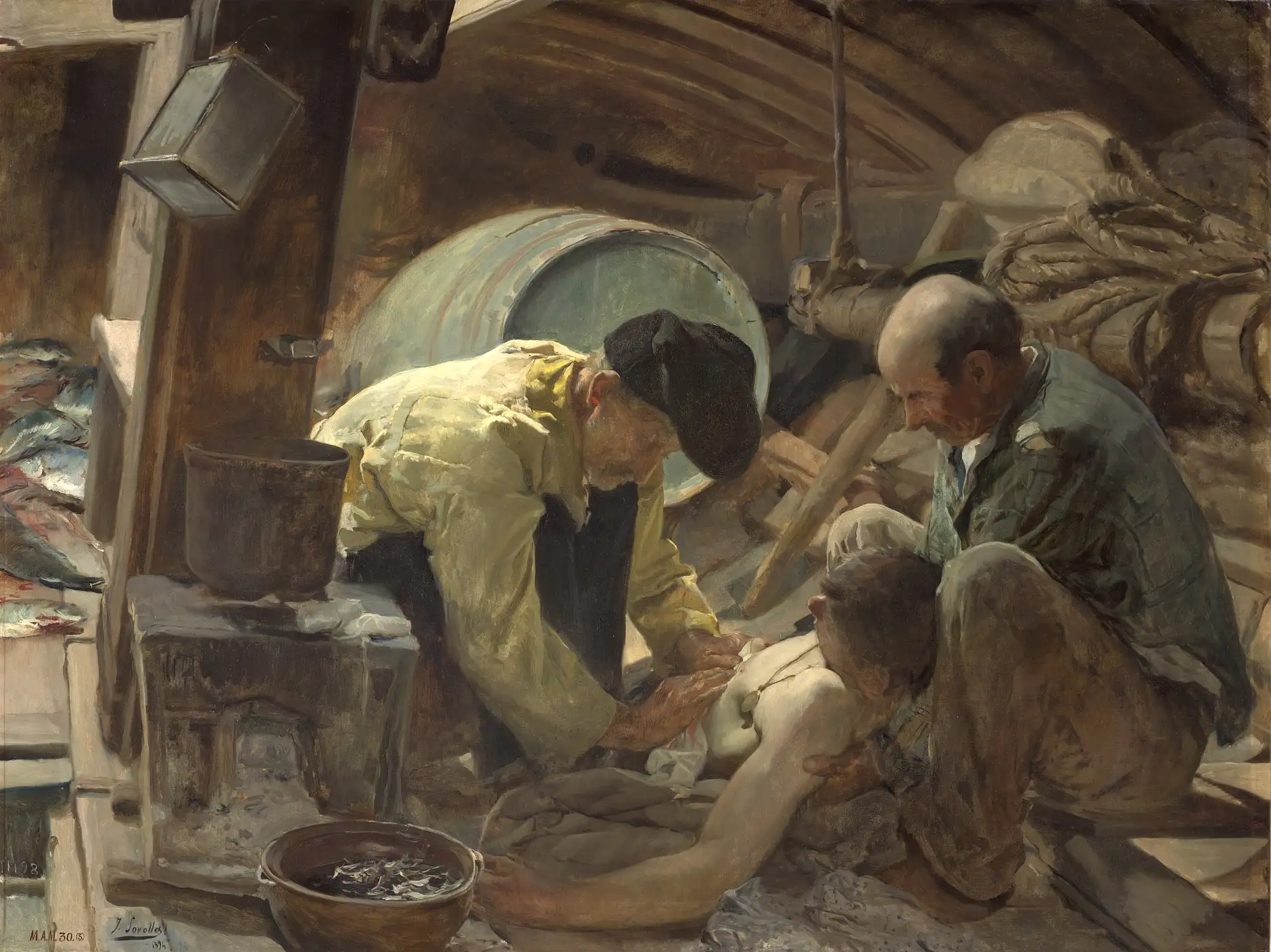
And They Still Say Fish Is Expensive! by Joaquin Sorolla, 1894.
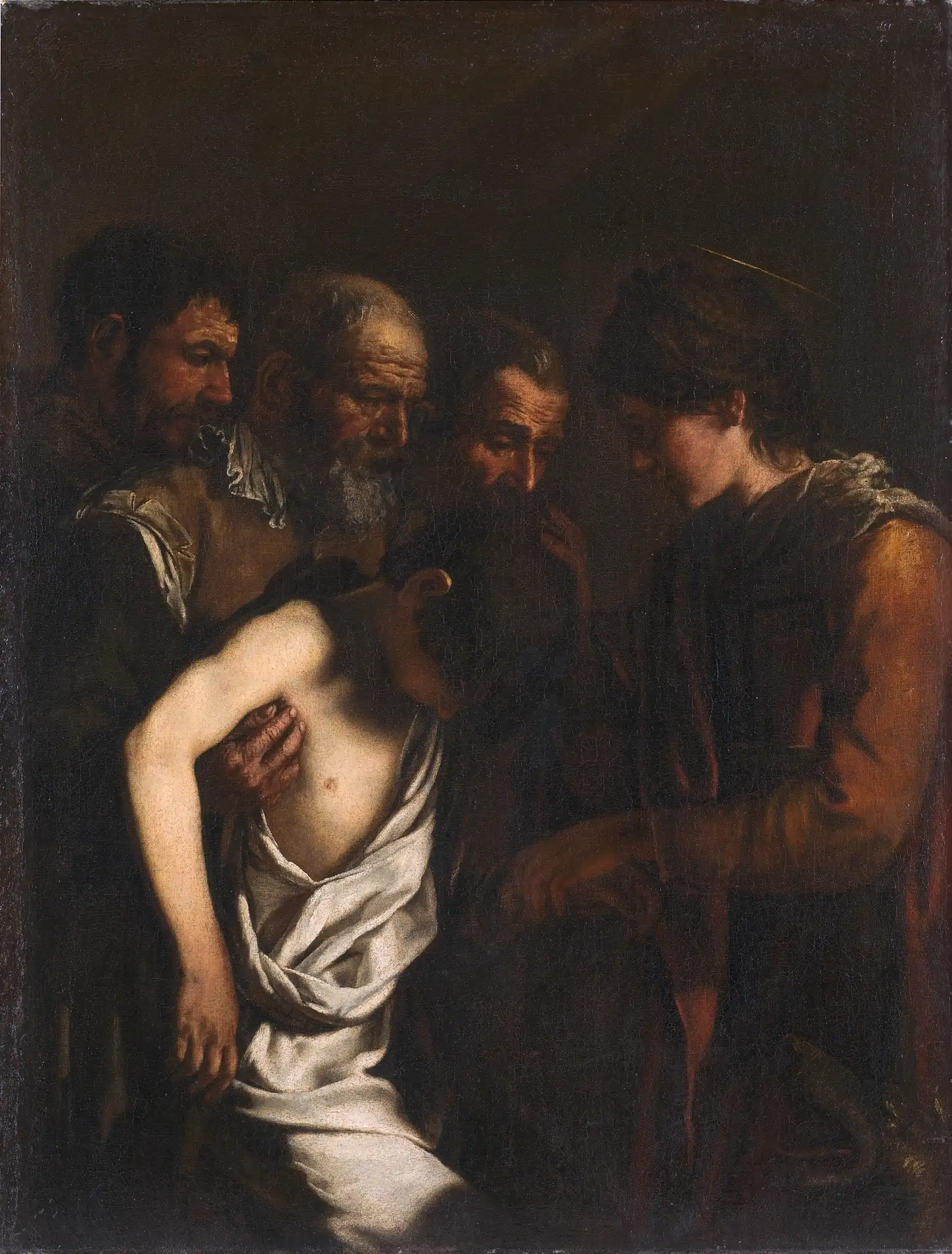
Saint Margaret Resuscitating a Young Man by Giovanni Serodine, circa 1620.
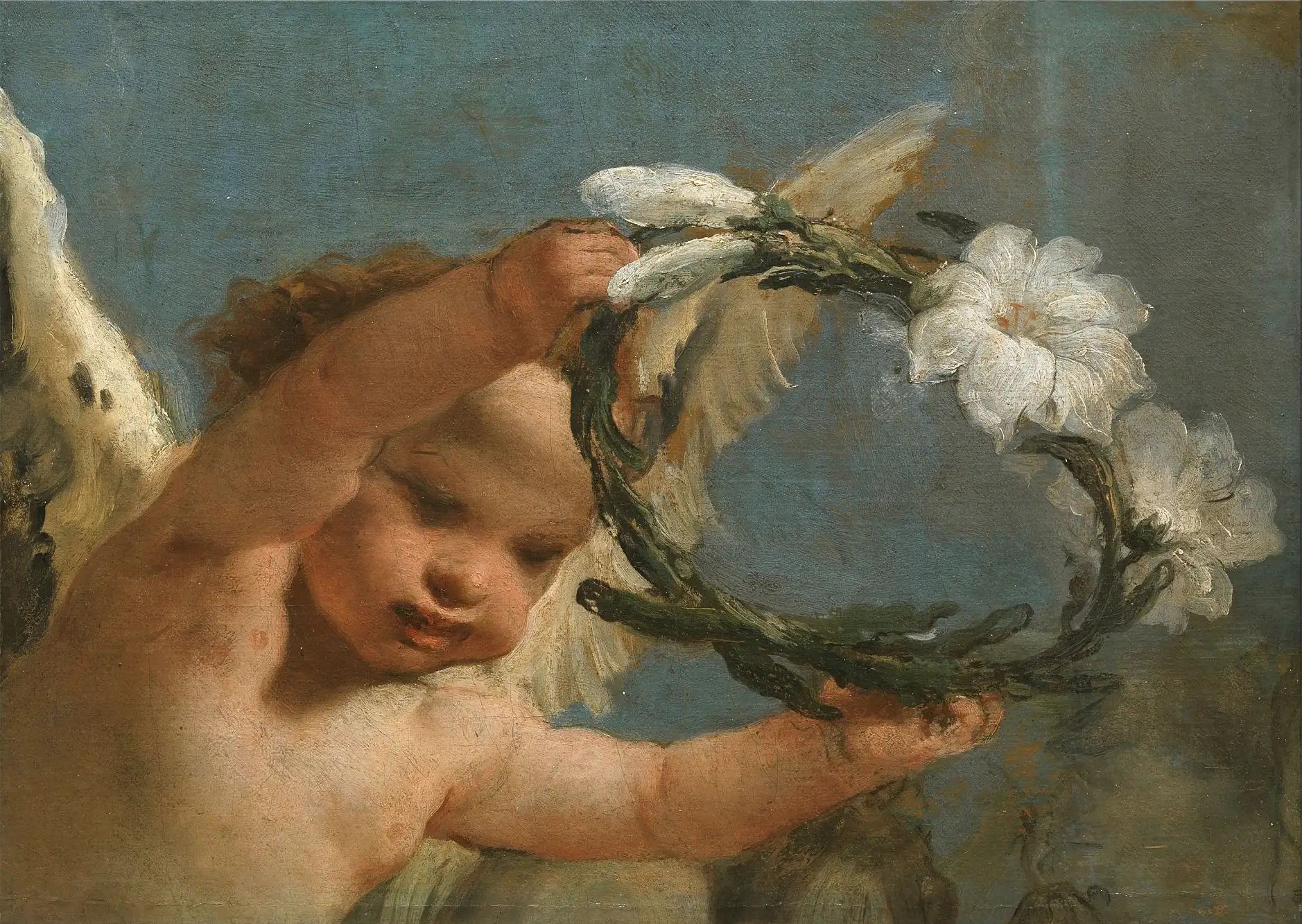
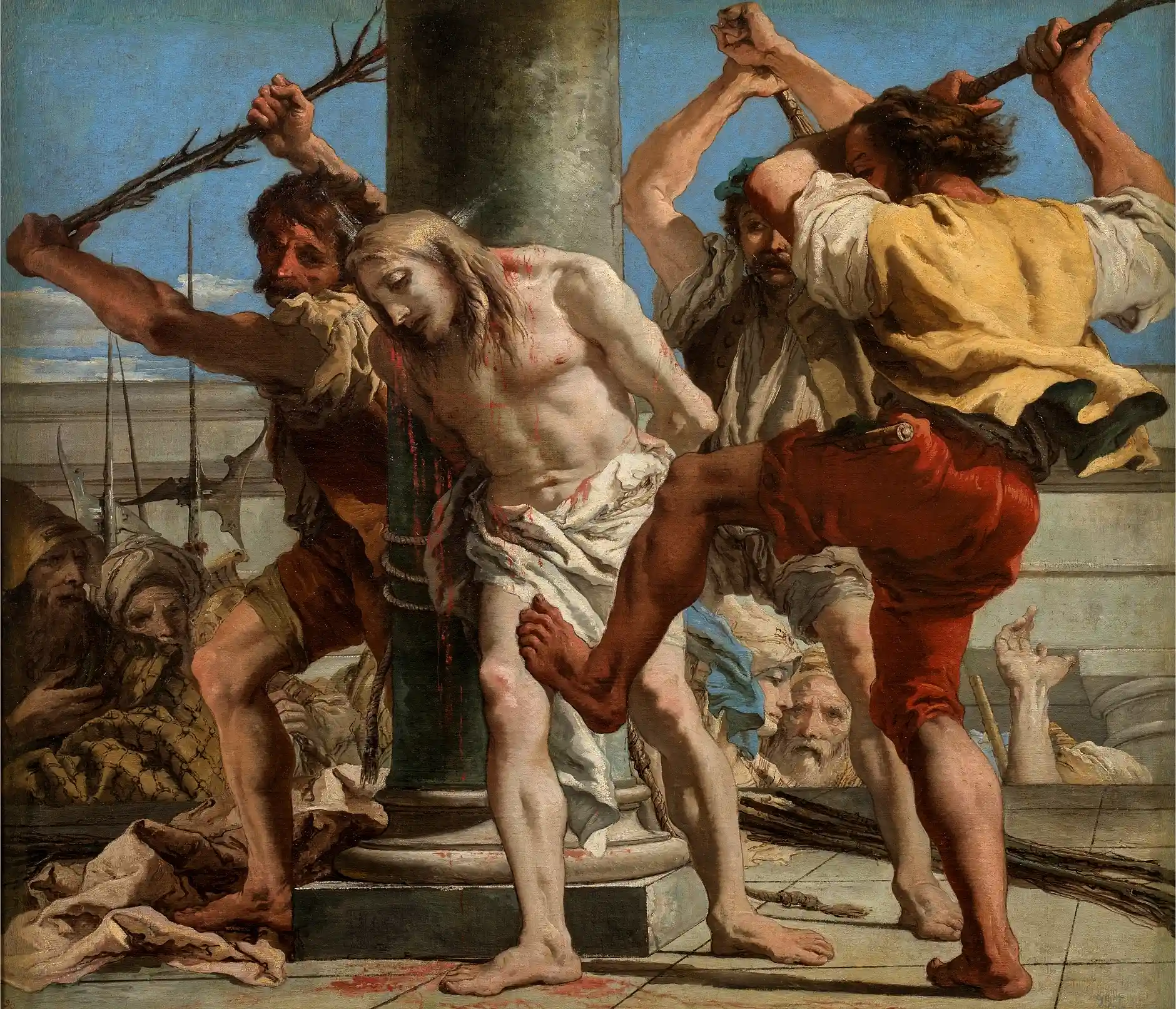
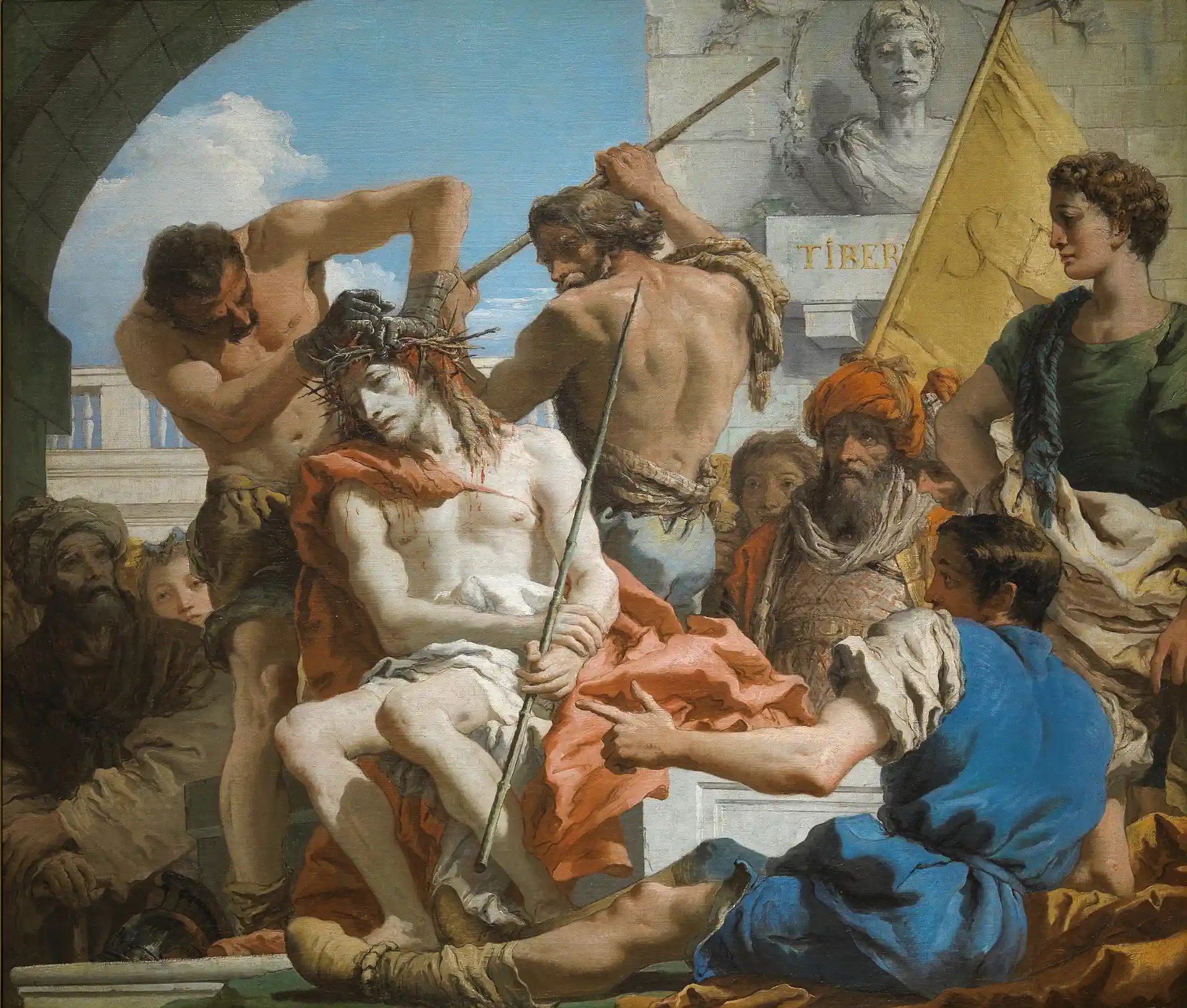
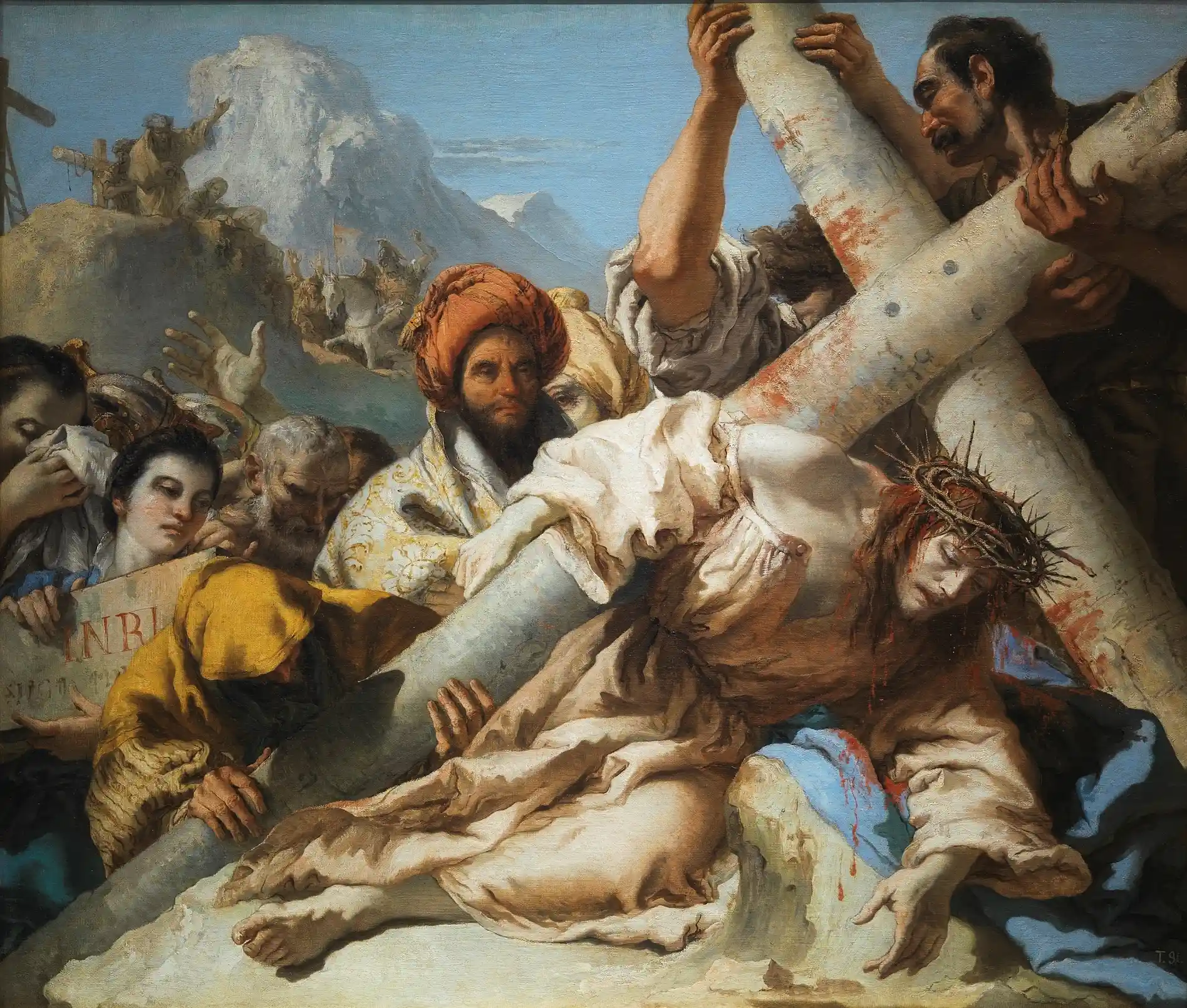
Angel with a Crown of Lilies by Giambattista Tiepolo, 1767 - 1769. A whole bunch of both father and son coming up...
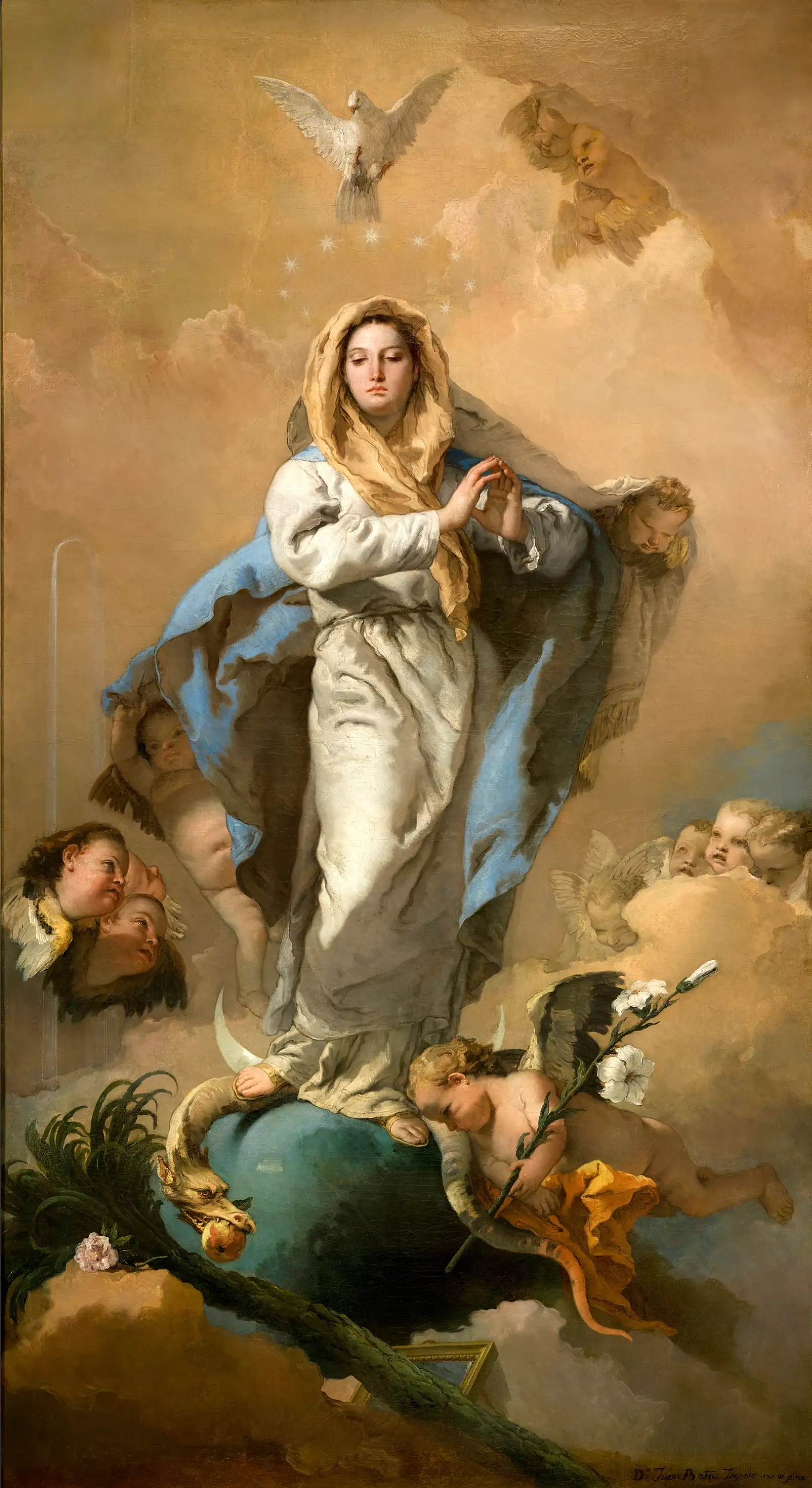
The Immaculate Conception by Giambattista Tiepolo, 1767 - 1769.
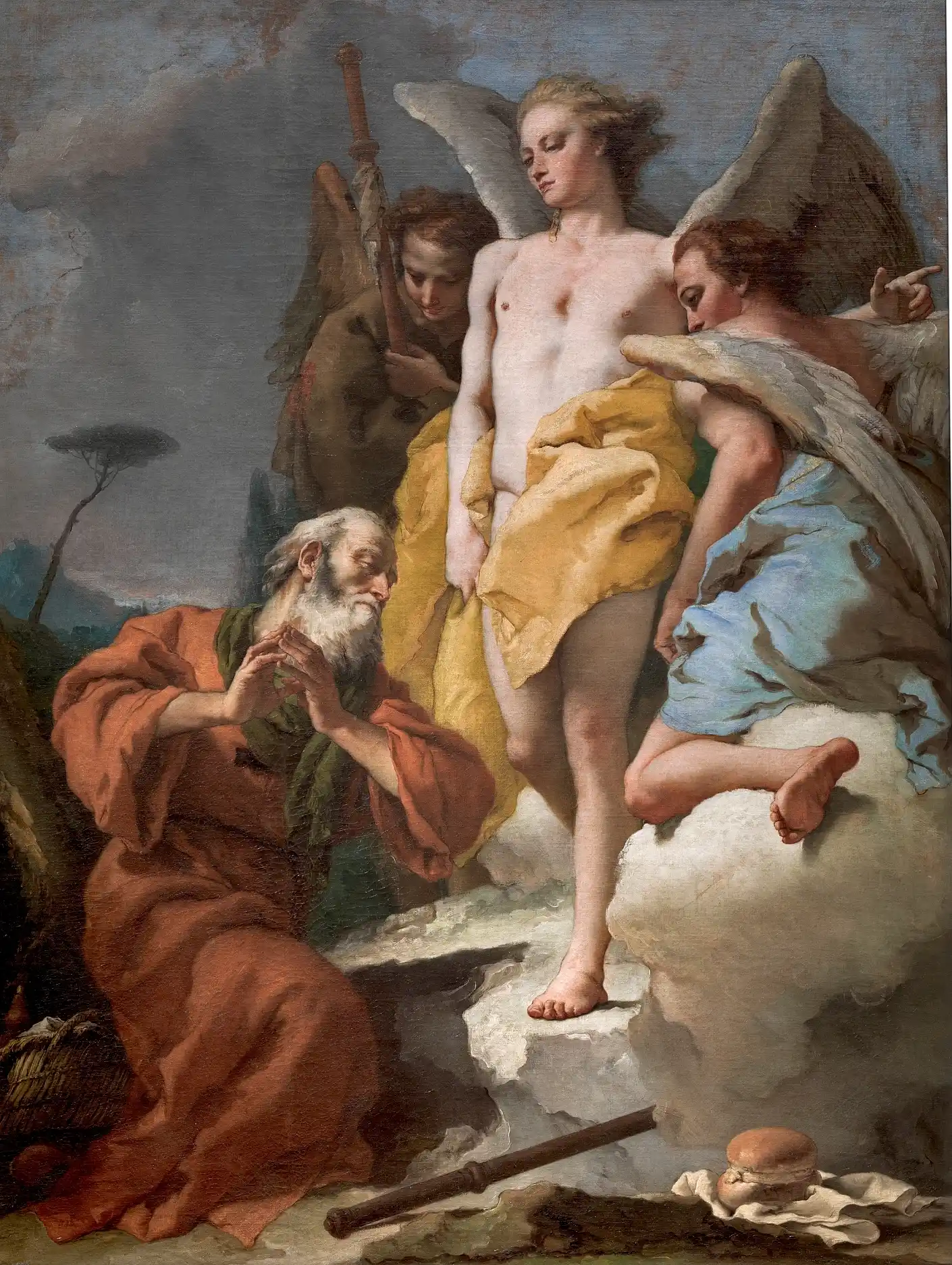
Abraham and the Three Angels by Giambattista Tiepolo, 1770.
 Español