Español
Updated 8/23/2026
León, 8/6/2026 - 8/8/2026
I'd mostly been taking the national roads as opposed to highways because you drive through bunches of small towns and villages and see things you never would from the highway. It's a totally relaxing way to go - you still go 60 miles an hour most of the time and you practically have the road to yourself!
That said, the ride from Burgos to León probably would have been about the same on the highway, and somewhat faster. This is what we call flyover country
in the US - long straight roads for miles, with nothing but farms on either side.

Empty Spain
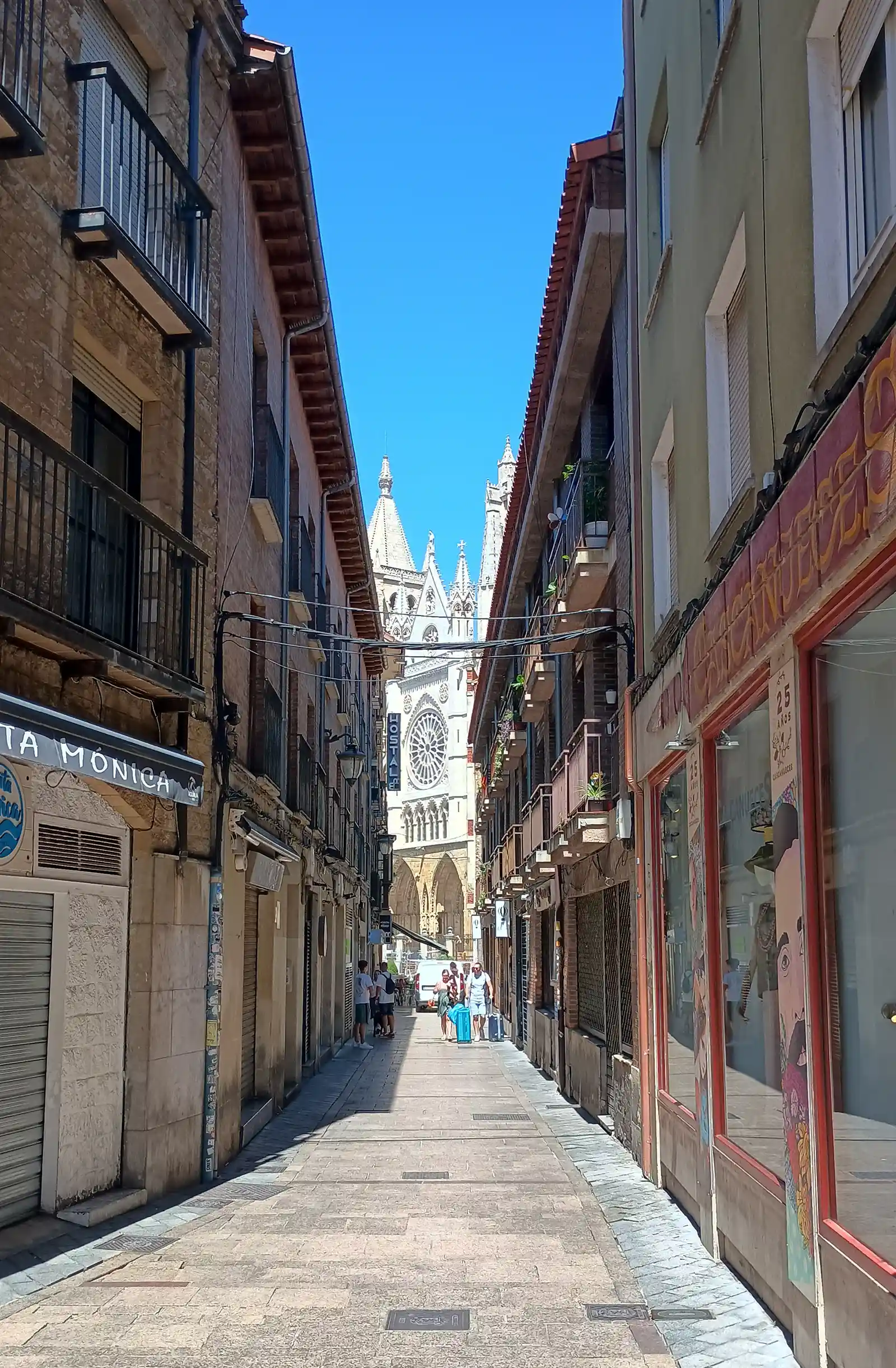
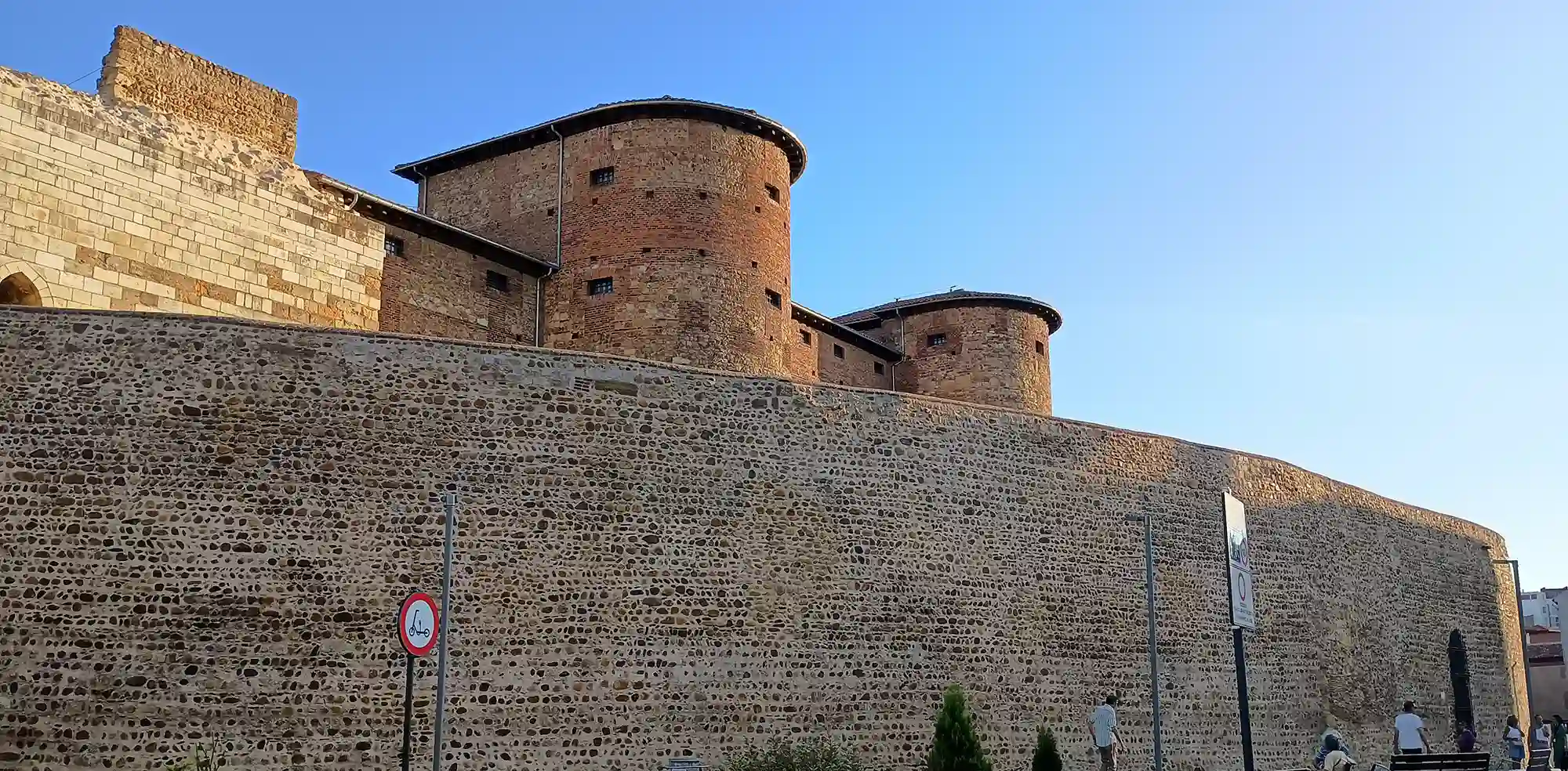
León is smaller than Burgos, but I nailed the neighborhood for my accomodations again. The Barrio Húmedo is where the action is, tons of bars and restaurants, lots of people hanging out even at midday, right next to the Plaza Mayor and the cathedral. Suprisingly there seems to be more international tourism here than in Burgos, maybe because this is an important stop on the Camino de Santiago pilgrimage.
I think maybe I like it better than Burgos - the street layout feels more compact and maybe reminds me of Boston because there are lots of twists and turns.
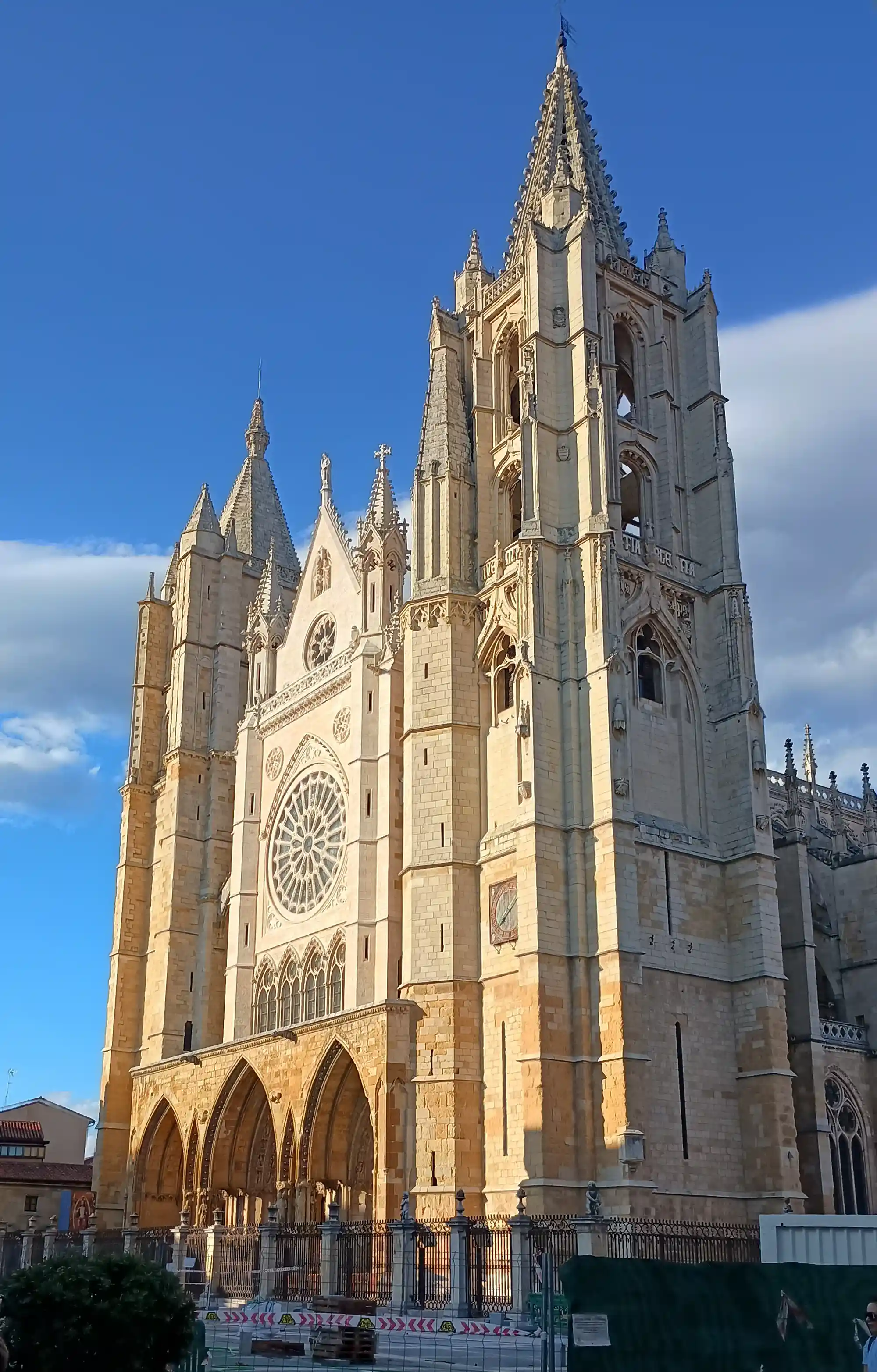
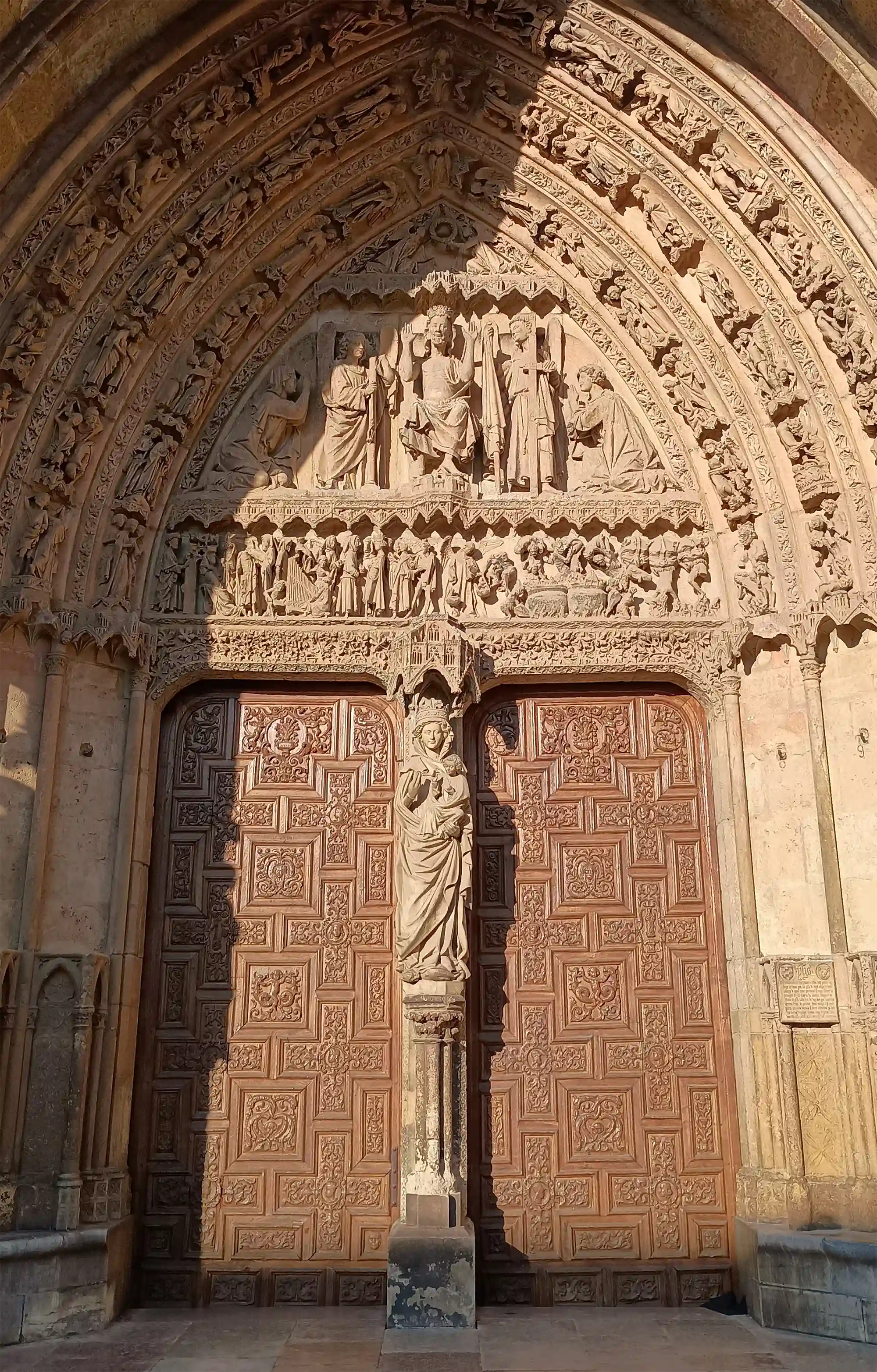
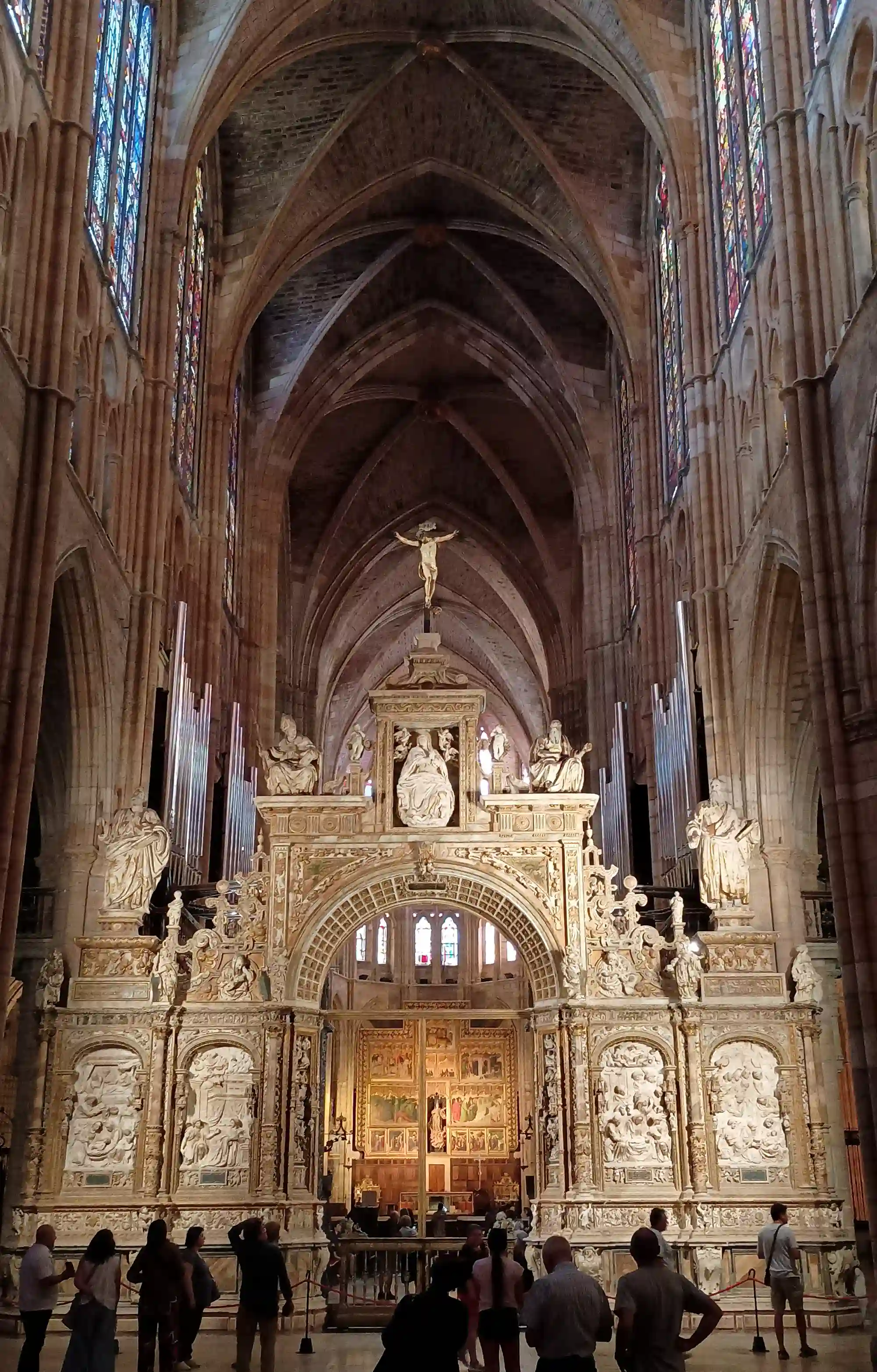
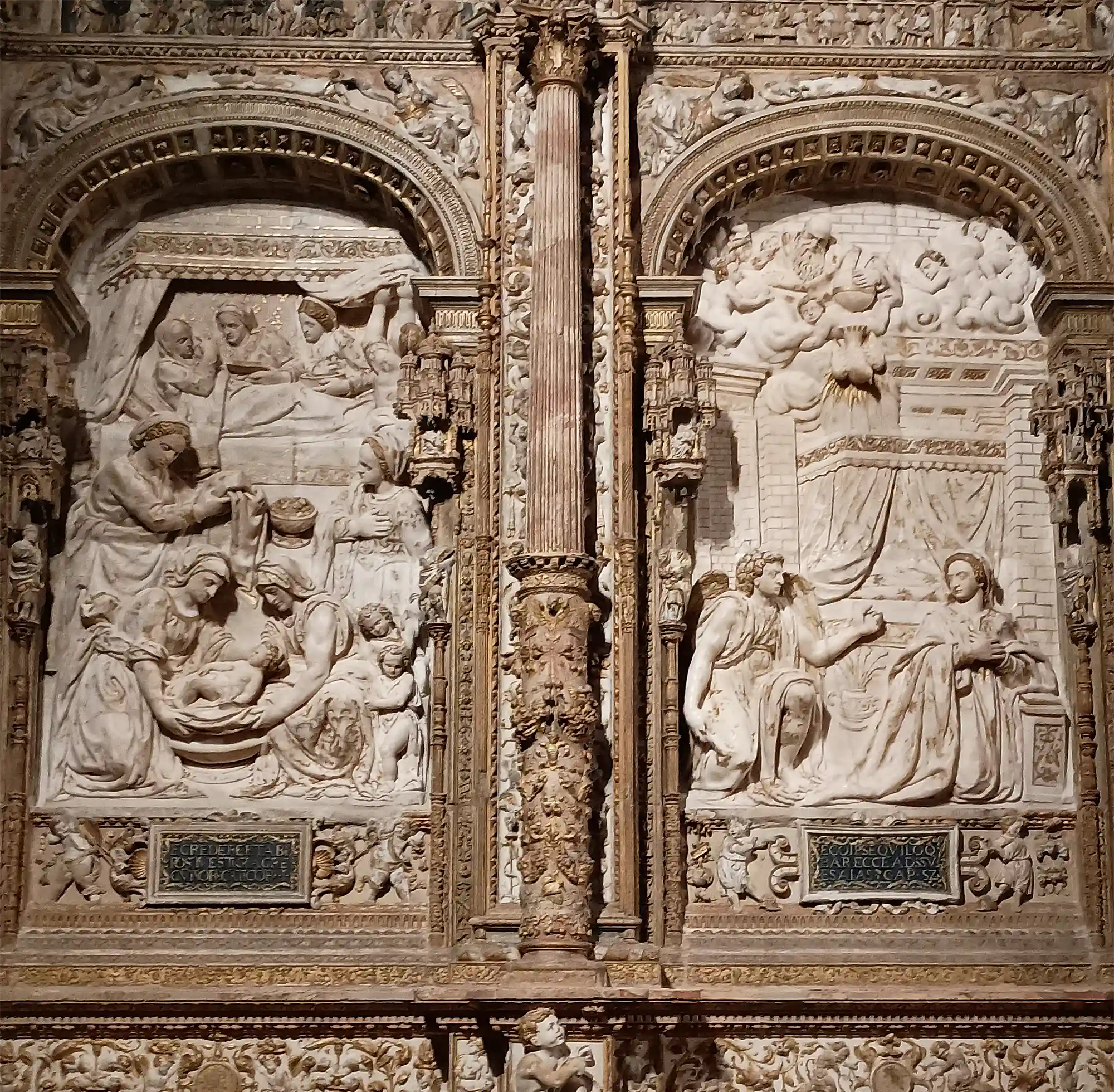
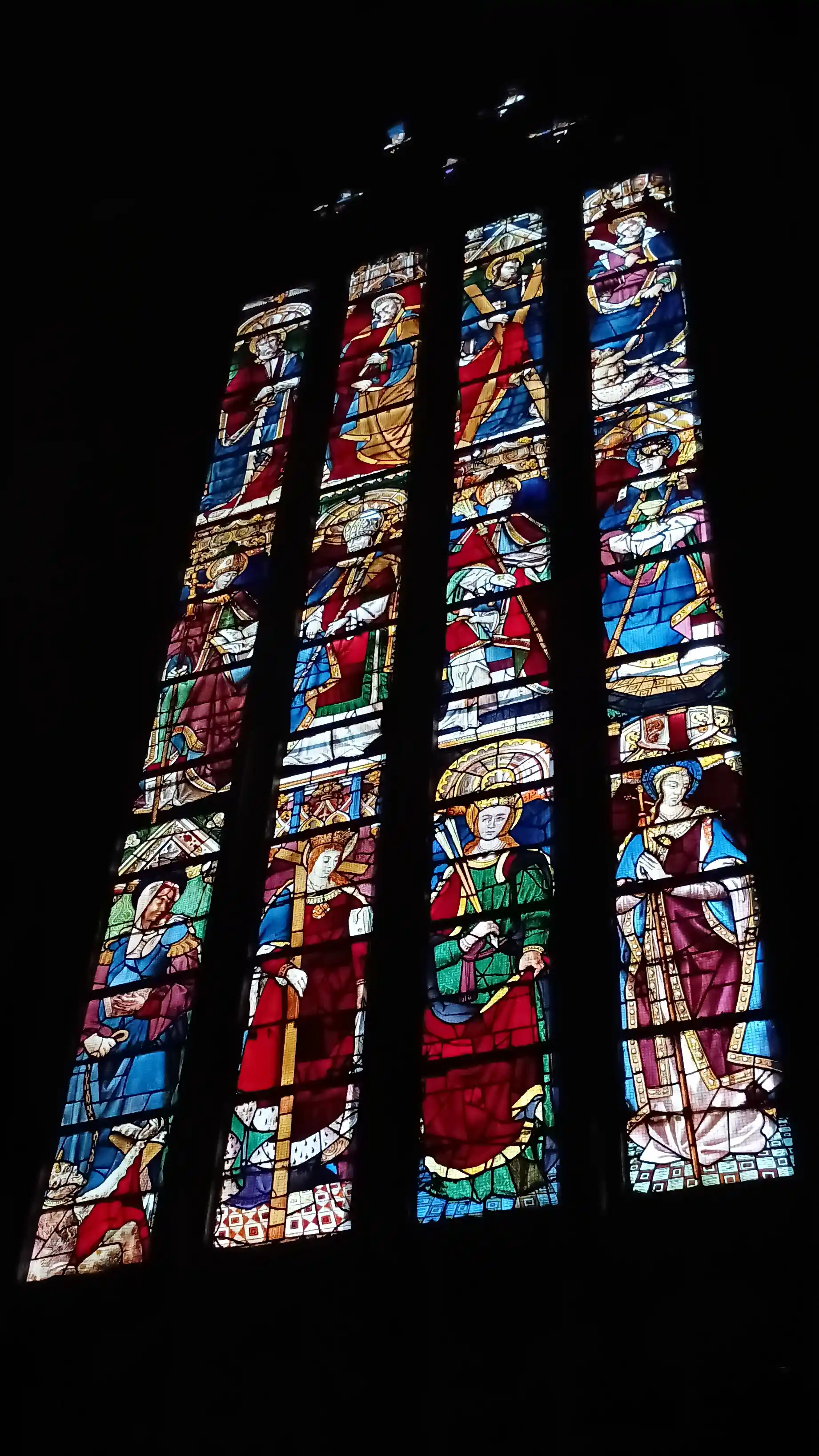
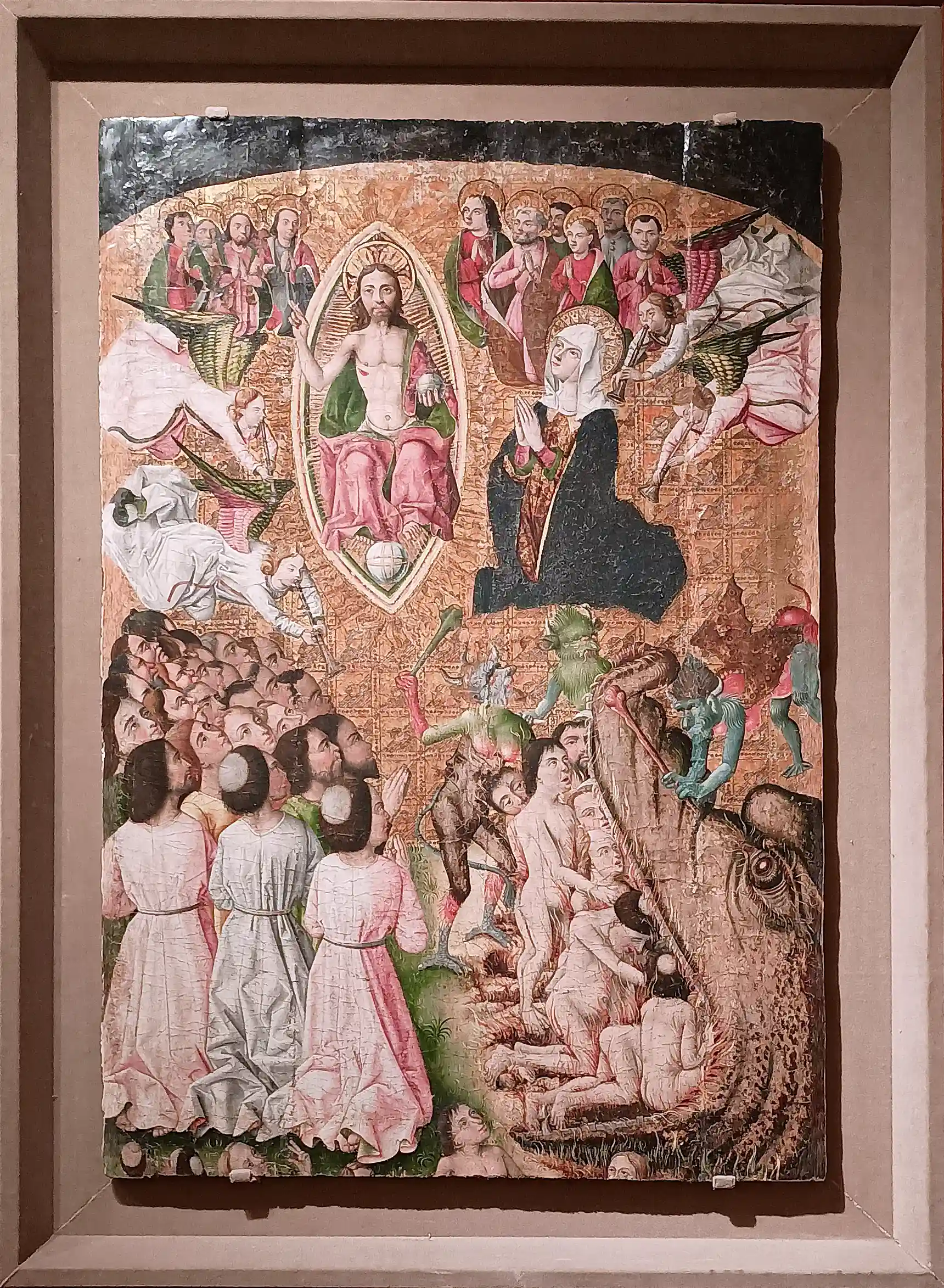
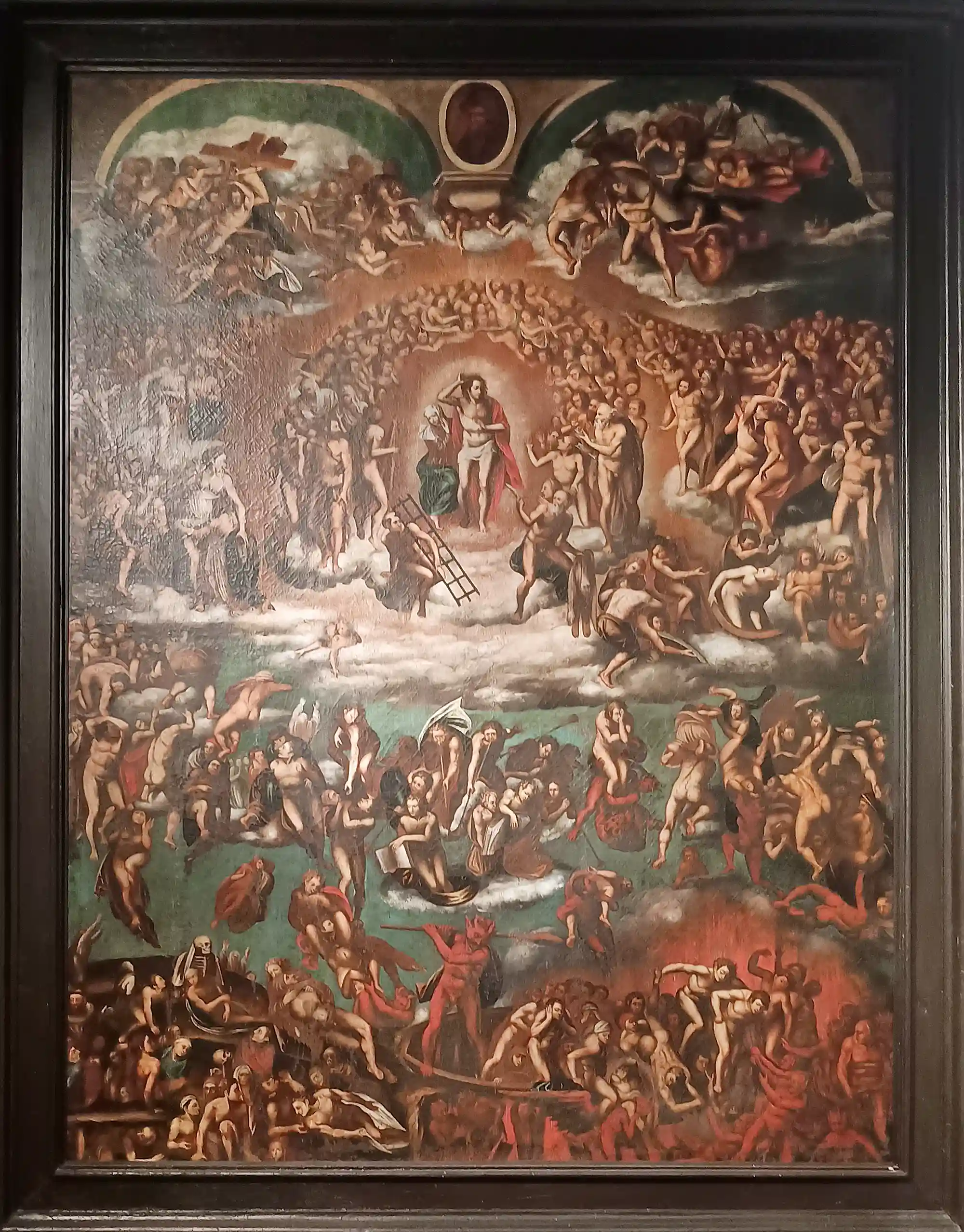
Catedral de León
Burgos' cathedral is much larger and more elaborate but from the outside I think I prefer León's. There is an attached museum that inexplicably prohibits photography but I didn't let that stop me. There were a few paintings I didn't want to forget!
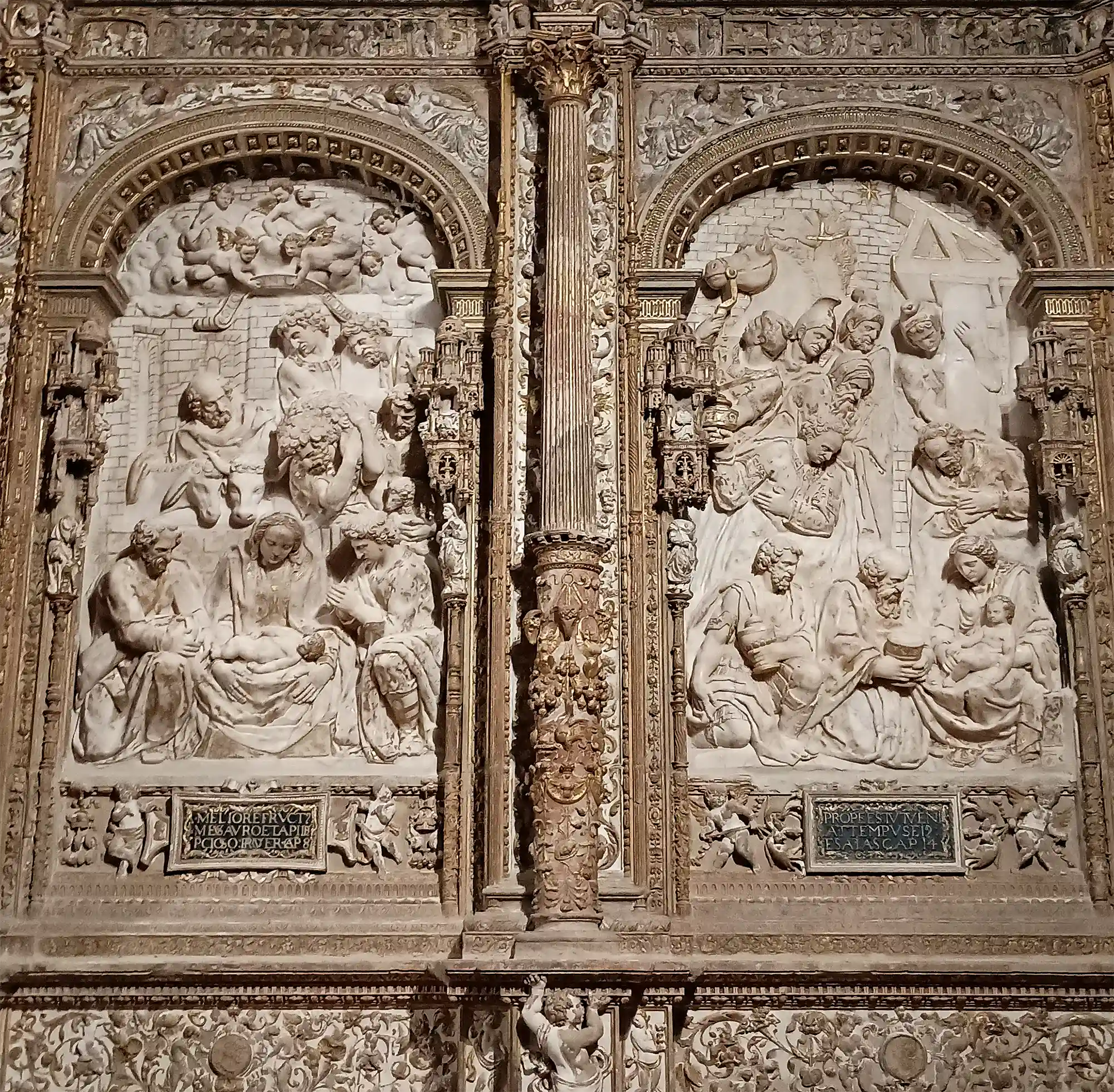
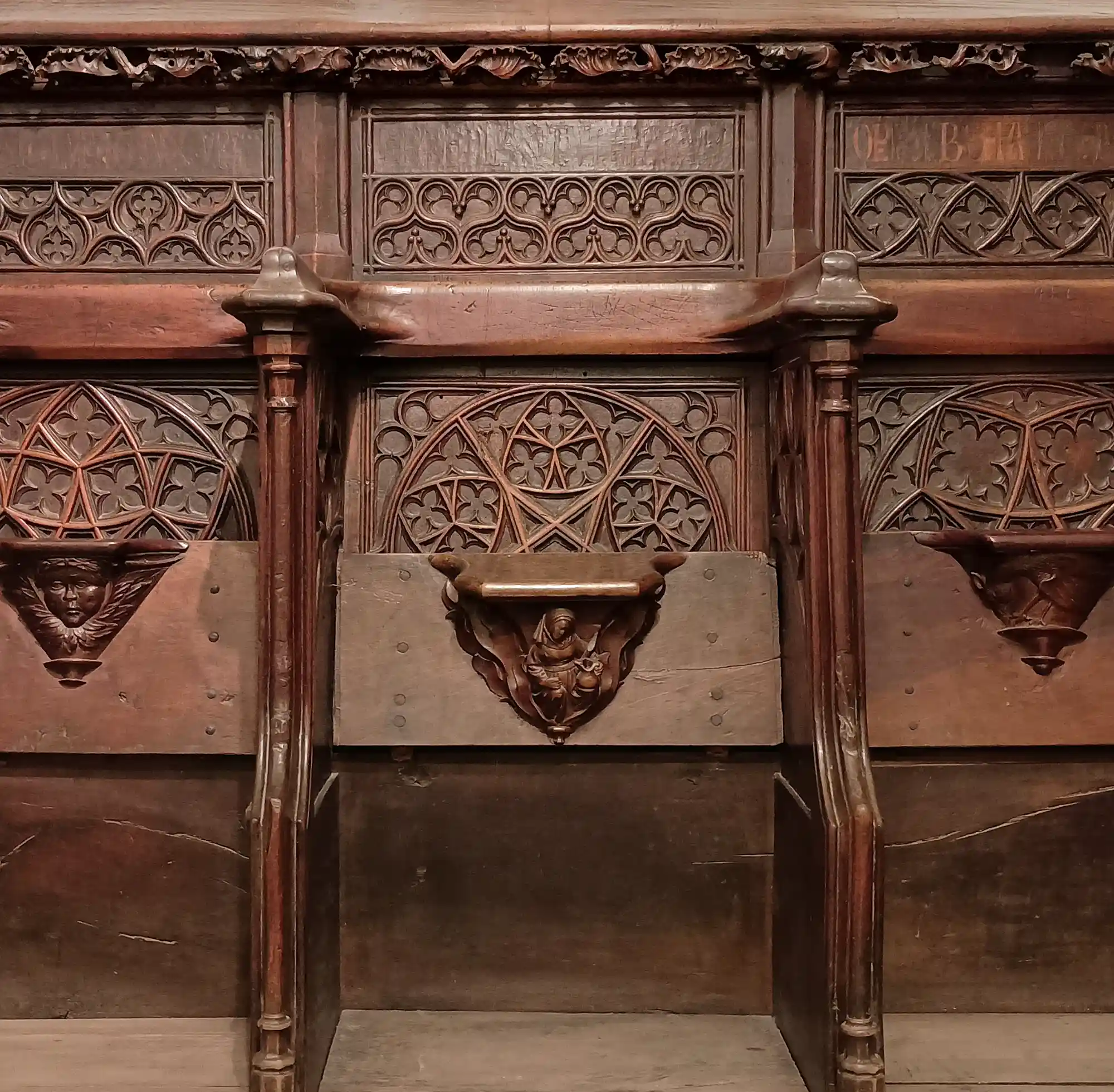
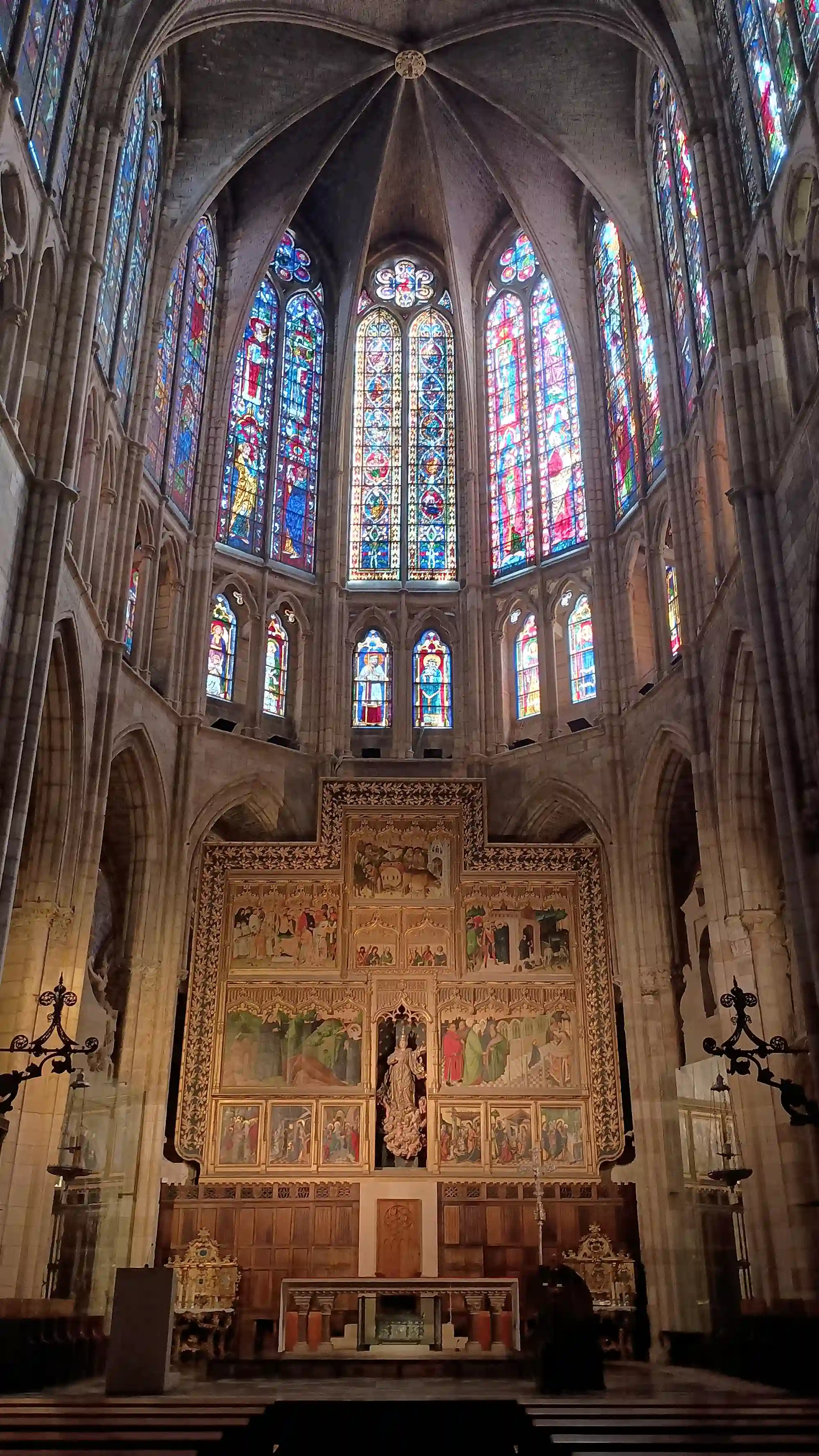
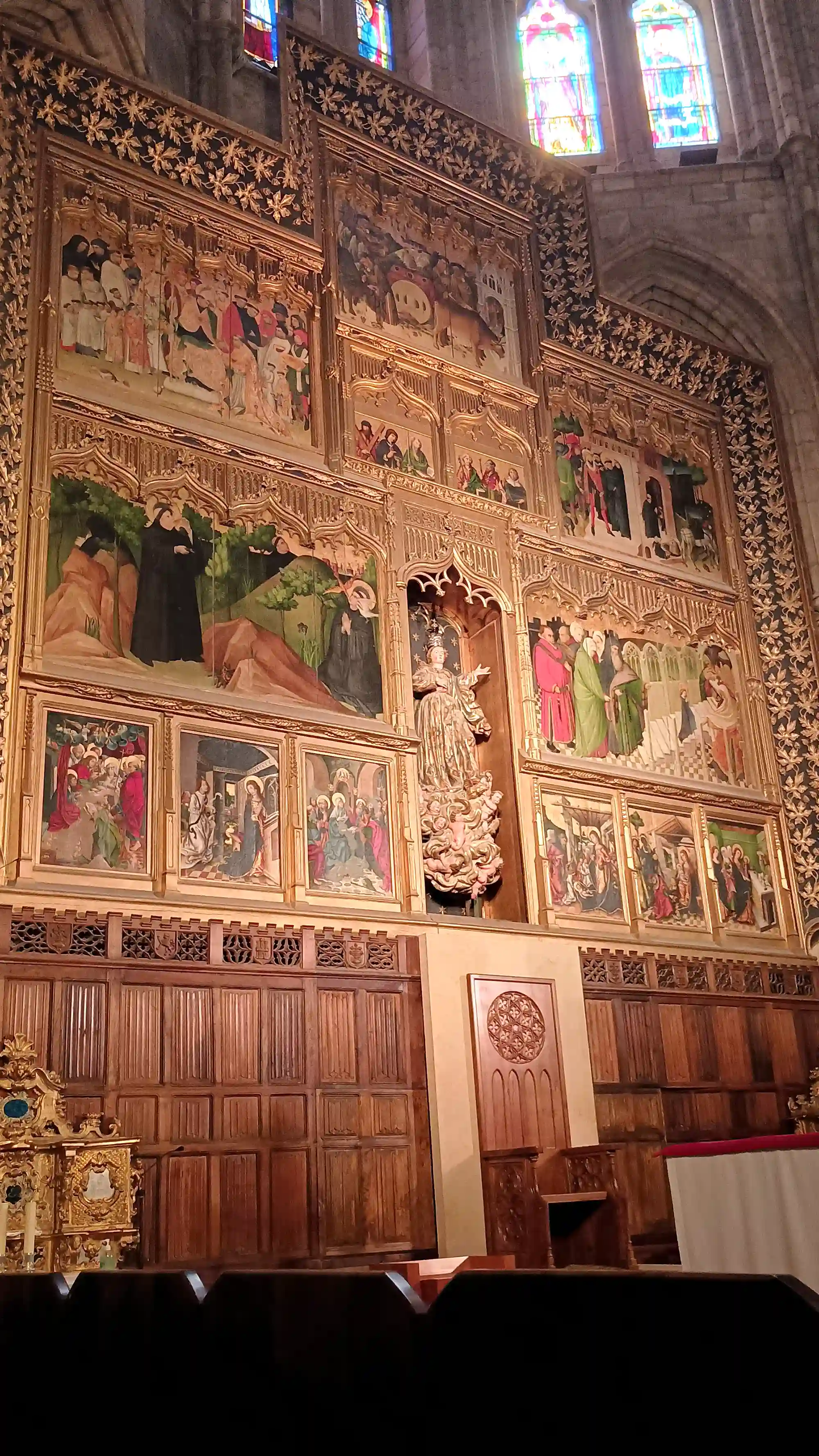
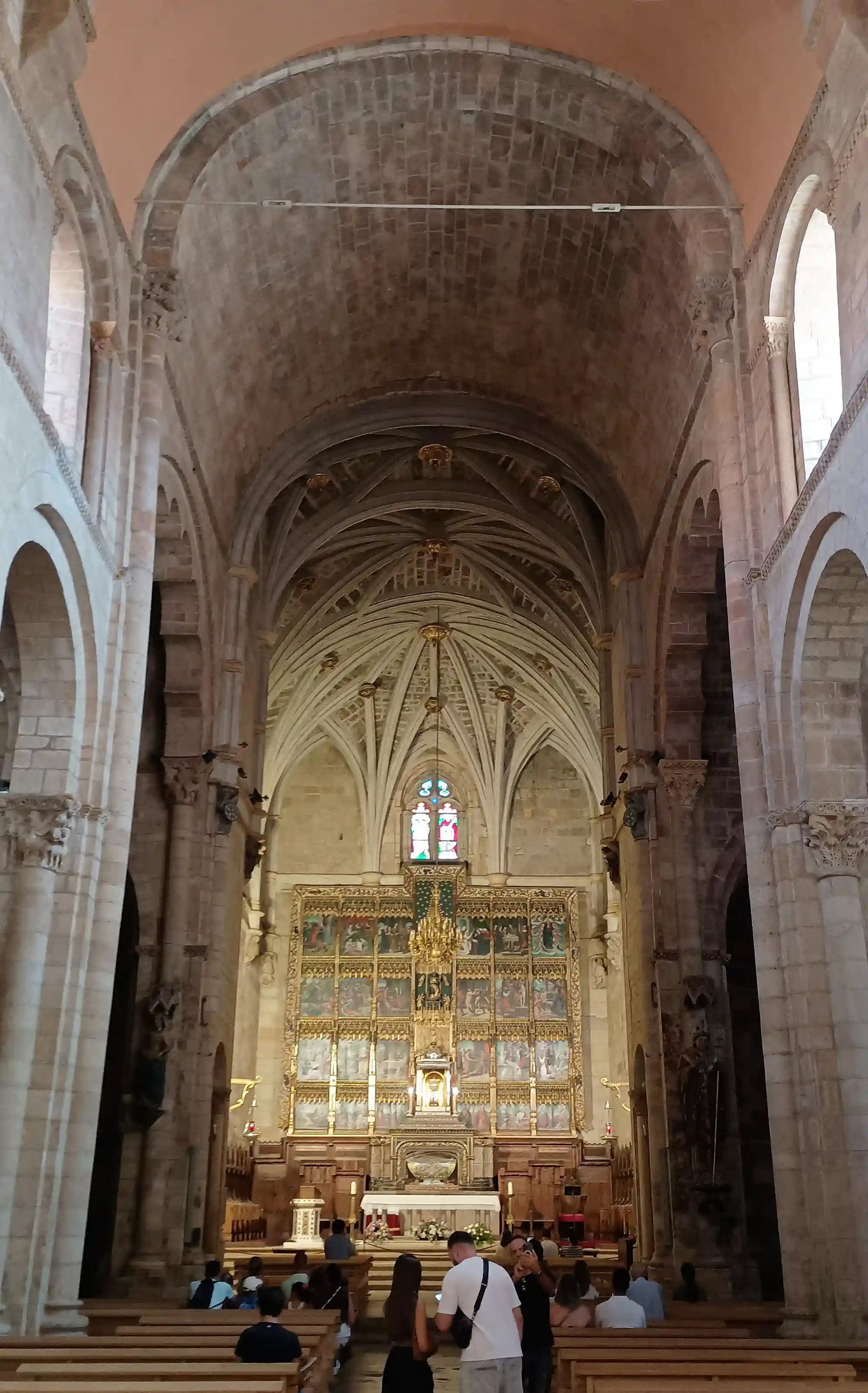
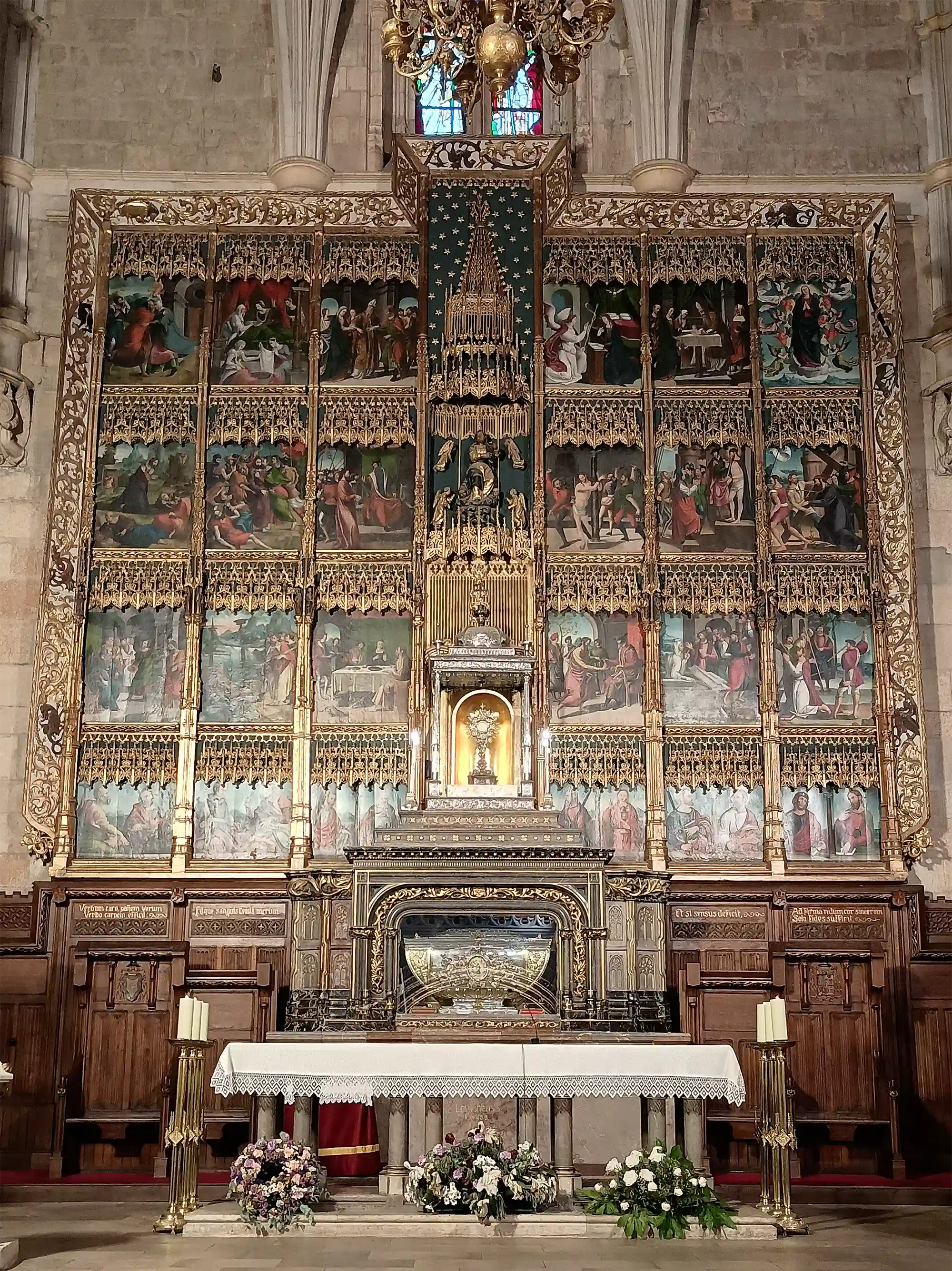
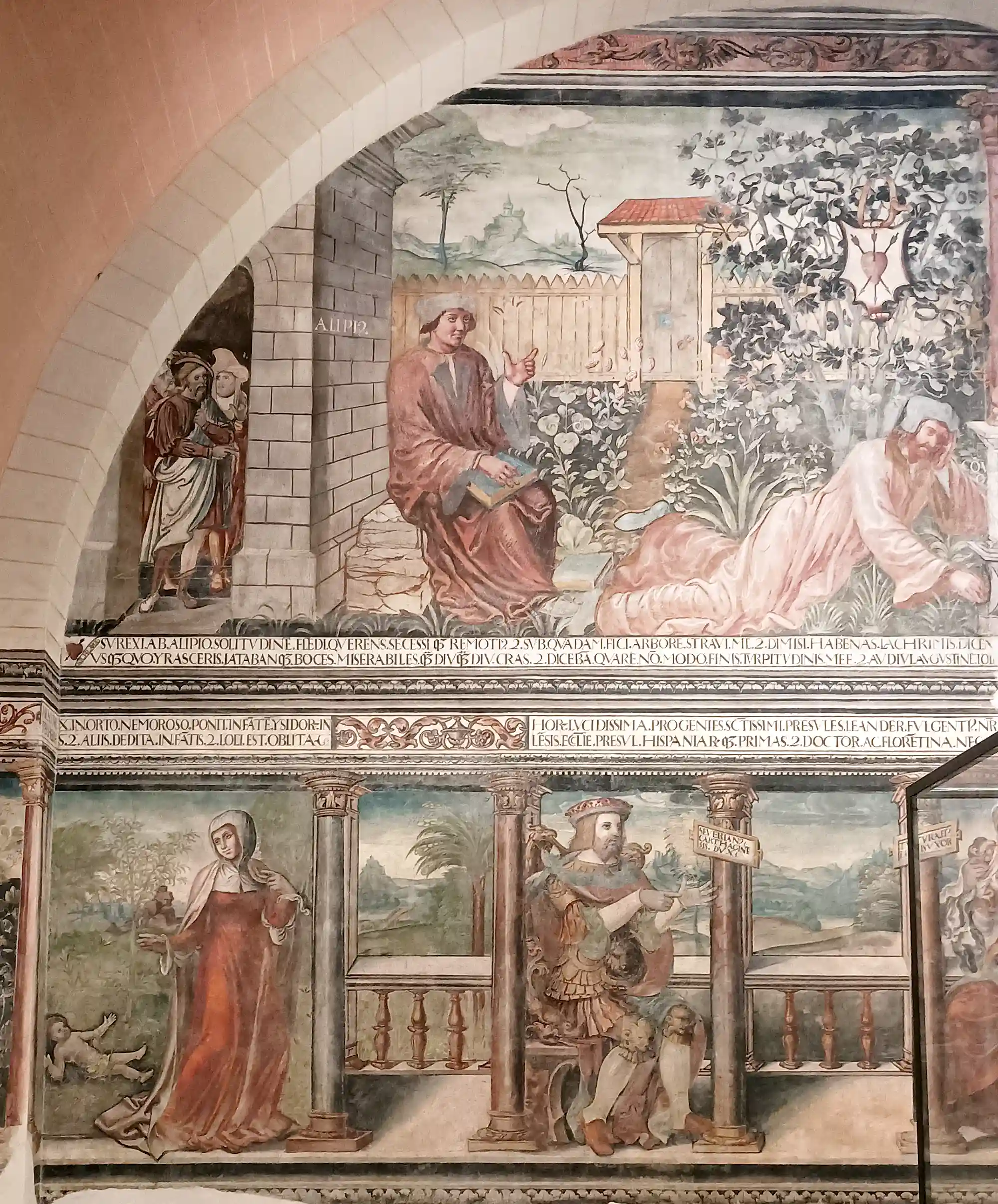
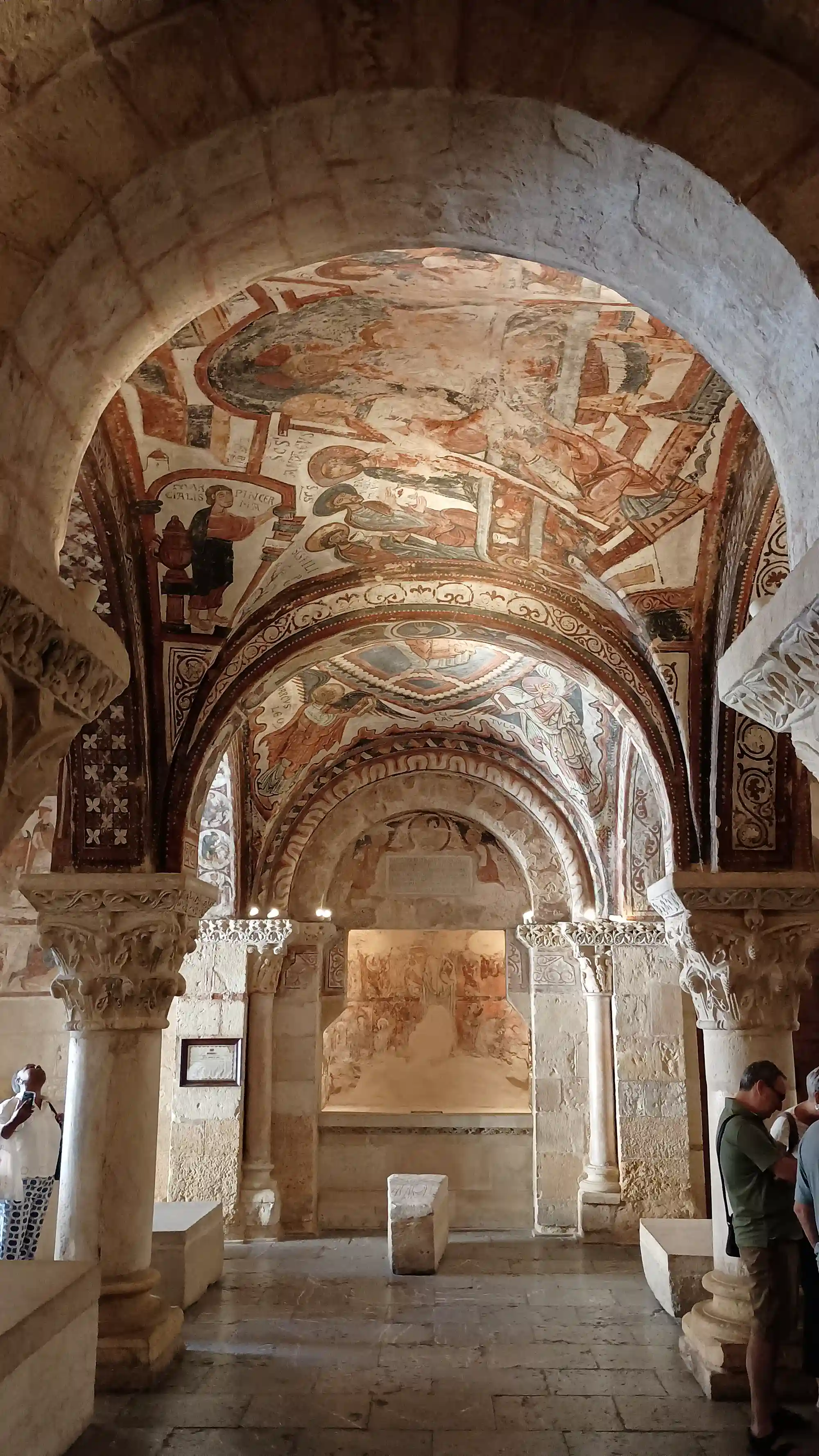
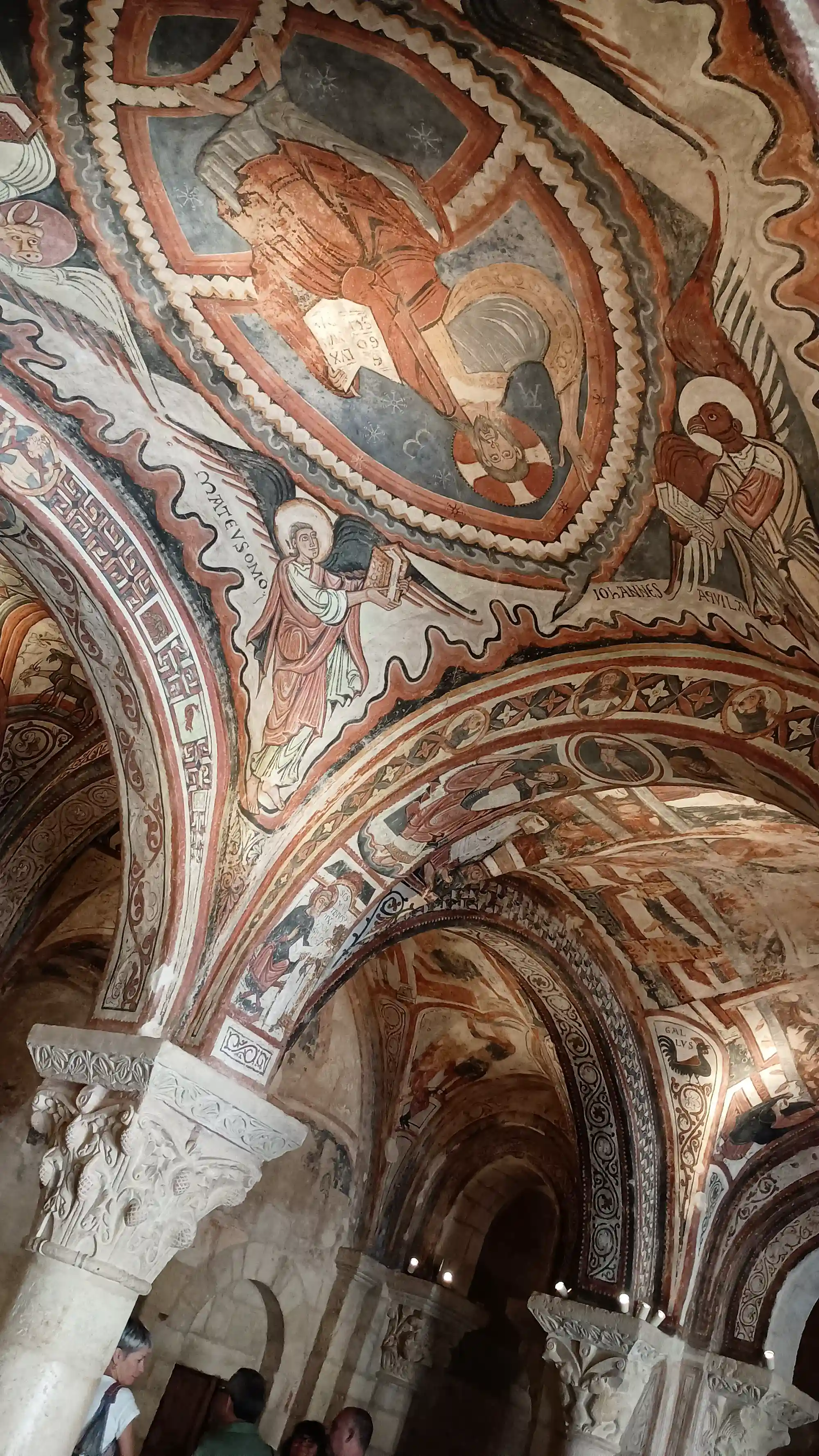
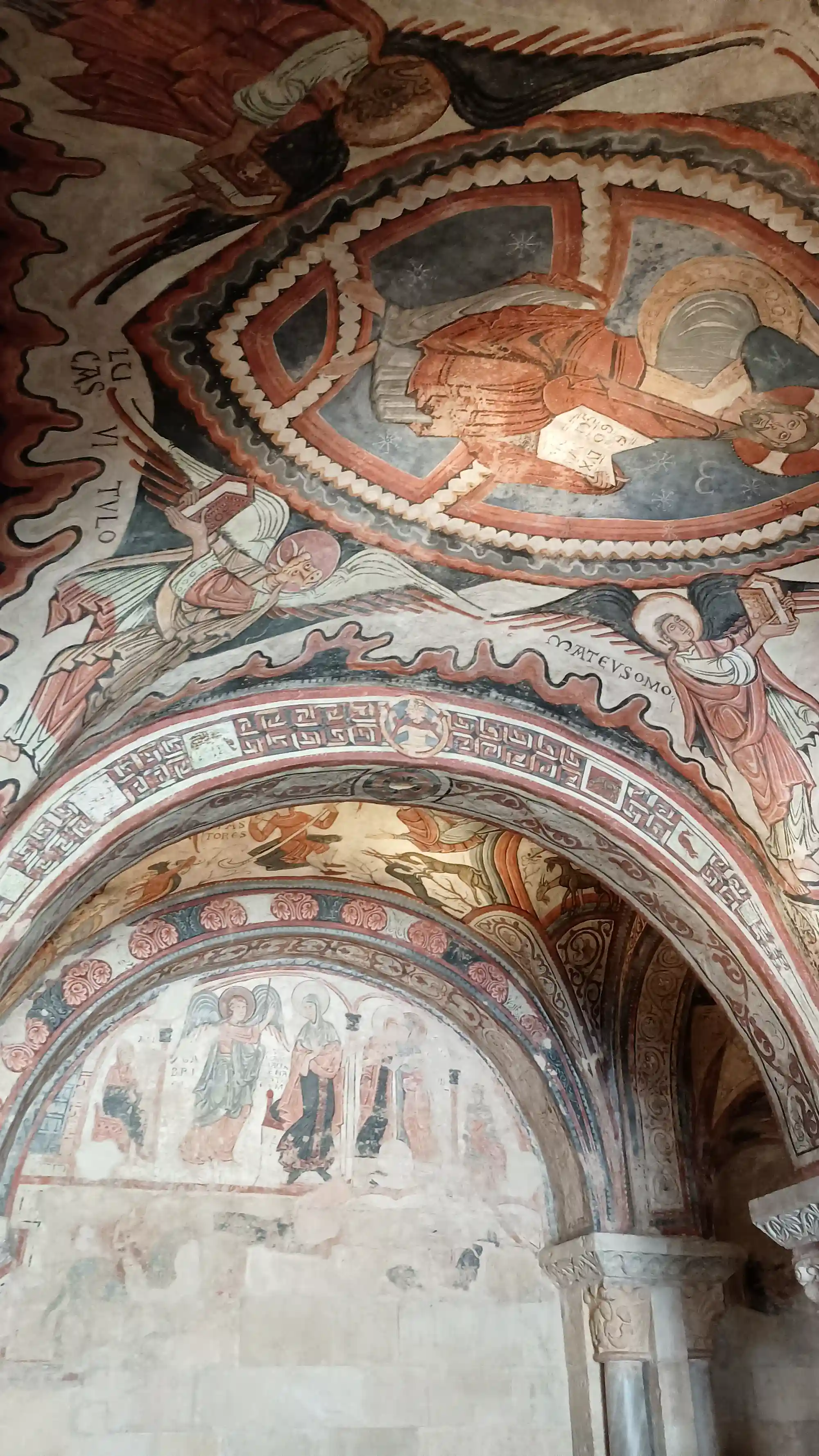
Real Basílica de San Isidoro de León and its Panteón
Another church-turned-museum that prohibits photography... I'll be ranting about this practice in reference to El Prado. In this case it's probably because the entrance fee of €6 feels a little high given what you get in return. Apparently the Panteón is considered (by whom?) the Sistine Chapel of the 13th century
but I'd venture to say at least a few places in Italy might have something to say about that, and the paintings would be better to boot (though still weirdly awkward in that typically medieval way).
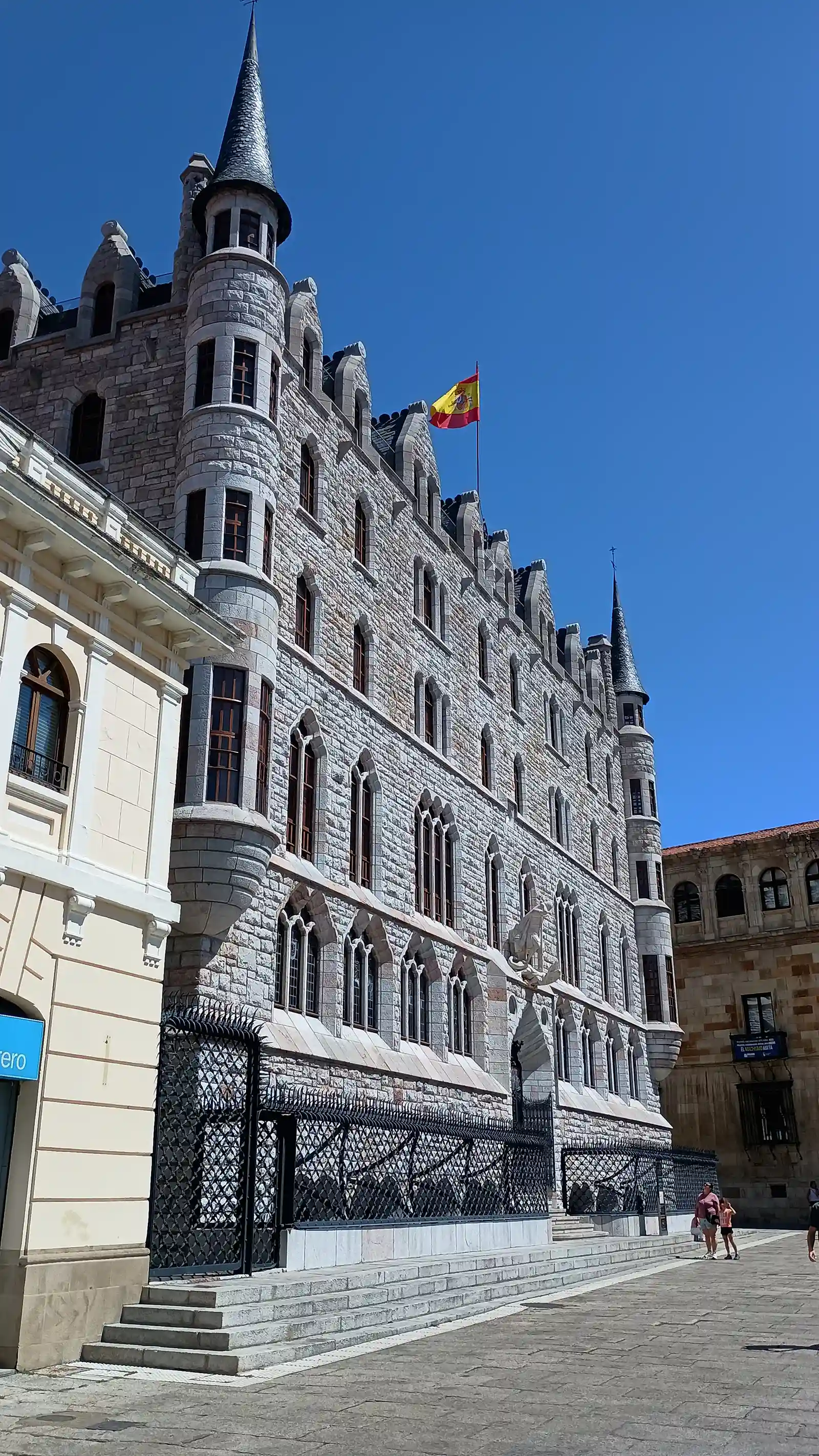
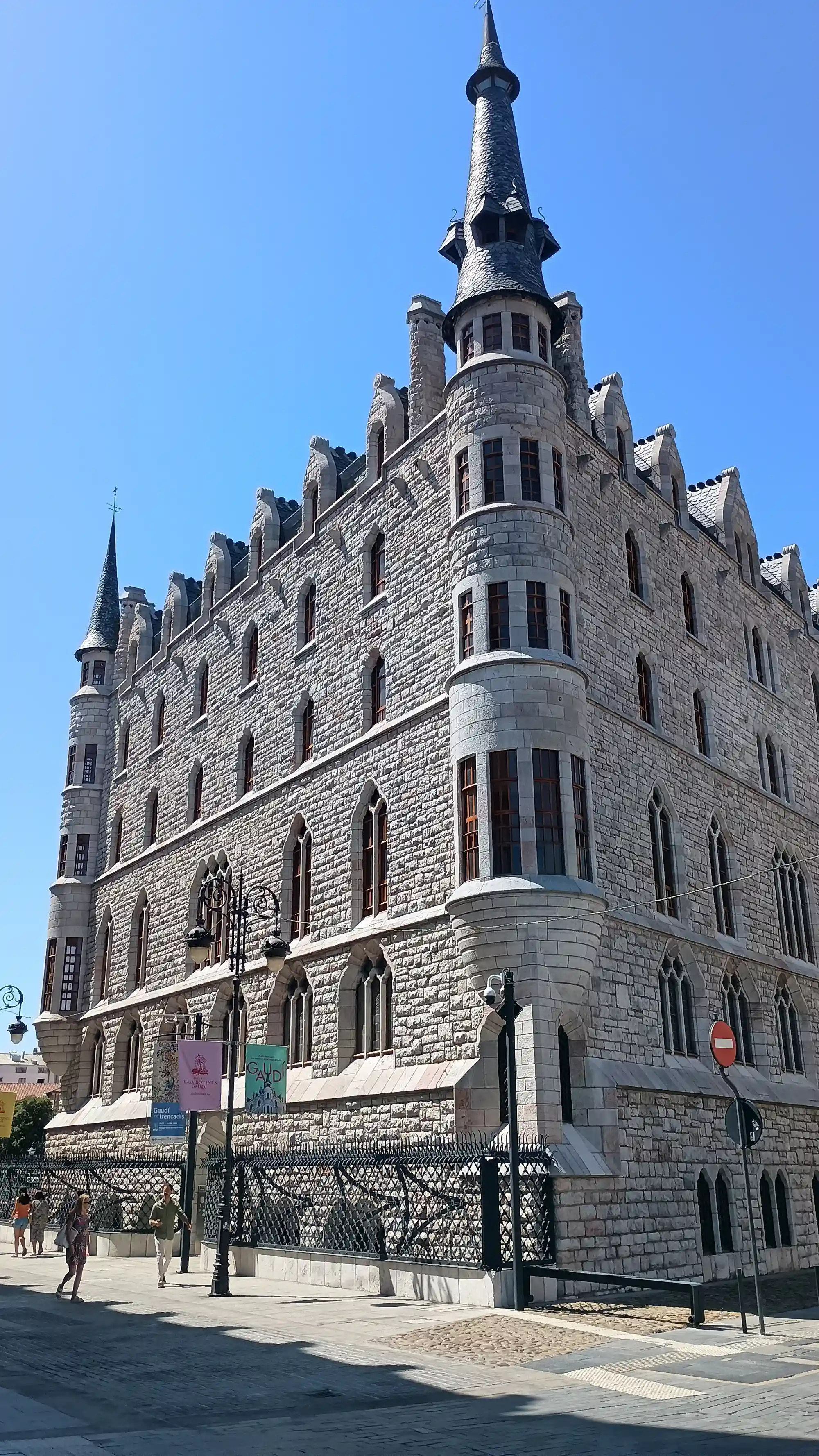
Casa Botínes
Atonín Gaudí was the architect of this building, and that's pretty much it's claim to fame. It's not nearly as spectacular or exaggerated as the Sagrada Familia church or his other work in Barcelona but given it was orginally businesses and apartments I guess that's appropriate. The museum is one of those here's a bunch of the old stuff from the building with a few rooms made up to look historically accurate
type places, with plenty of history that only a Gaudí groupie would appreciate, so I was prepared to walk away completely nonplussed.
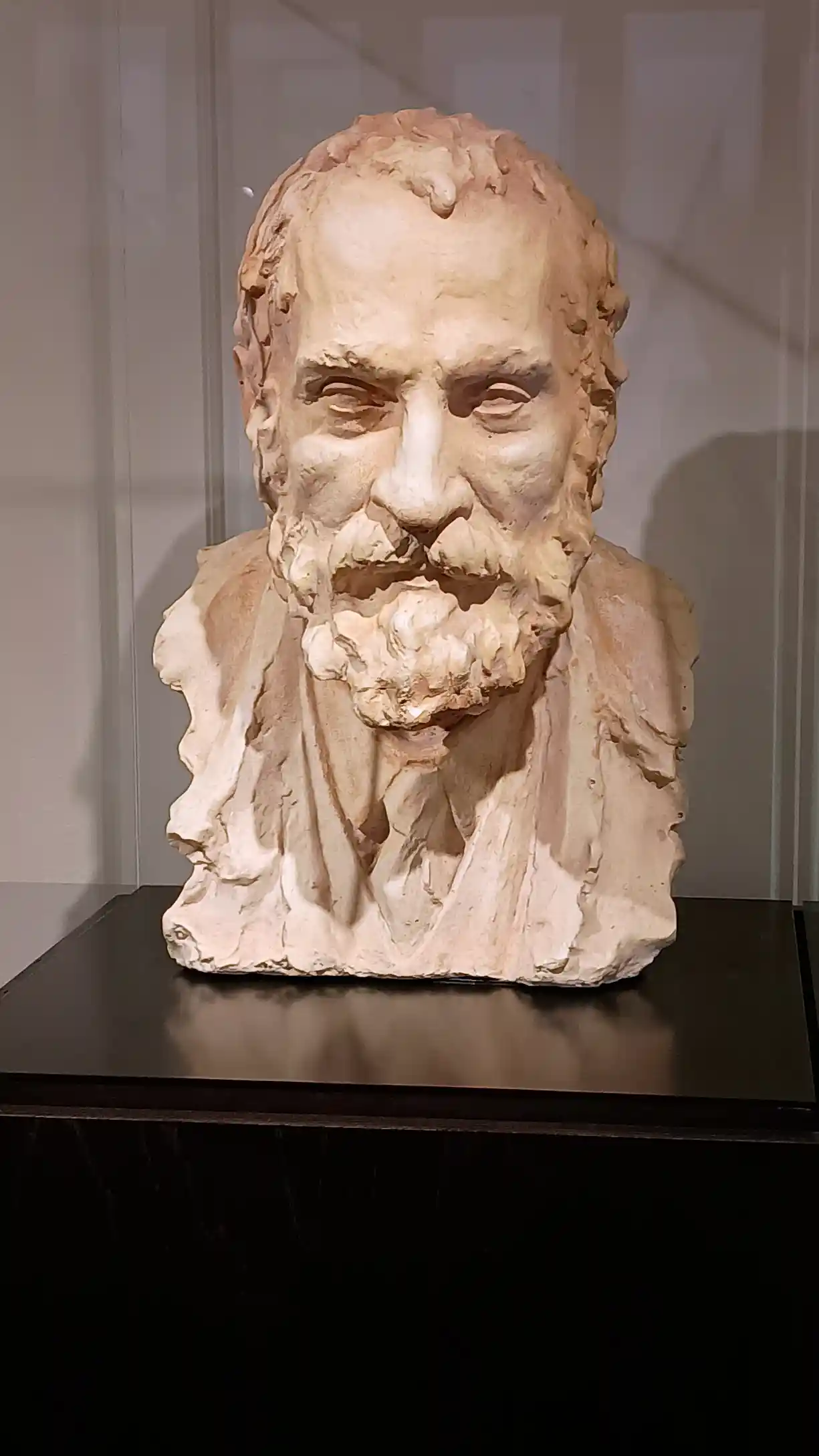
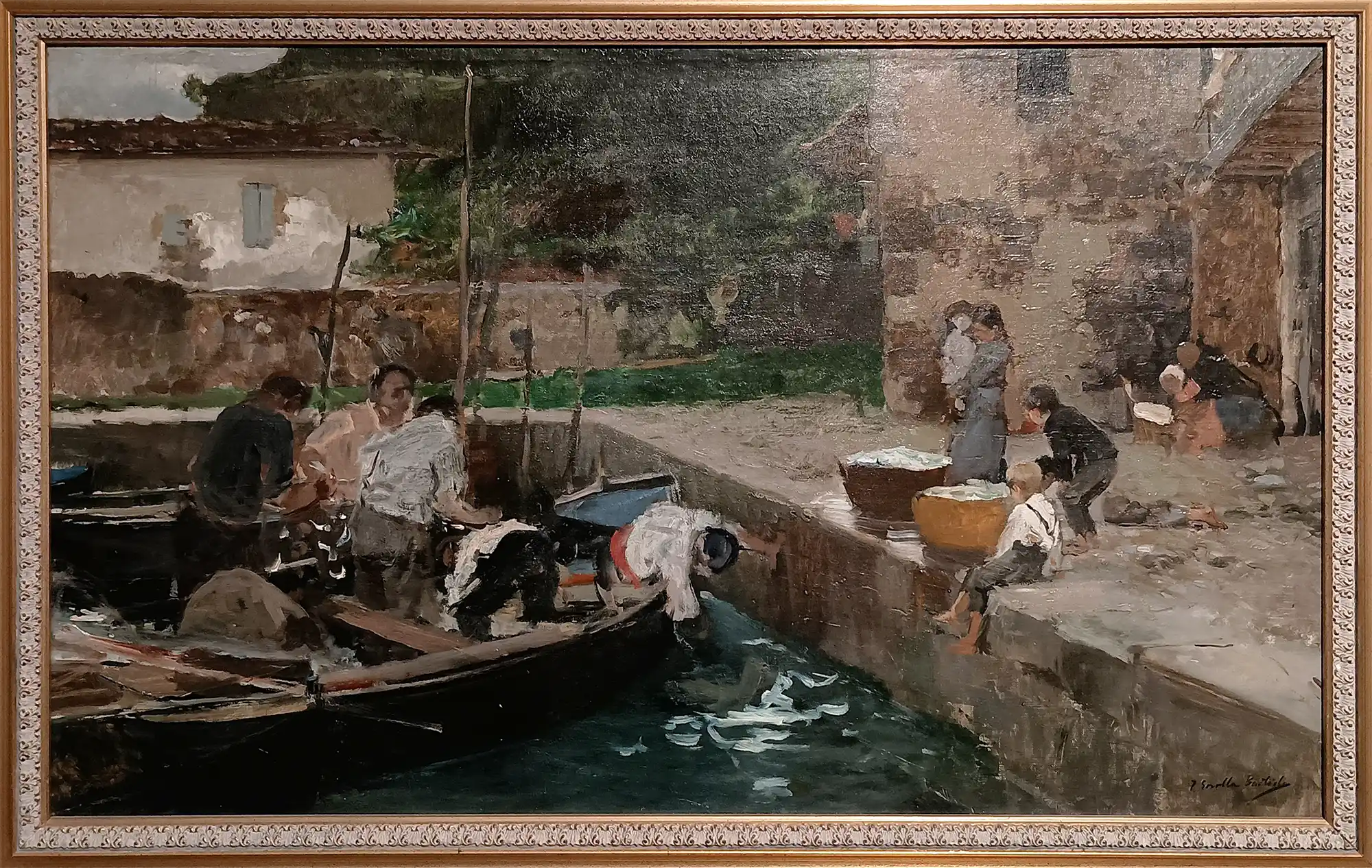
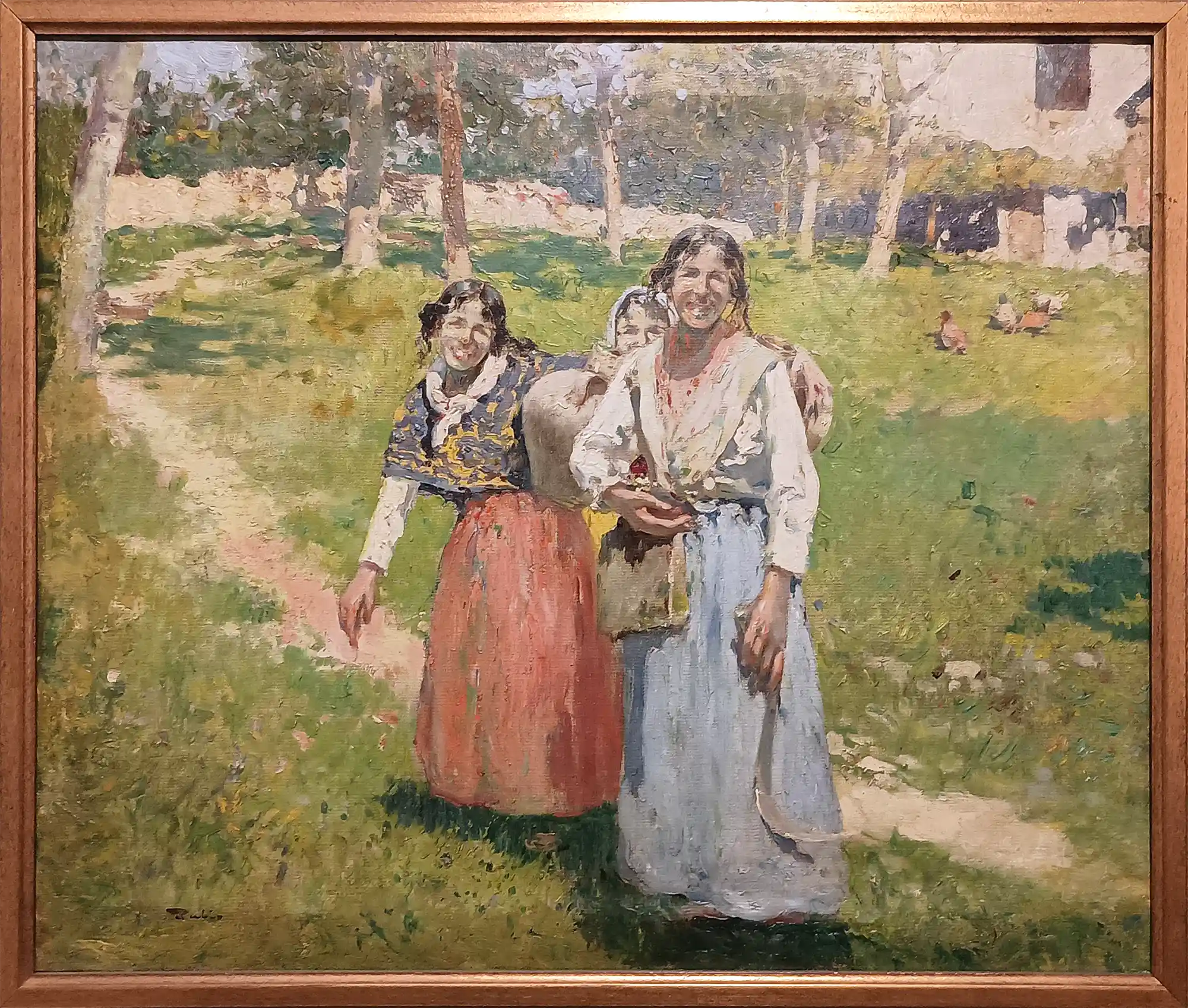
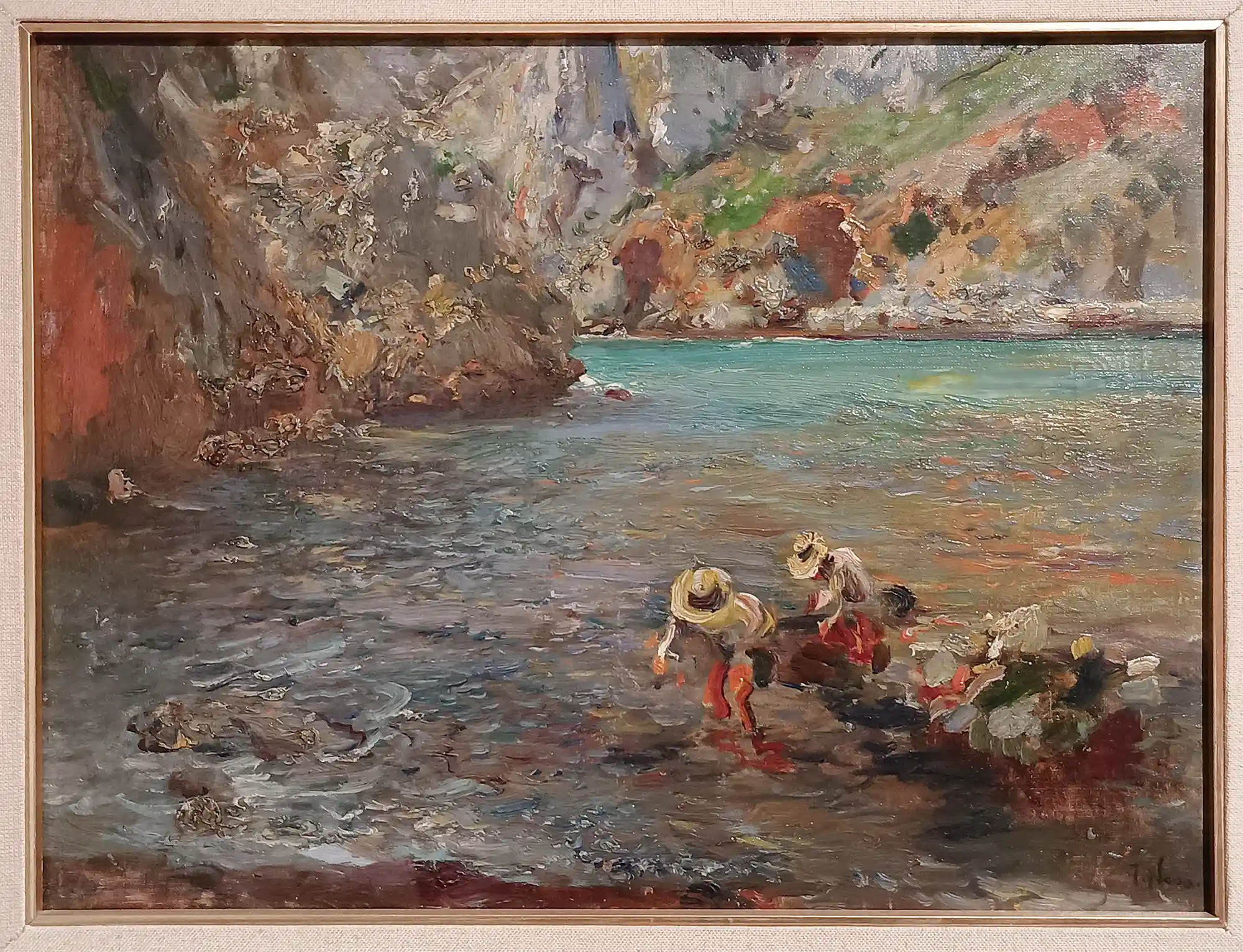
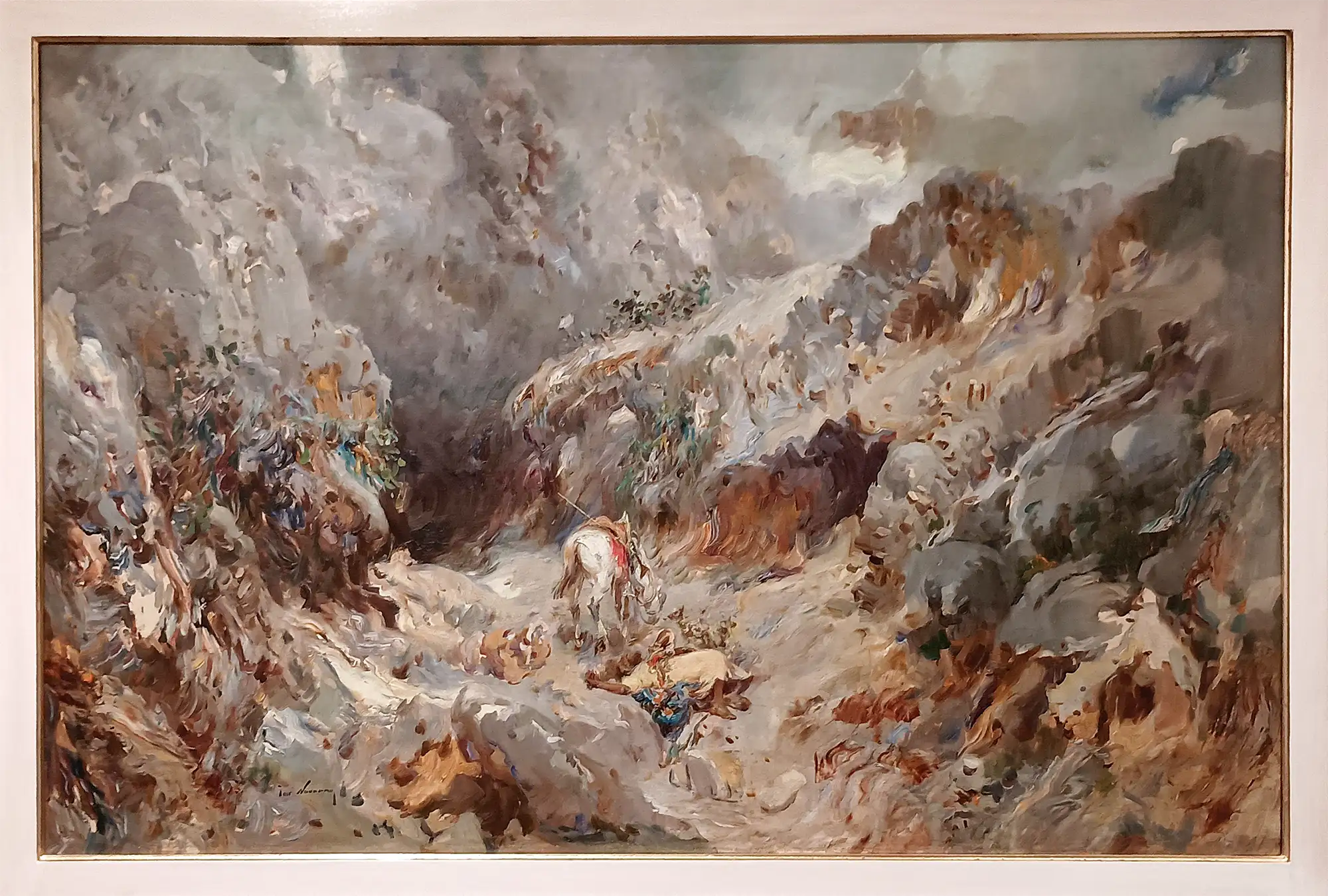
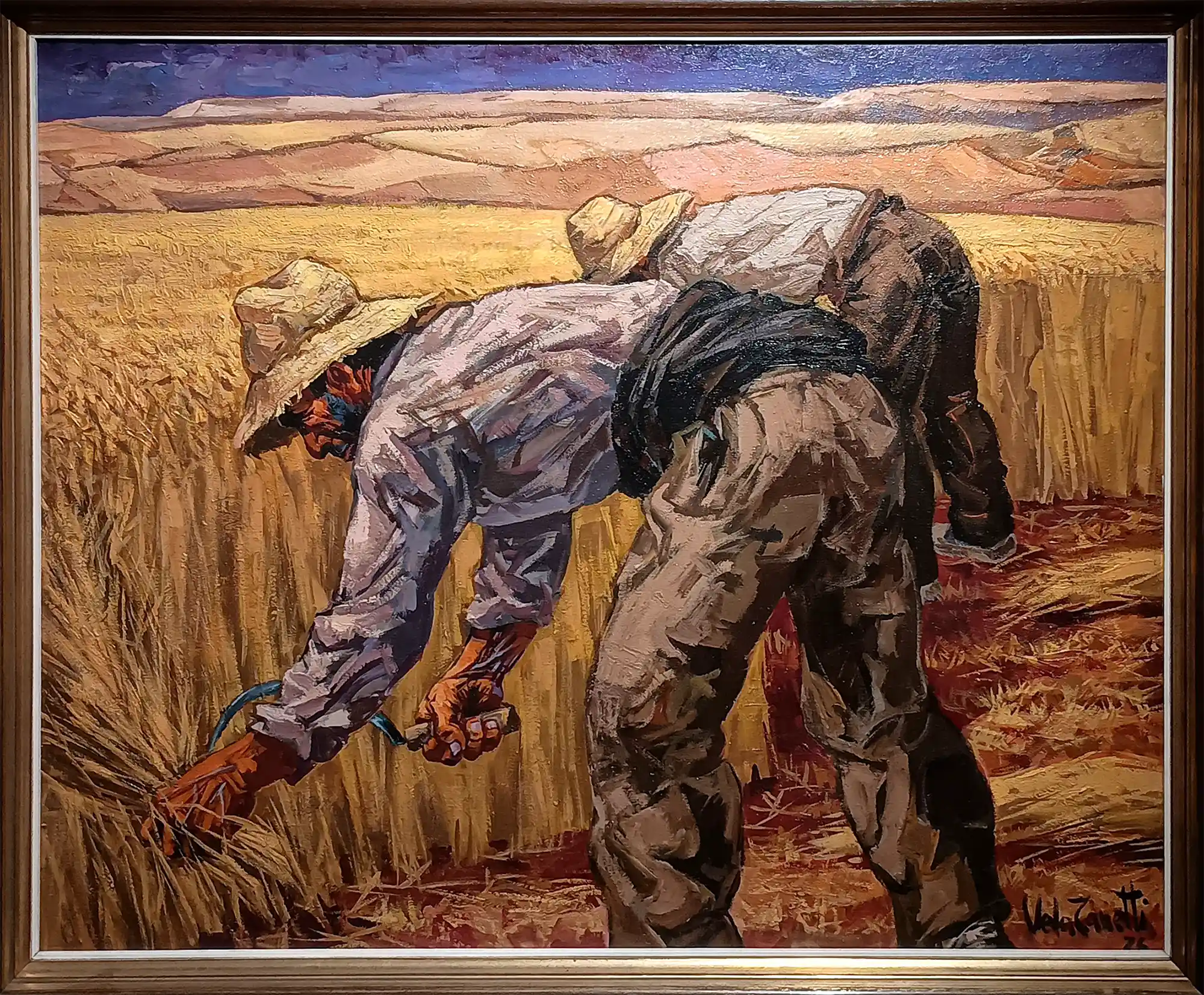
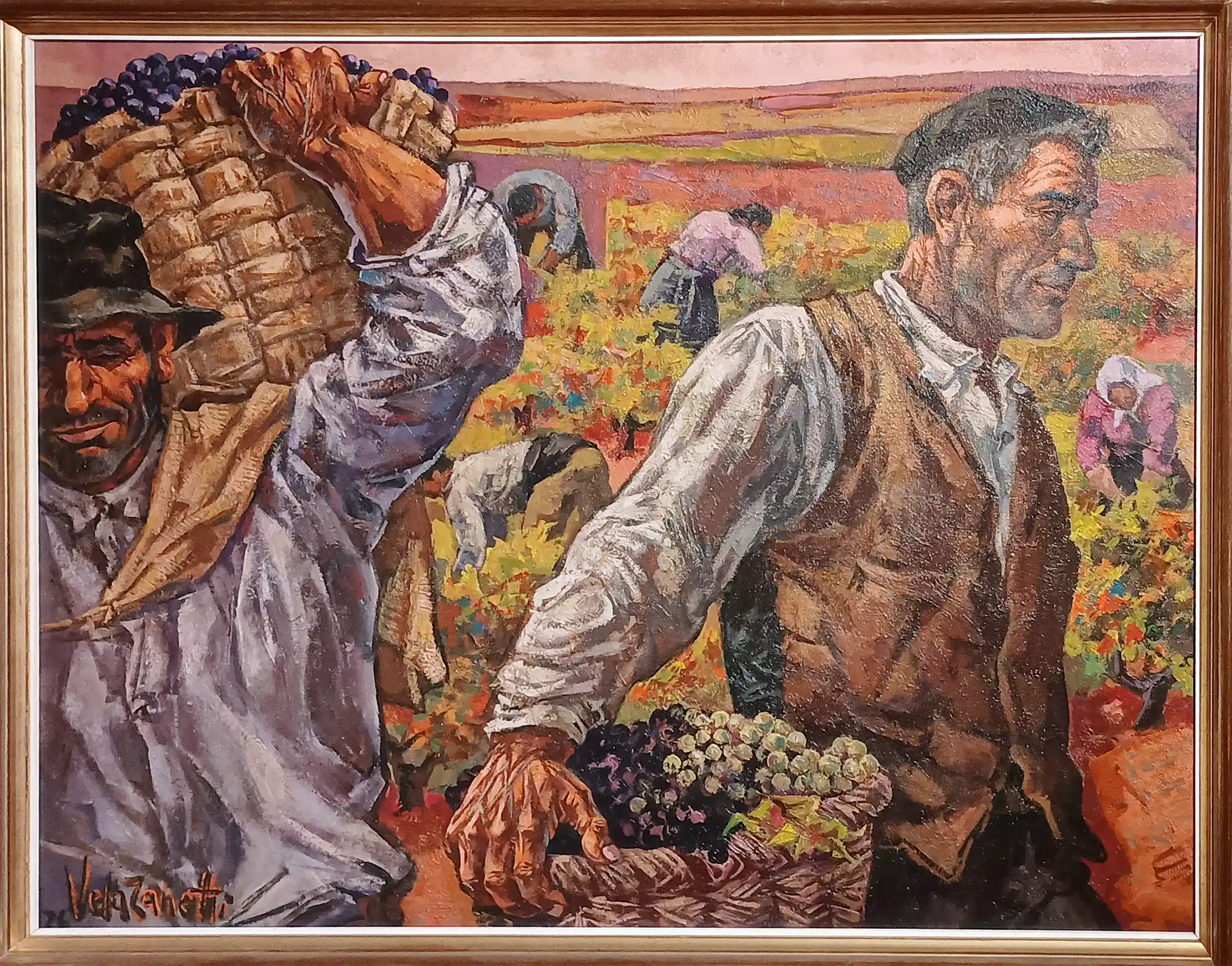
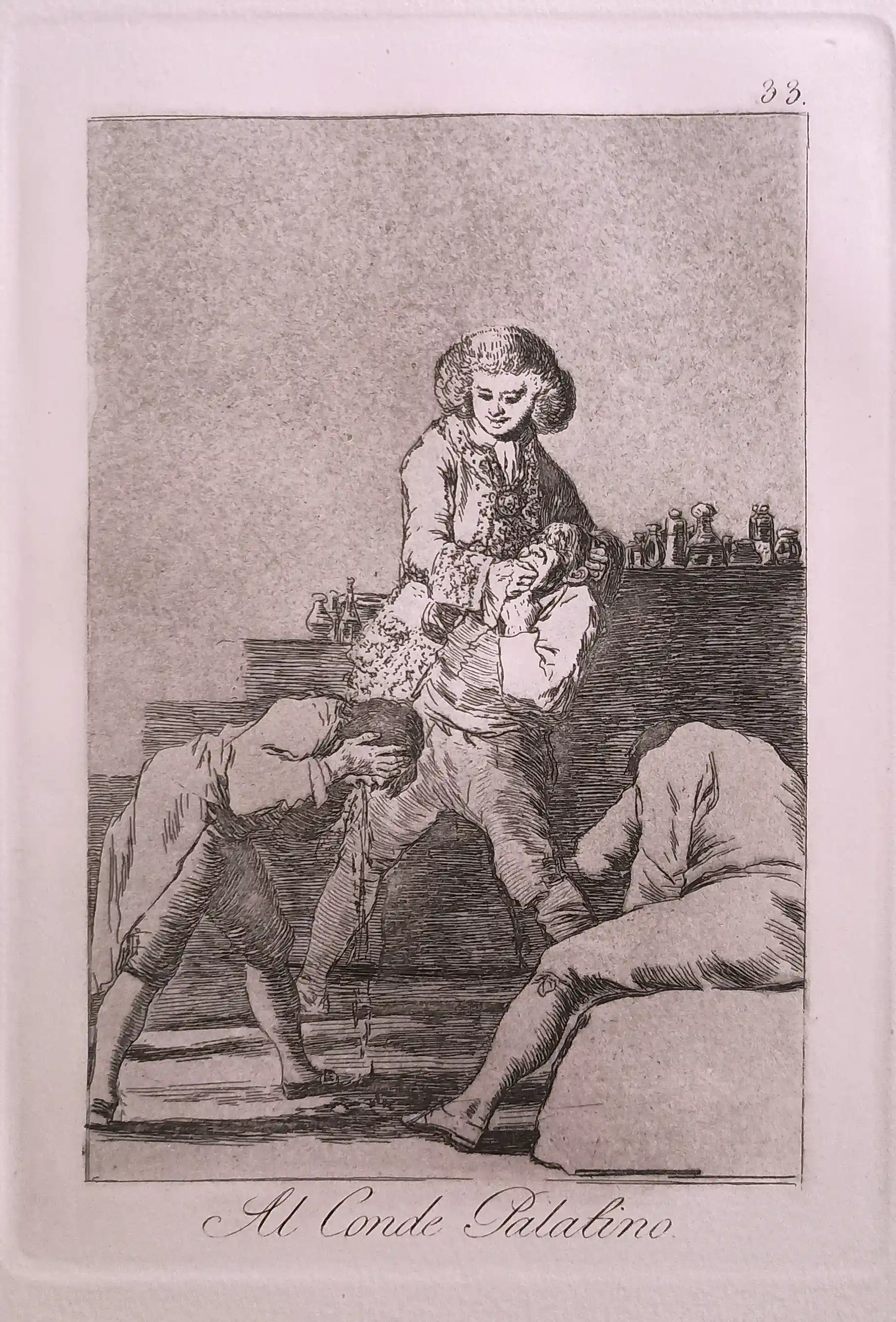
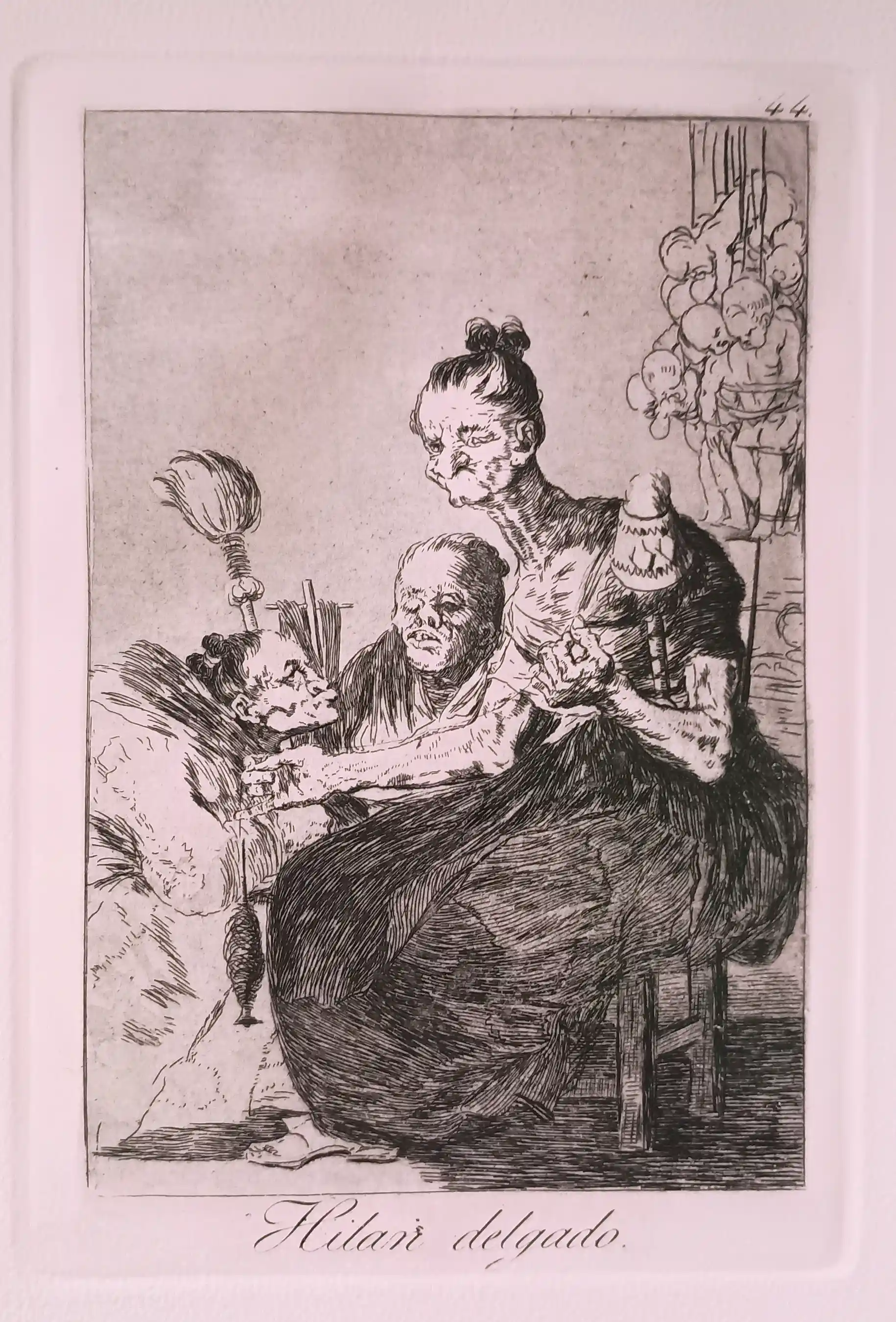
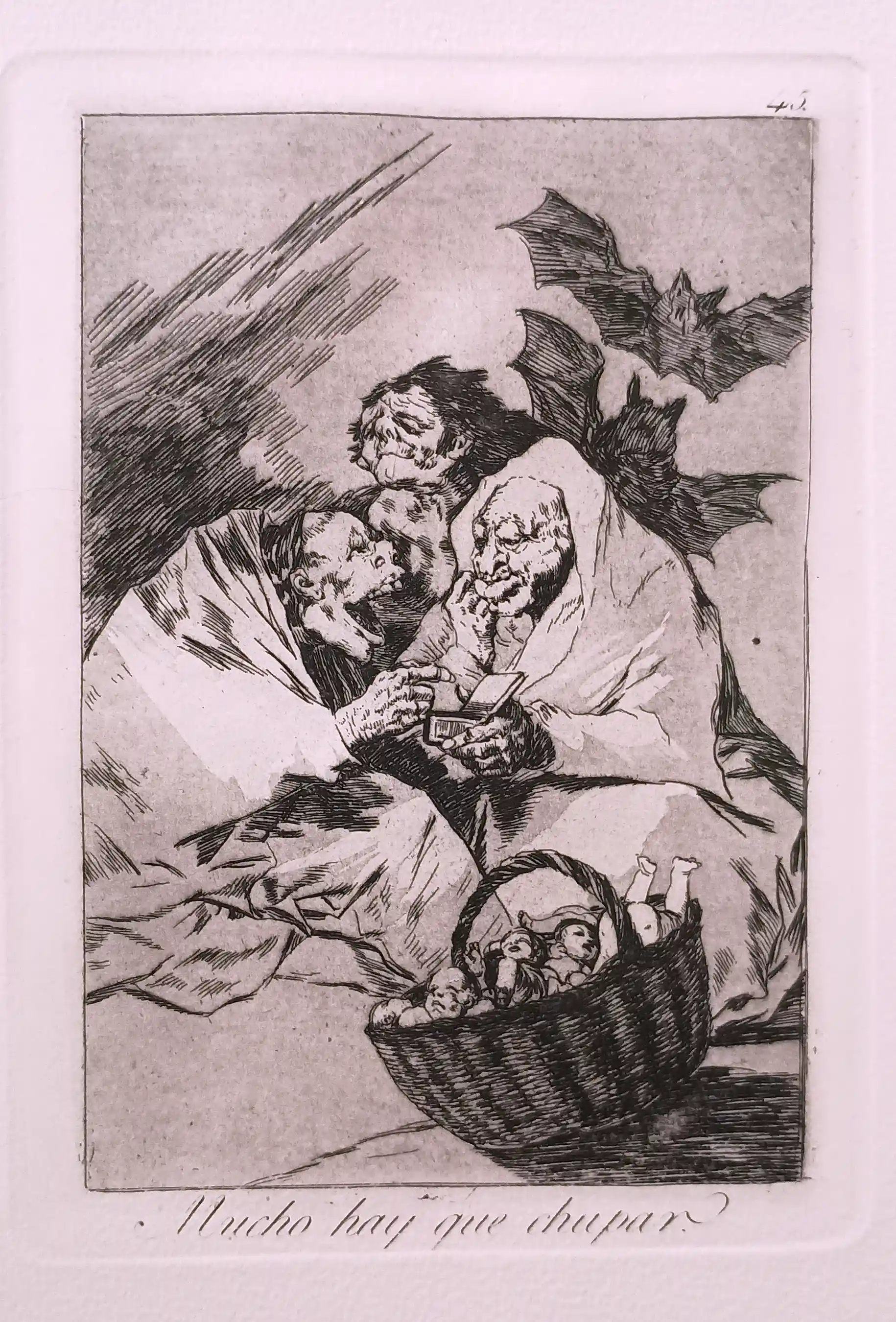
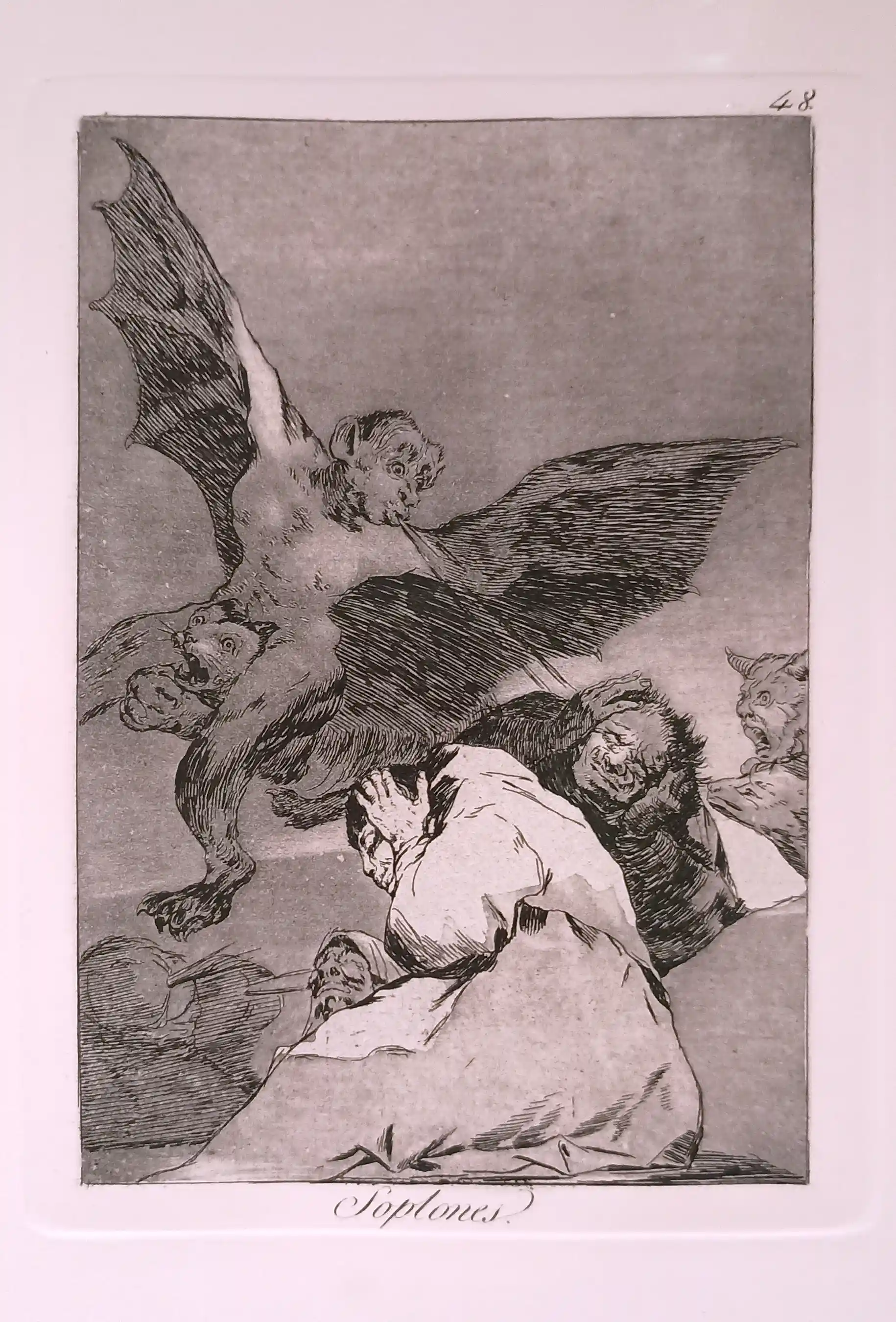
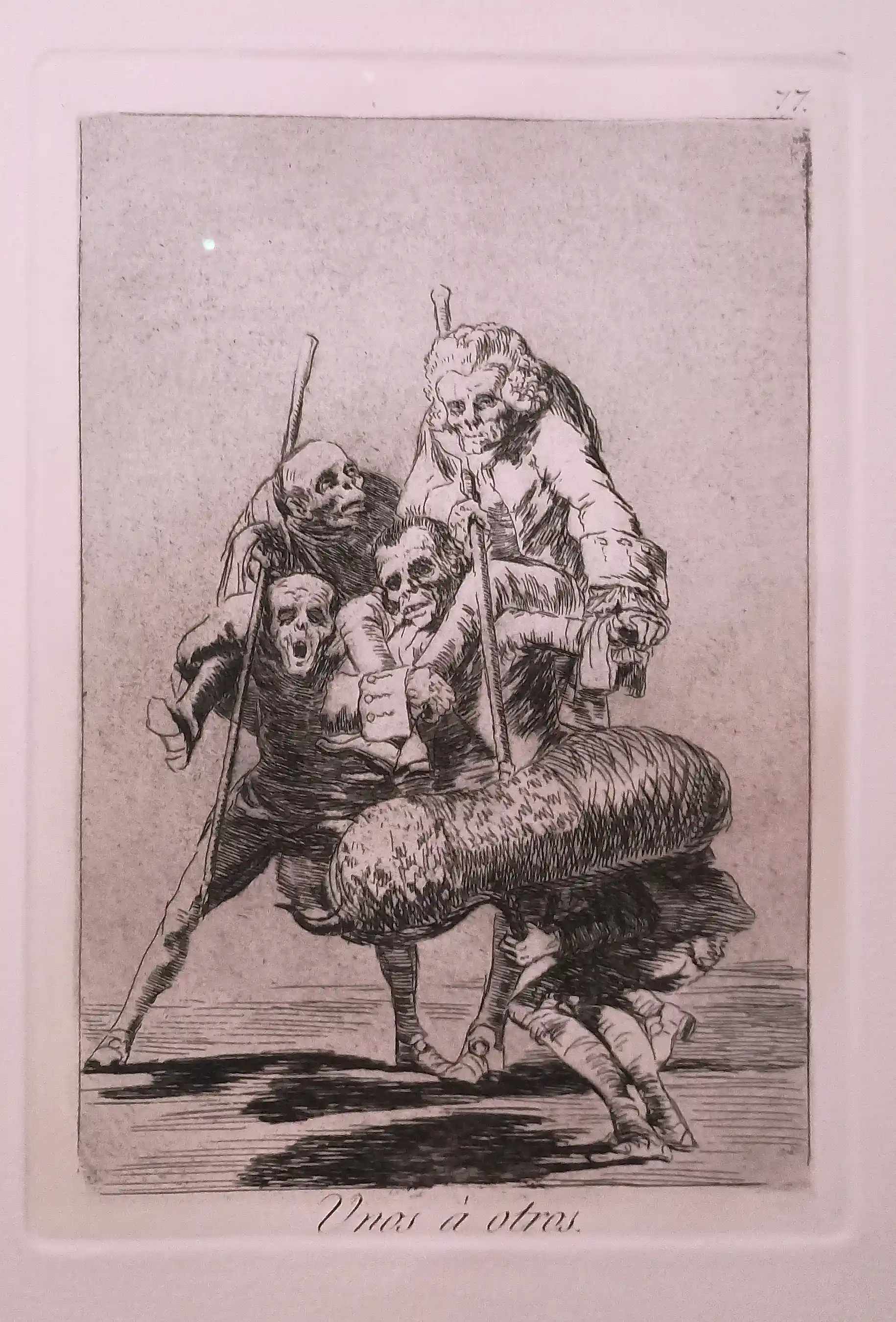
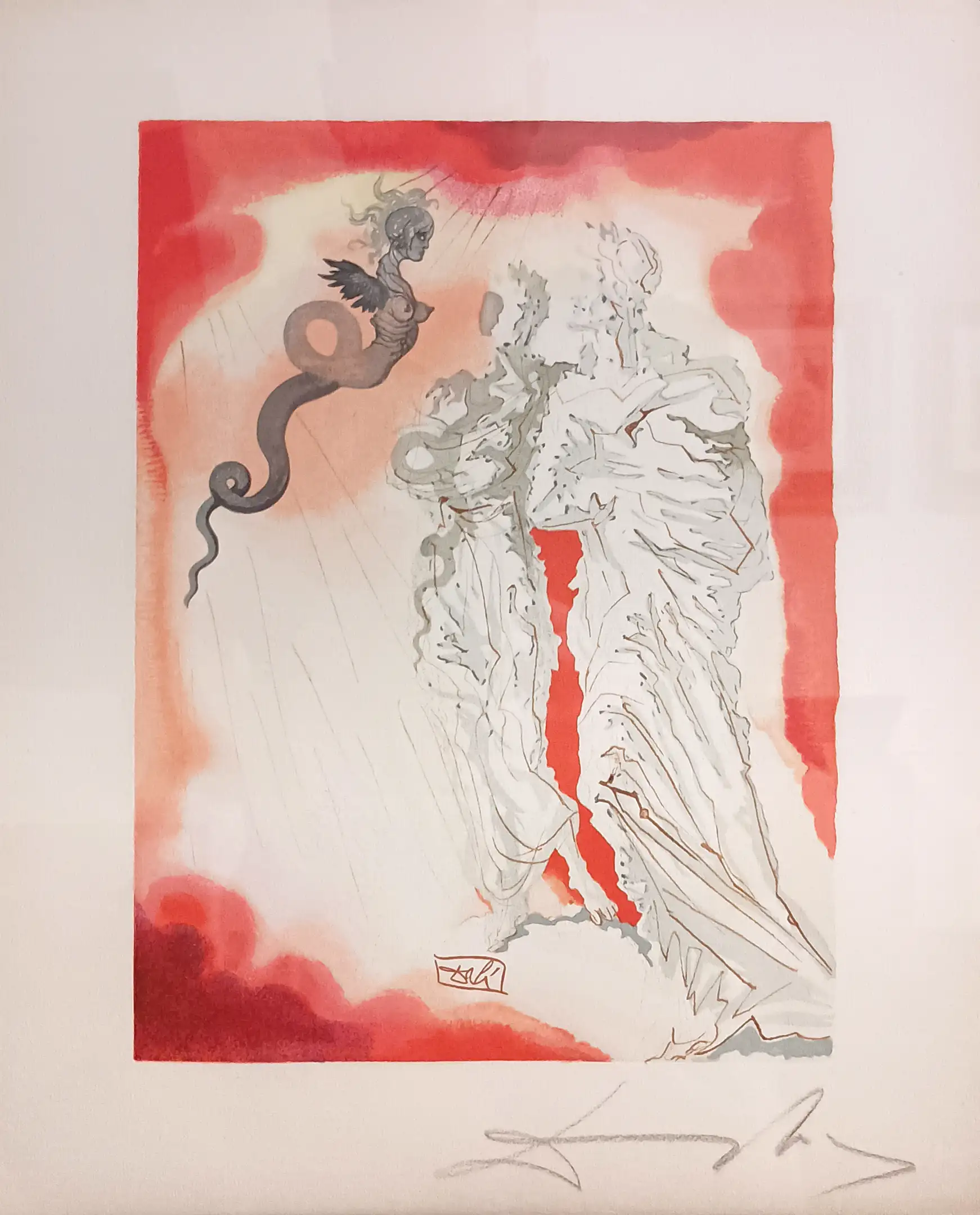
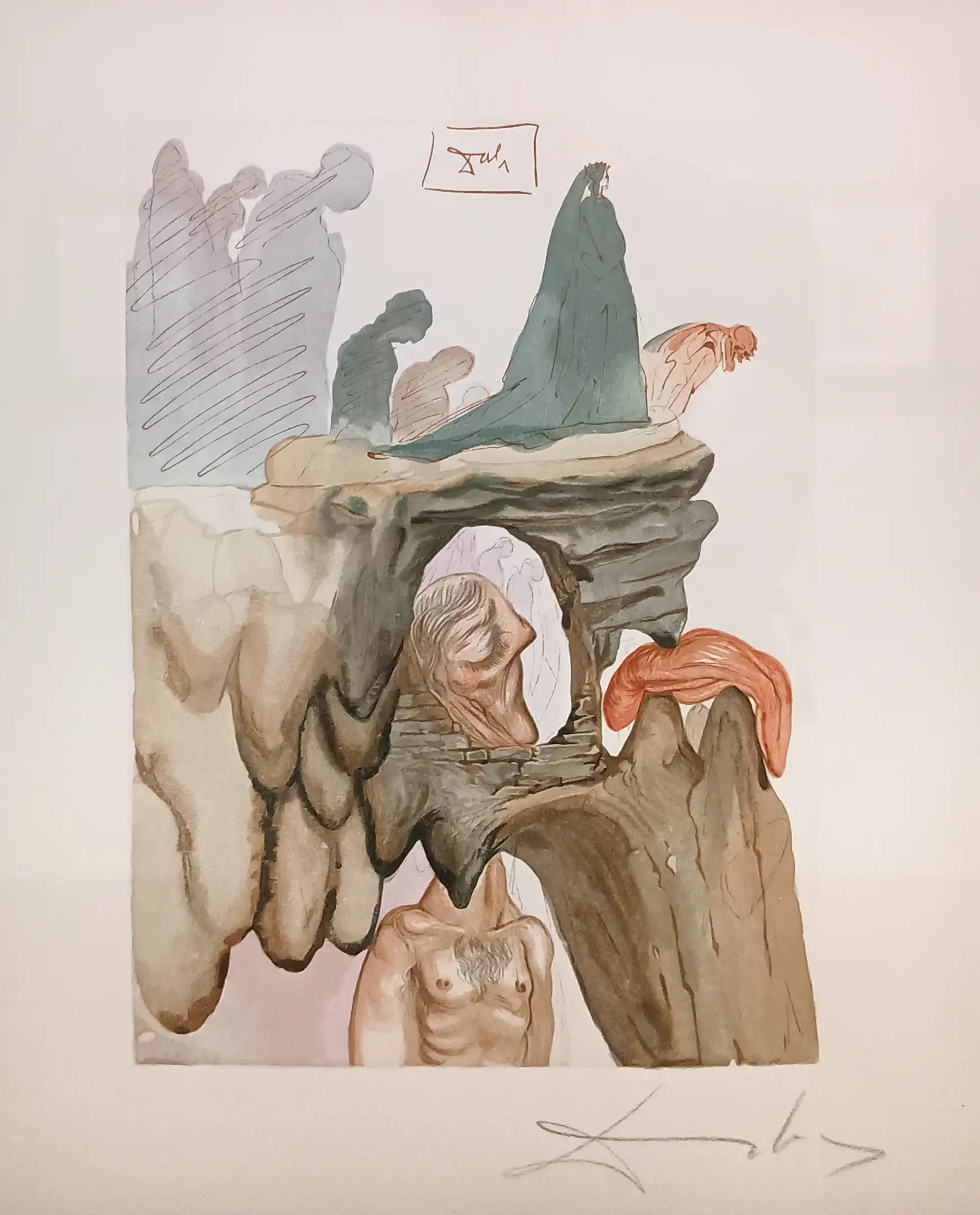
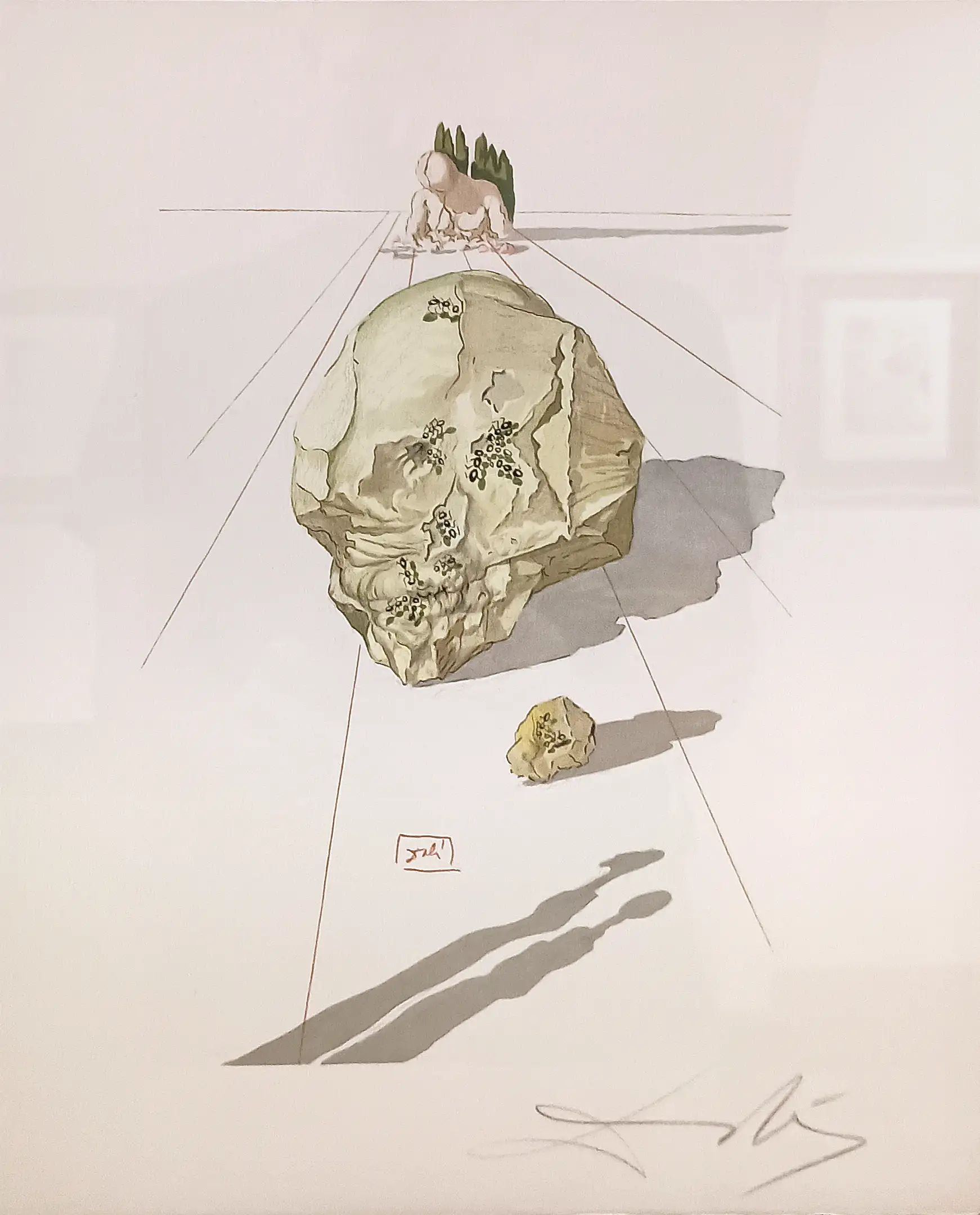
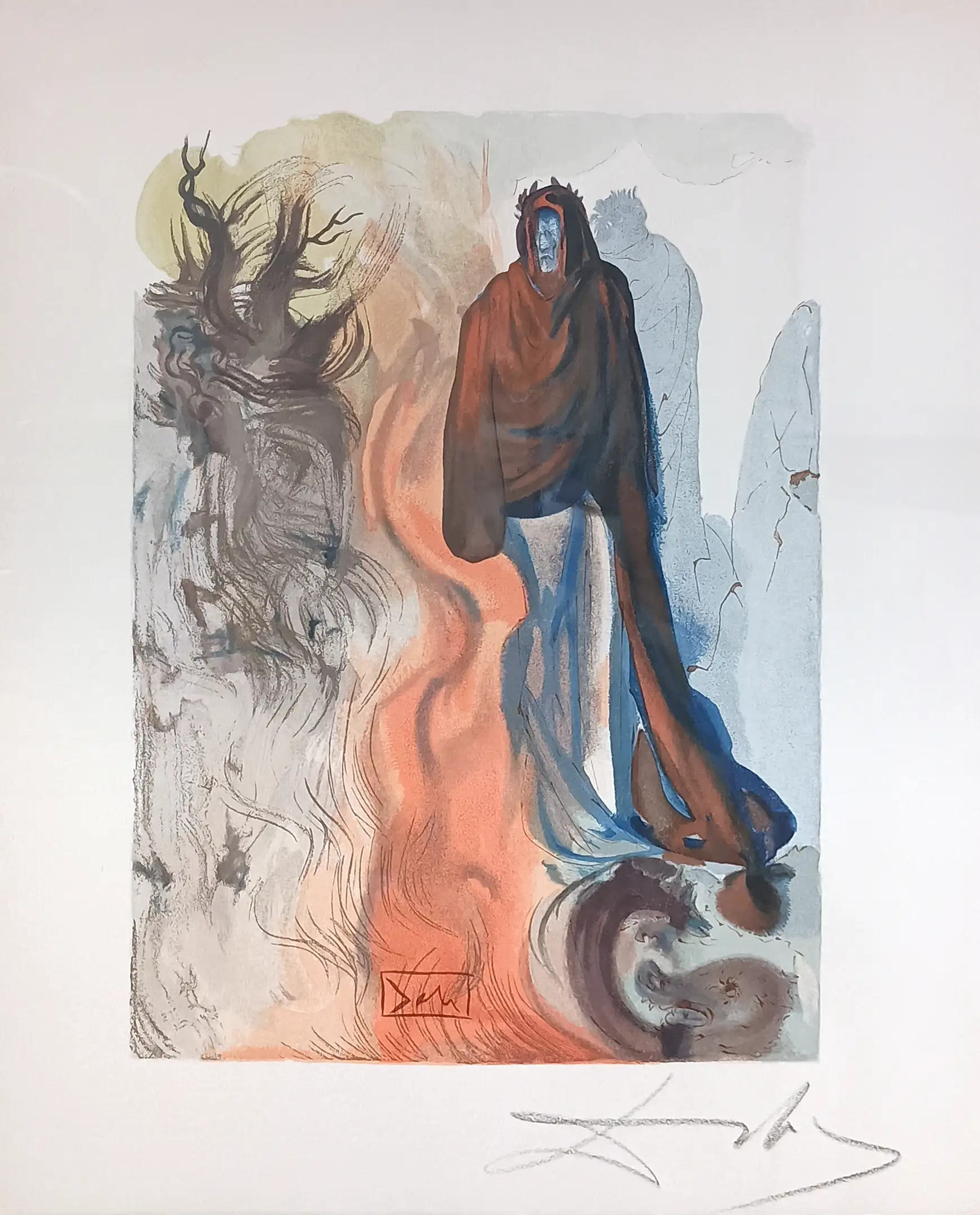
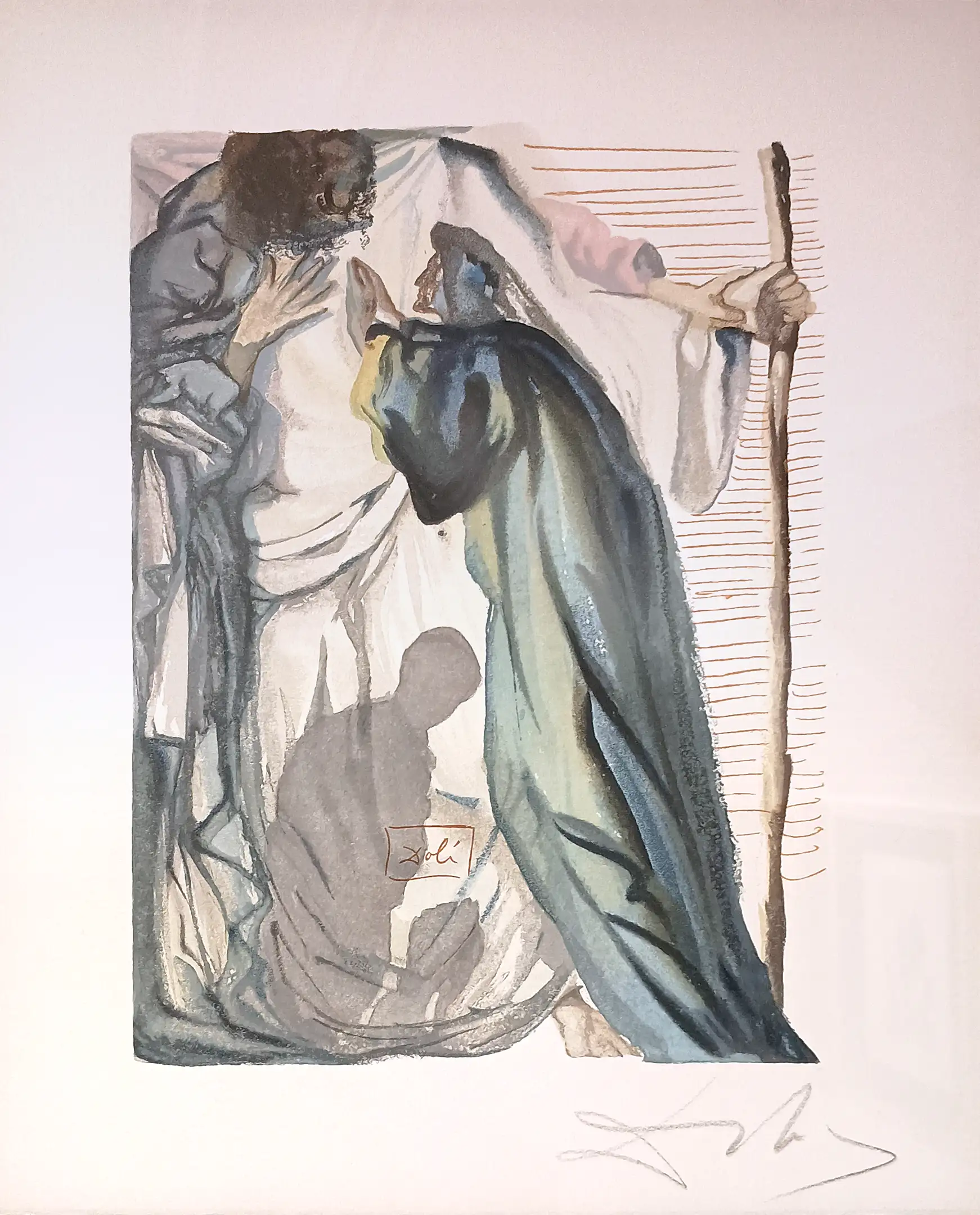
Then I got to the third floor and was pleasantly surprised. There you'll find a (full?) set of Goya's Caprices, a bunch of Dali's watercolor studies for illustrations for the Divine Comedy, and a small collection of some pretty nice paintings, both older and modern. Finally I got to see some art!
Goya's Caprichos (Caprices)
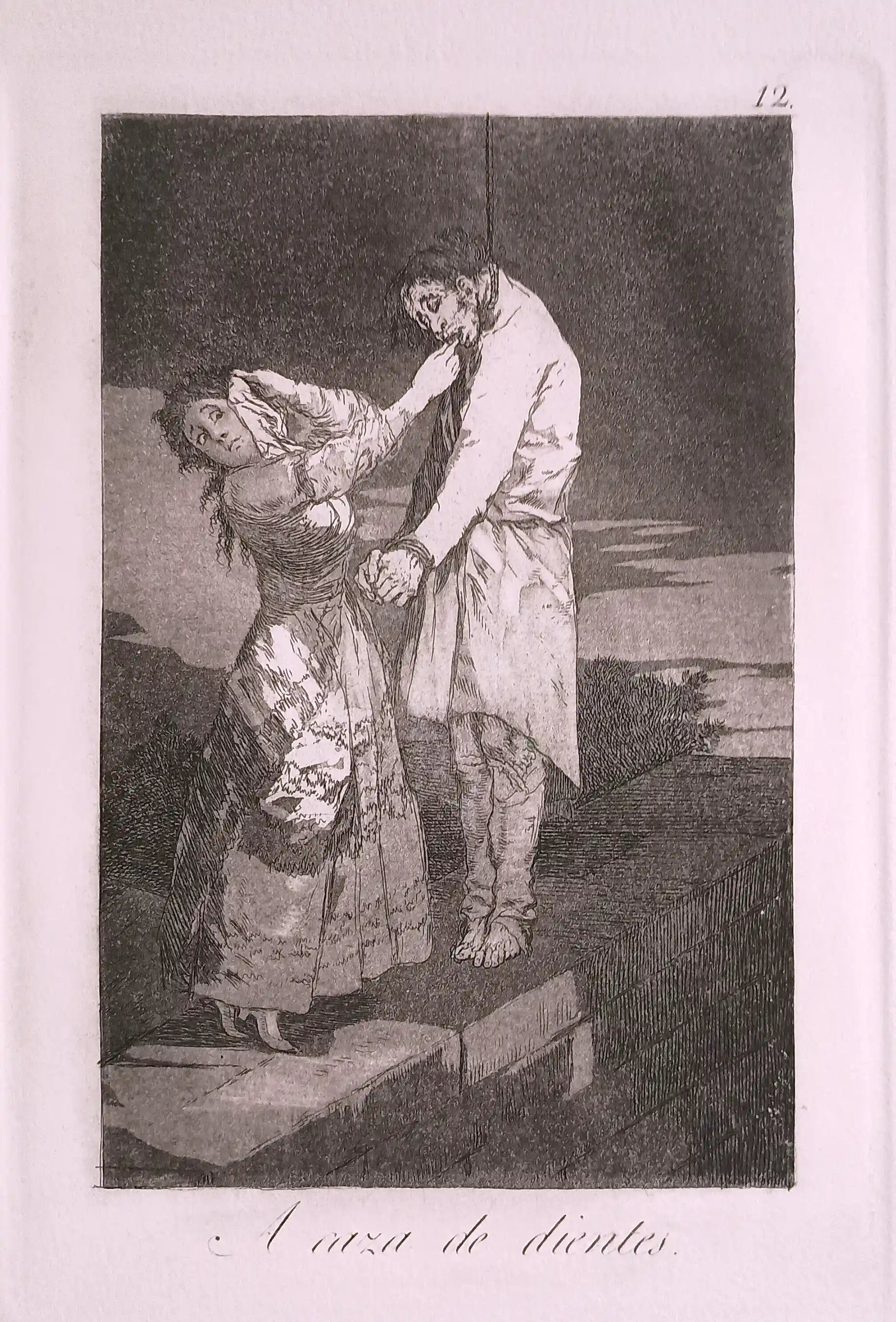
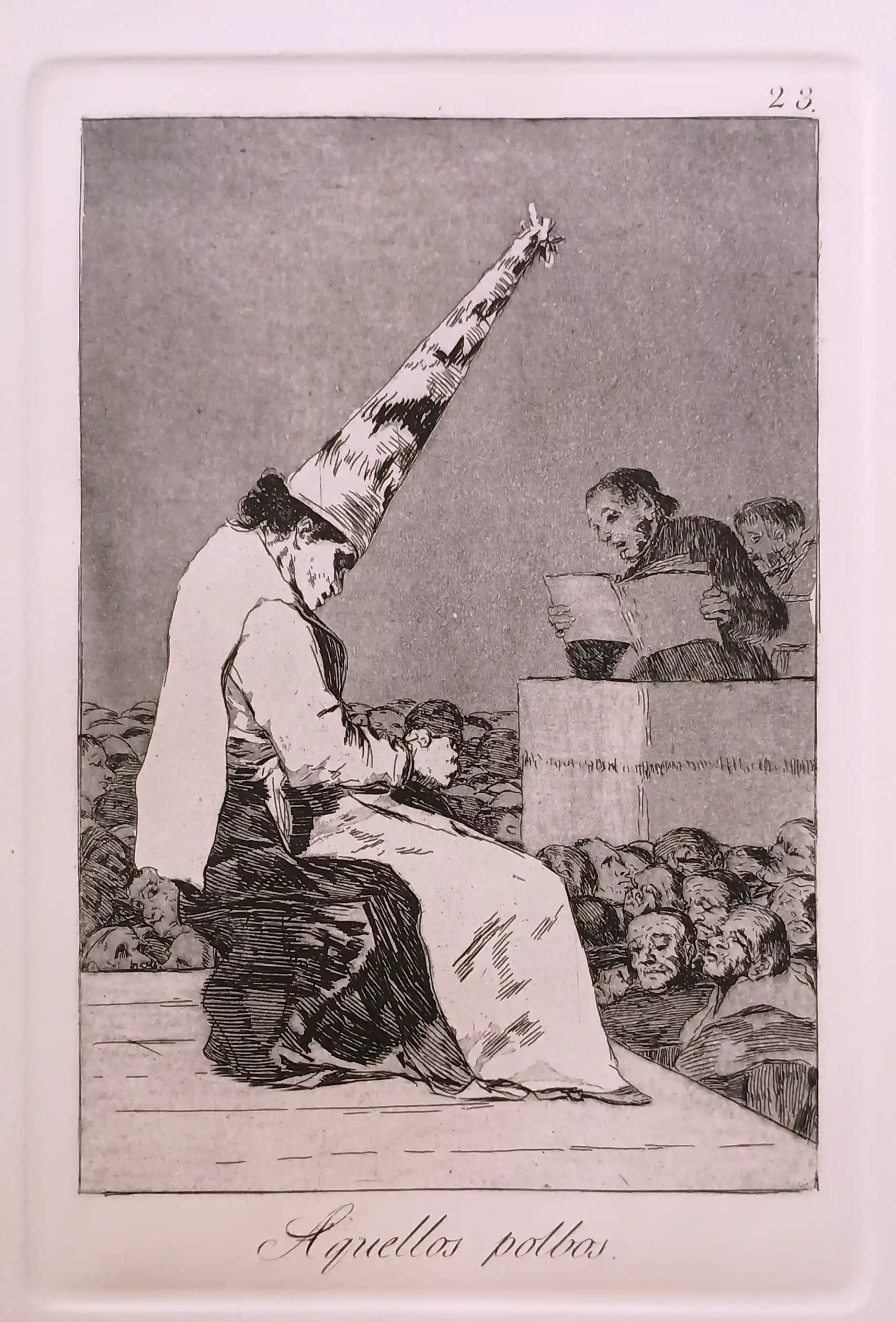
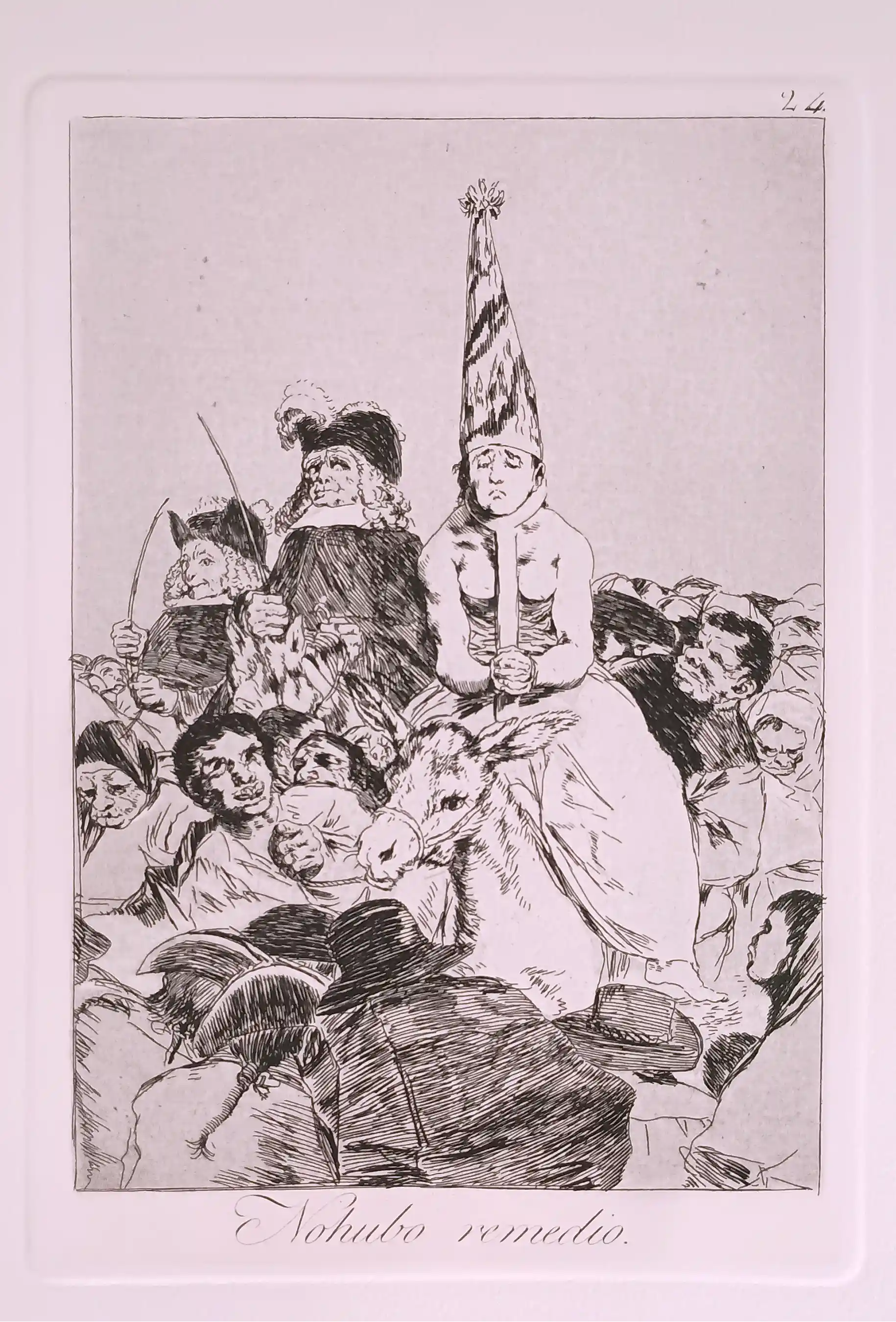
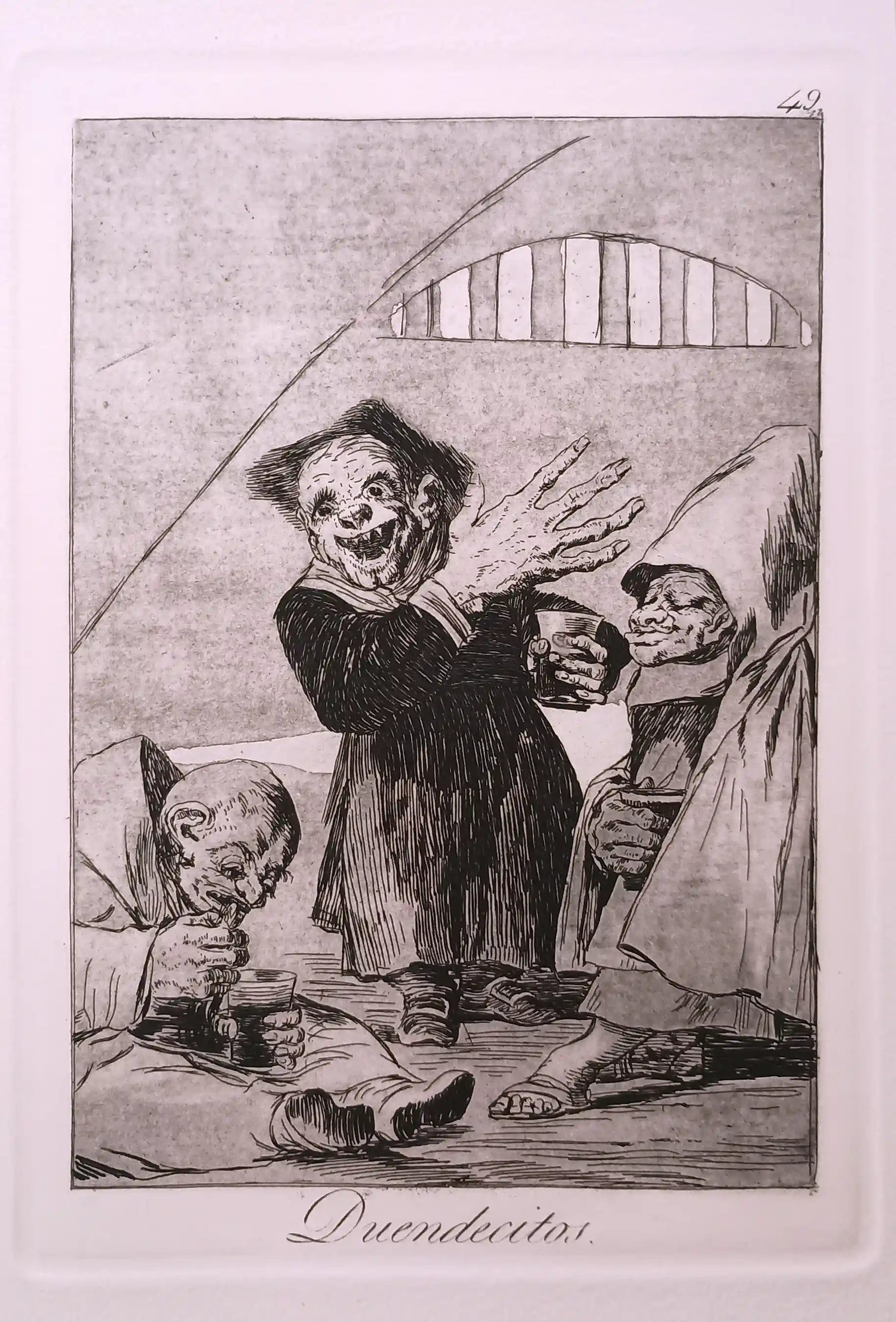
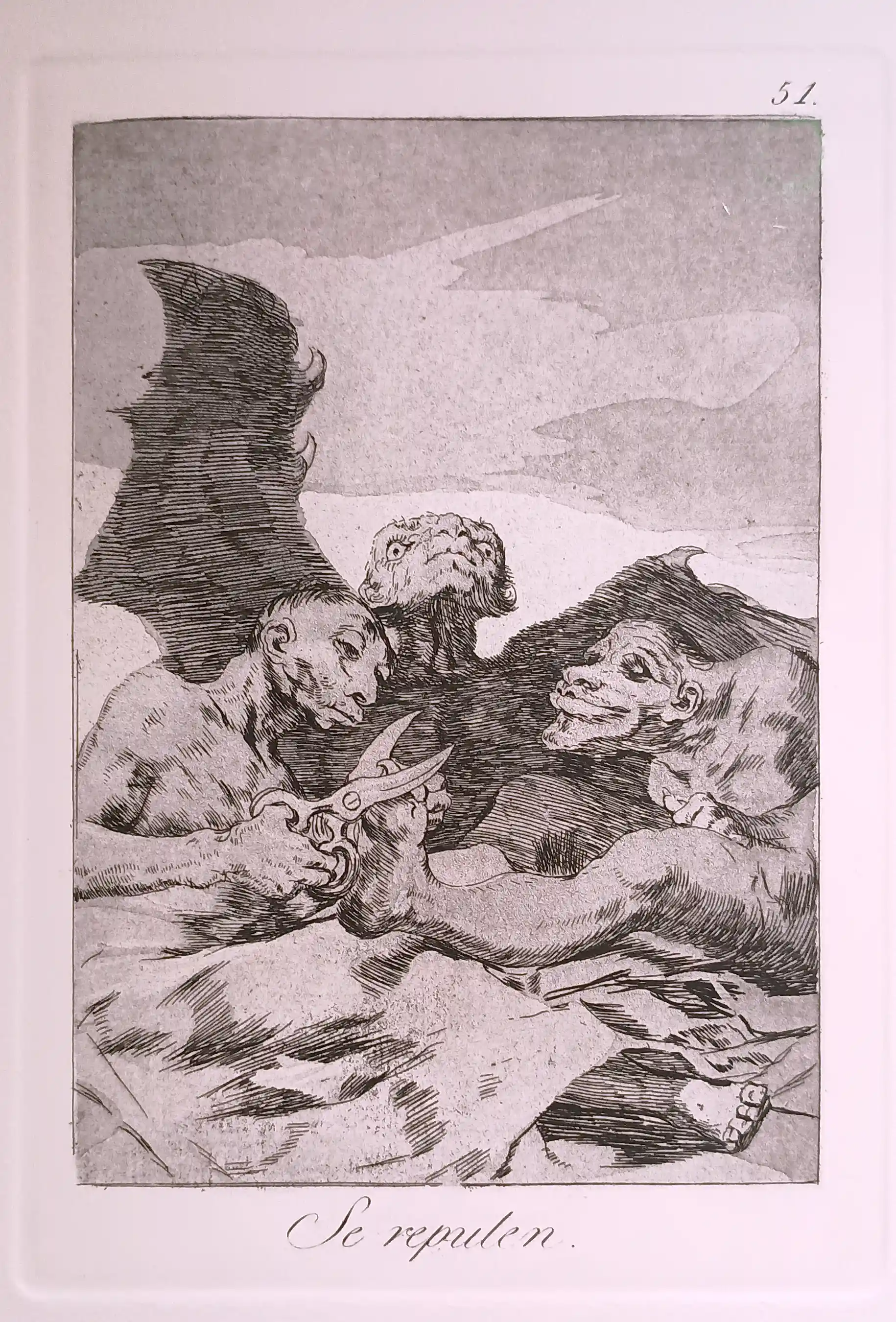
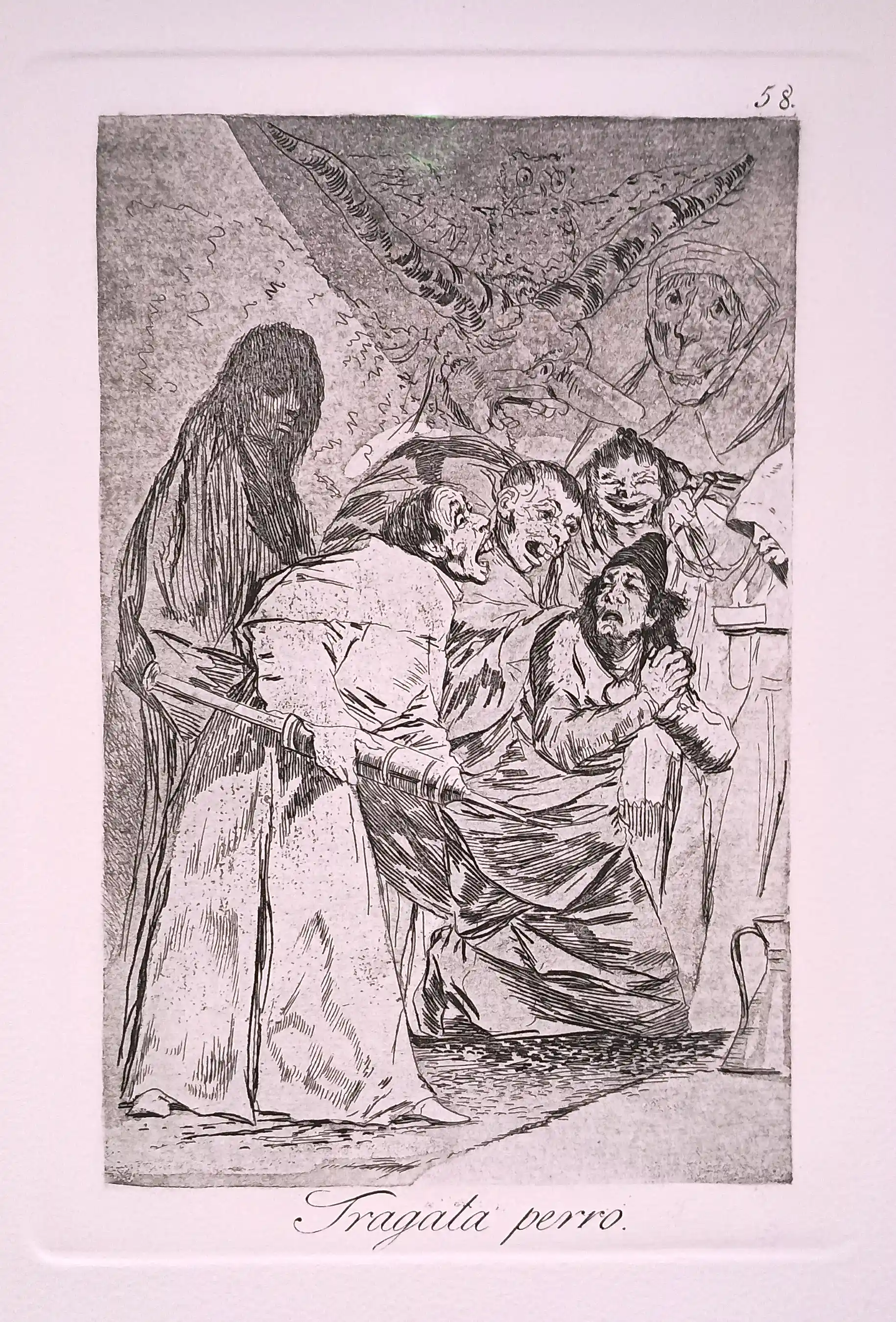
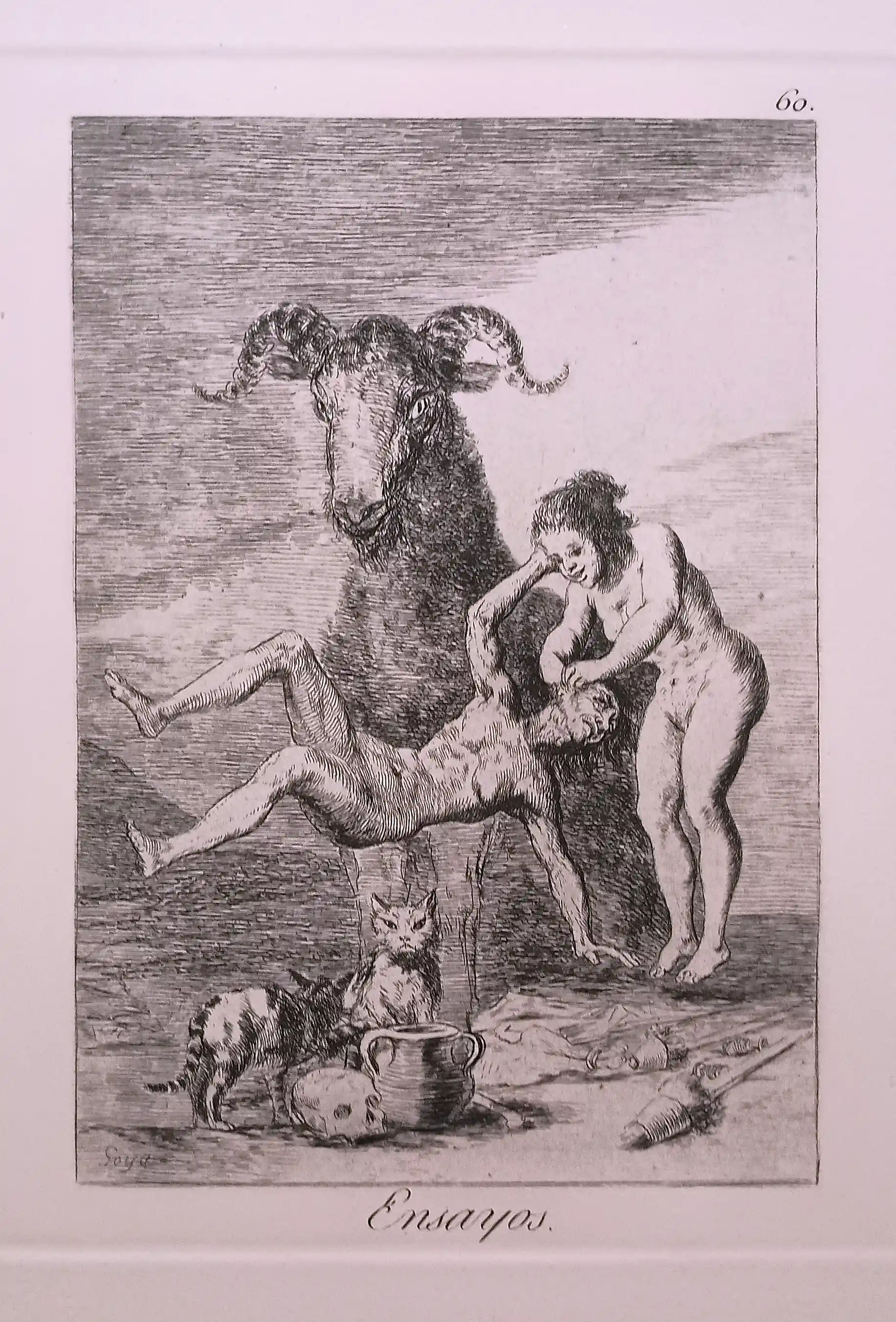
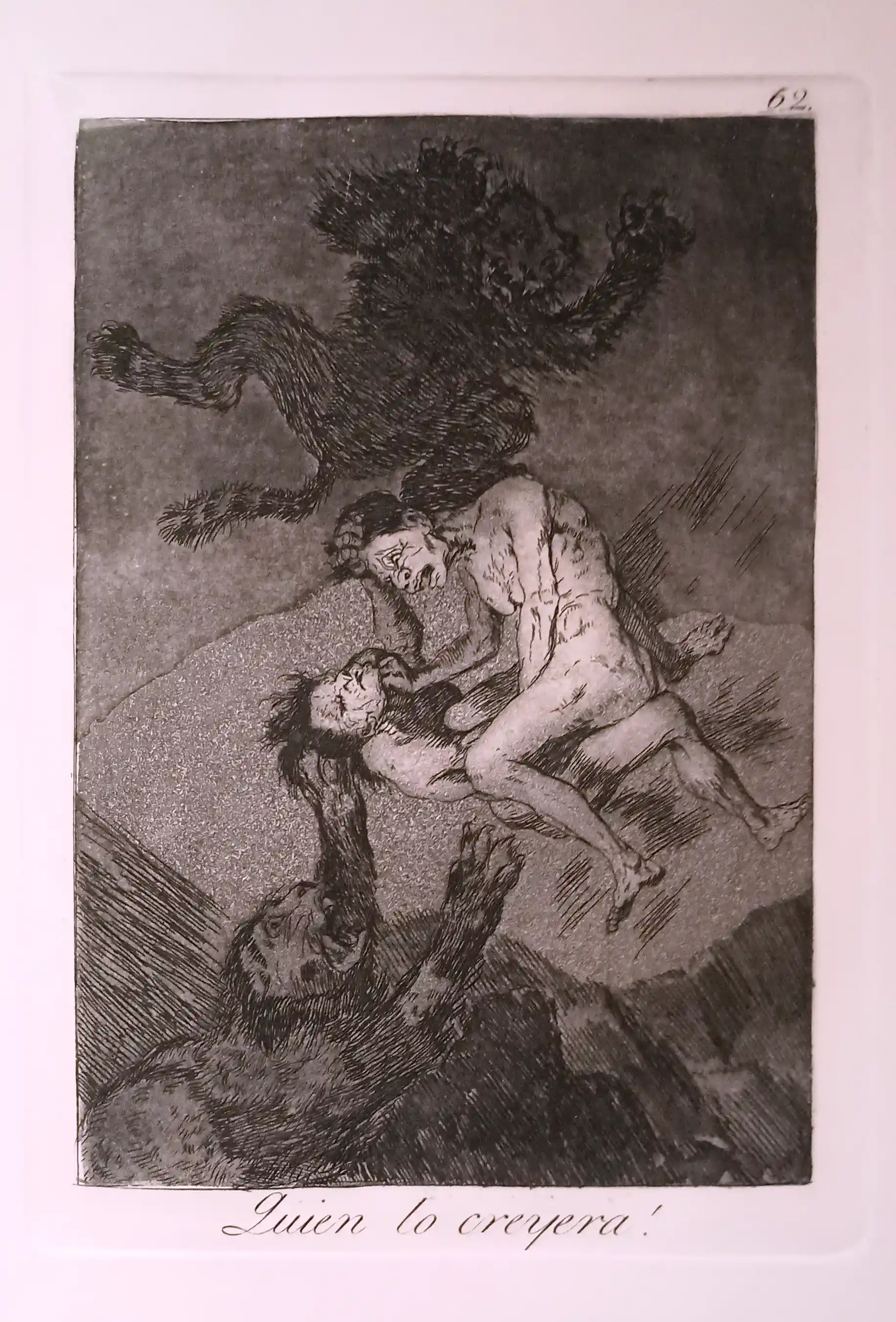
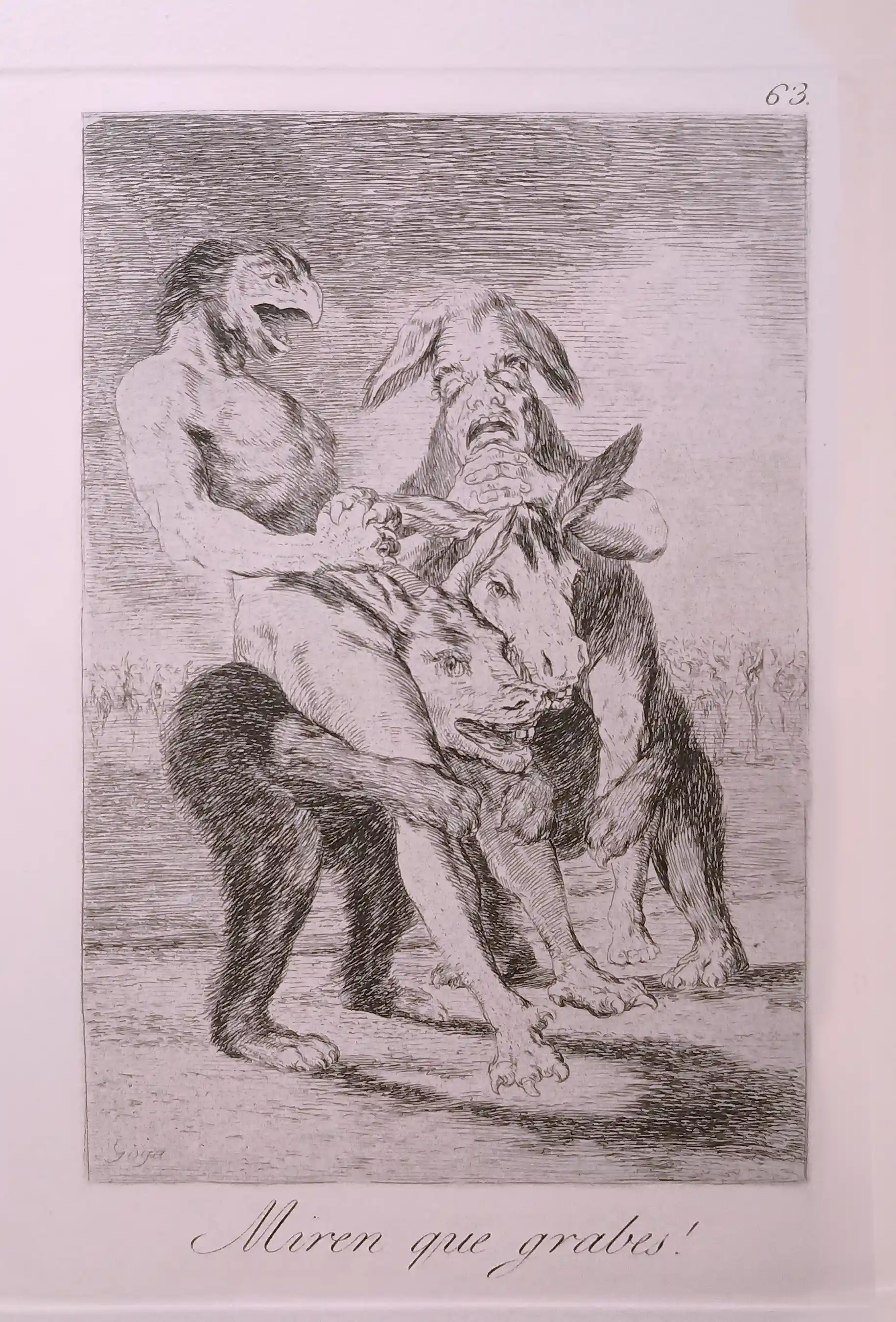
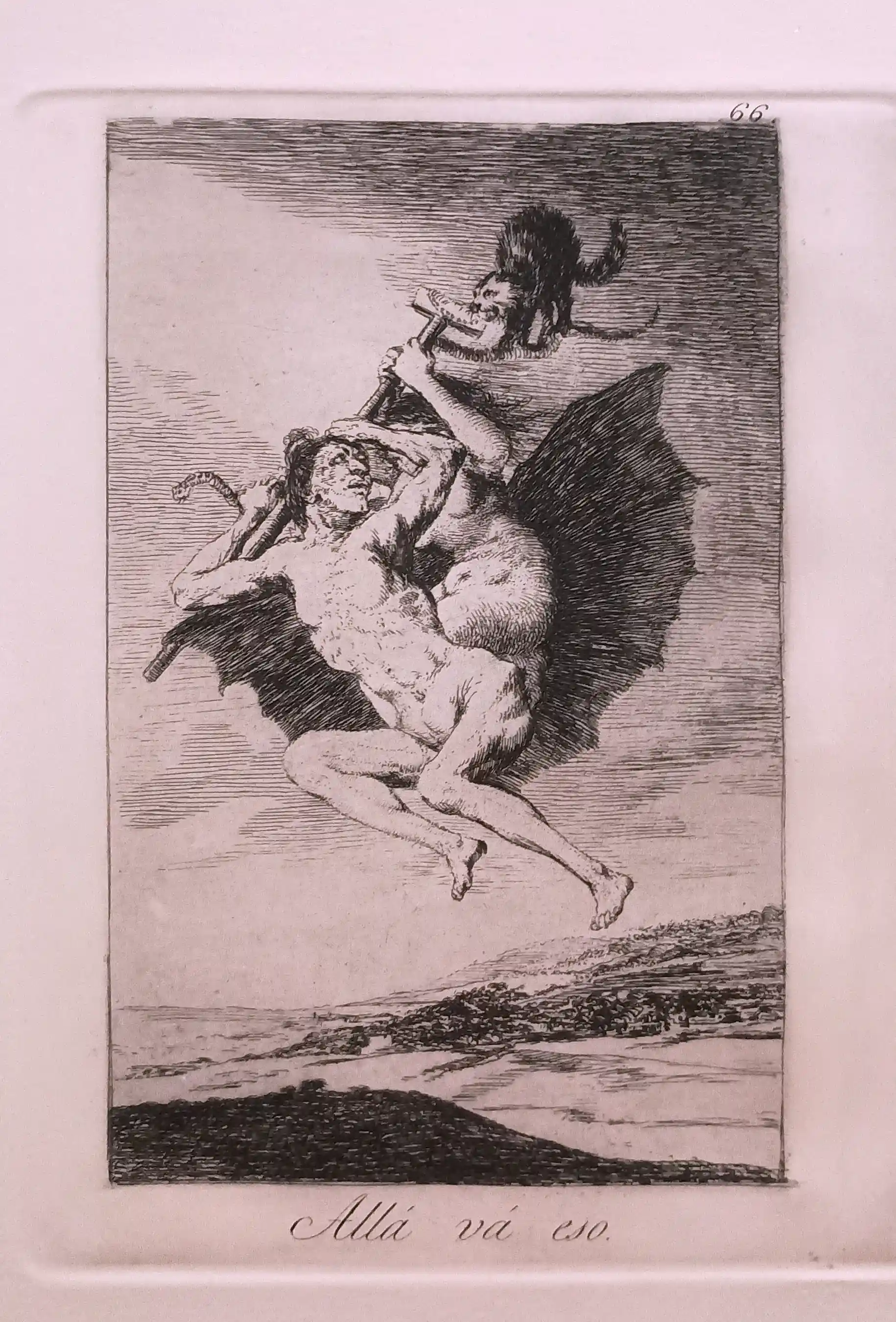
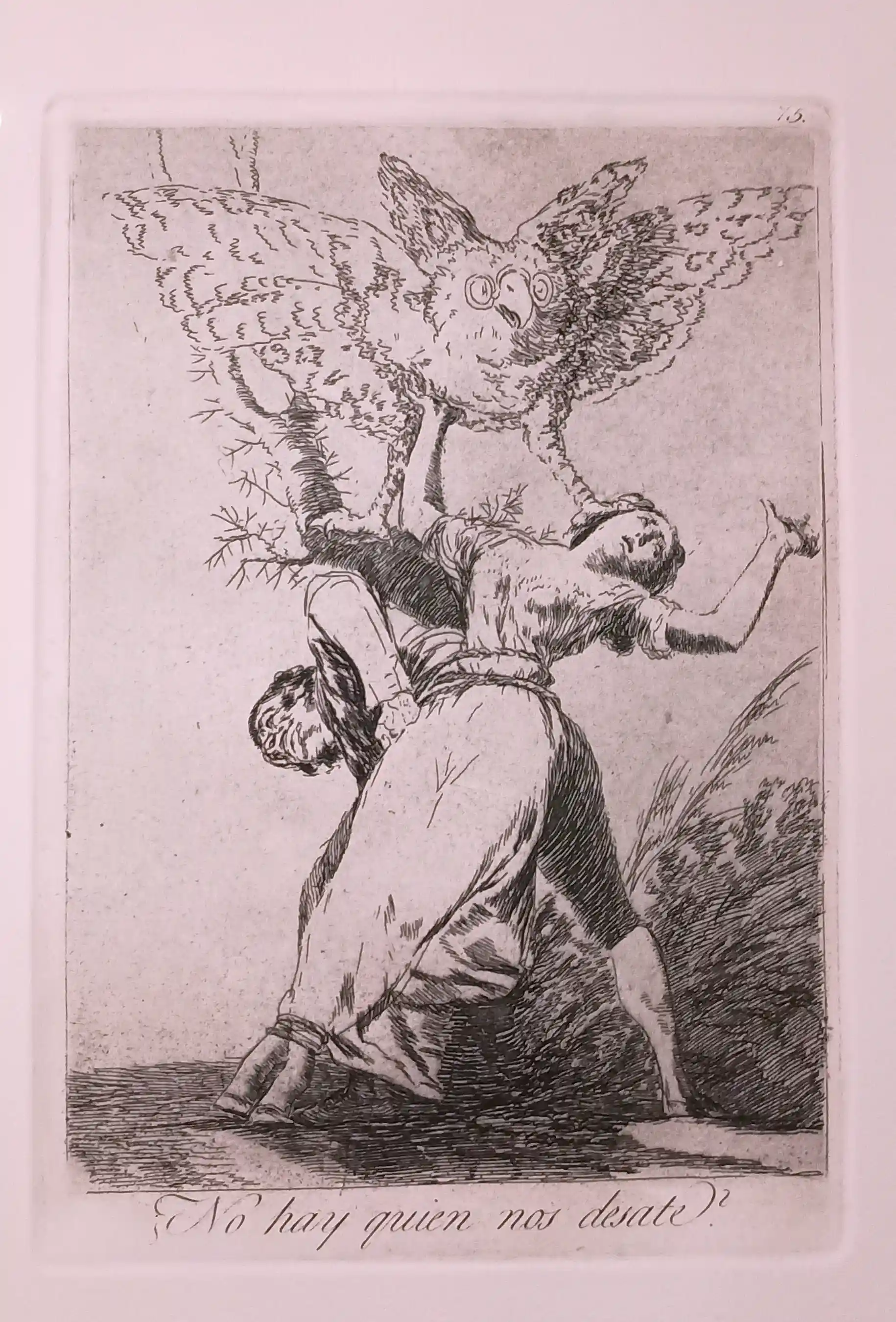
The Divine Comedy Series by Dalí
These were for a proposed illustrated version of The Divine Comedy to celebrate Dante's 700th birthday. That project was aborted because of the uproar over the idea that a Catalán should illustrate an Italian book, echoing our current drama over cultural expropriation. To his credit, Dalí decided to finish the series anyway. There are a lot more than the few I show here.
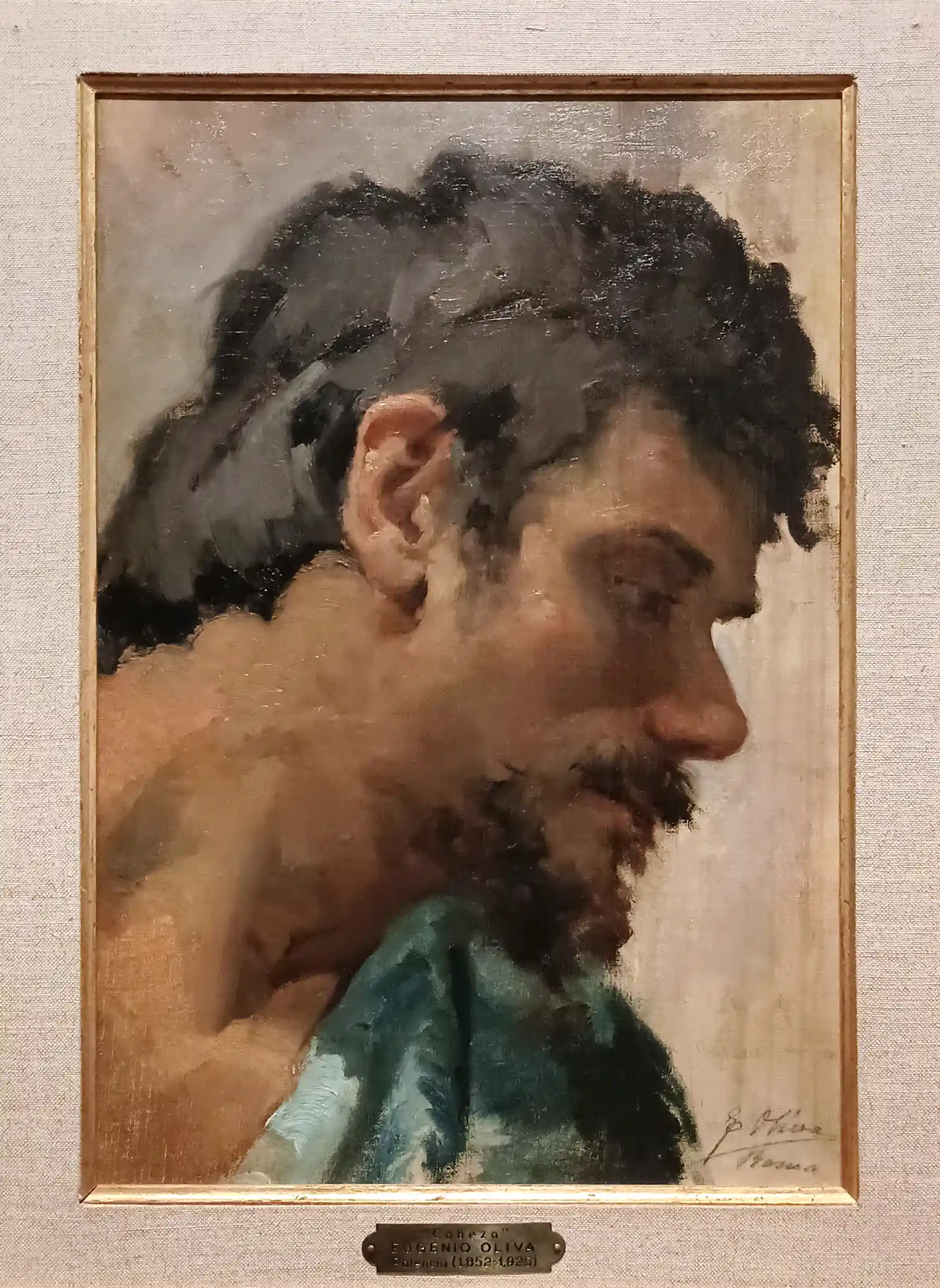
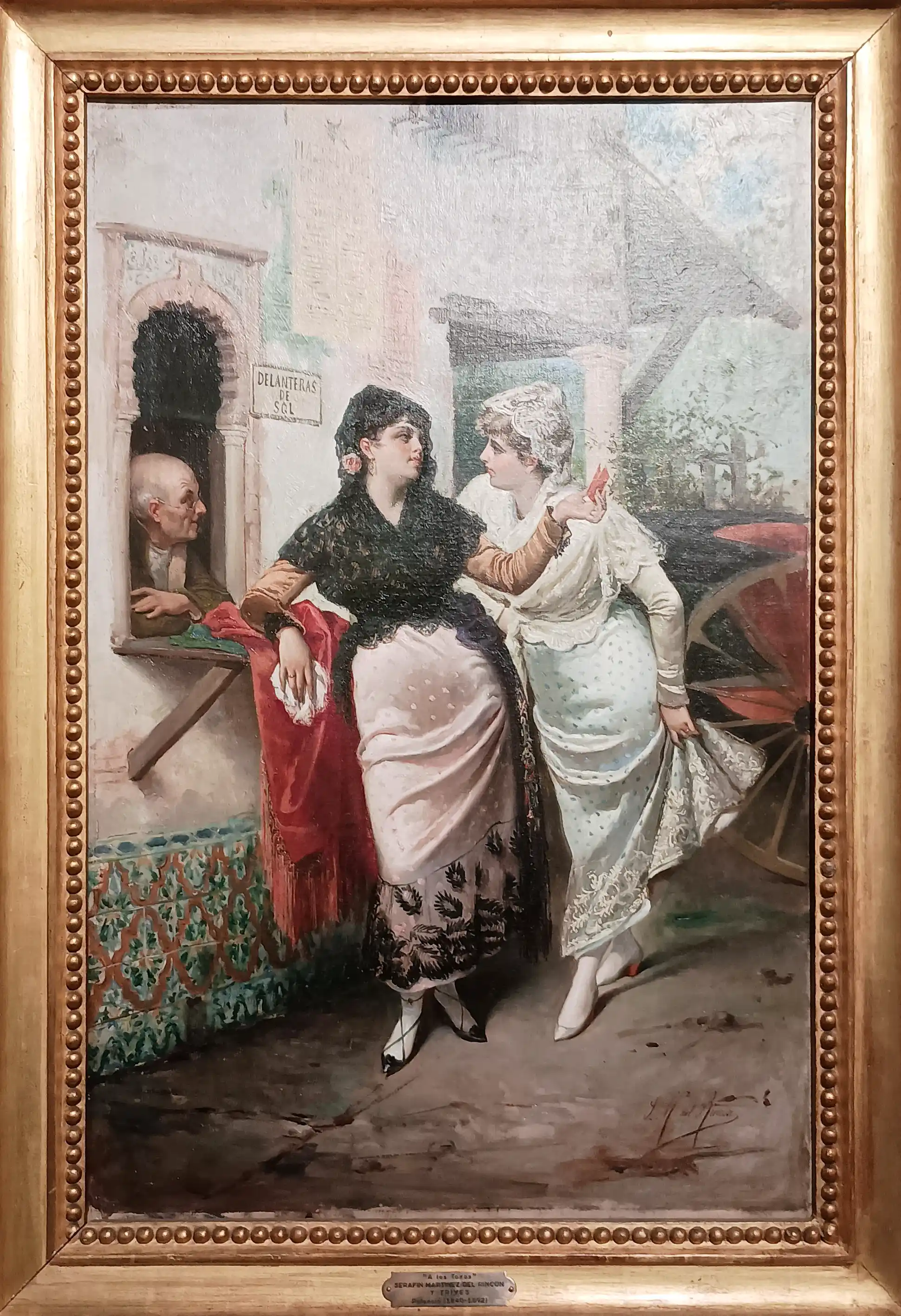
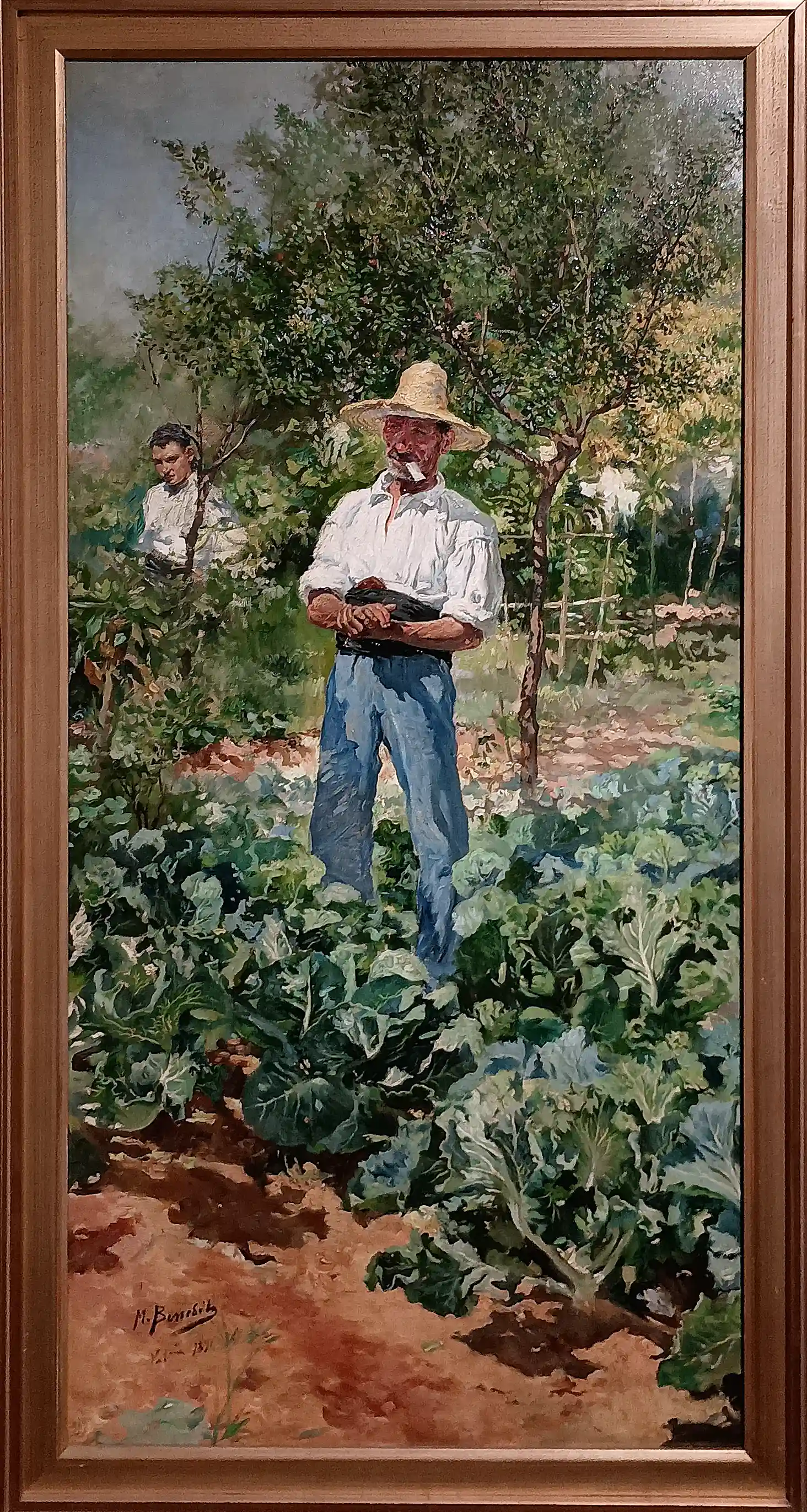
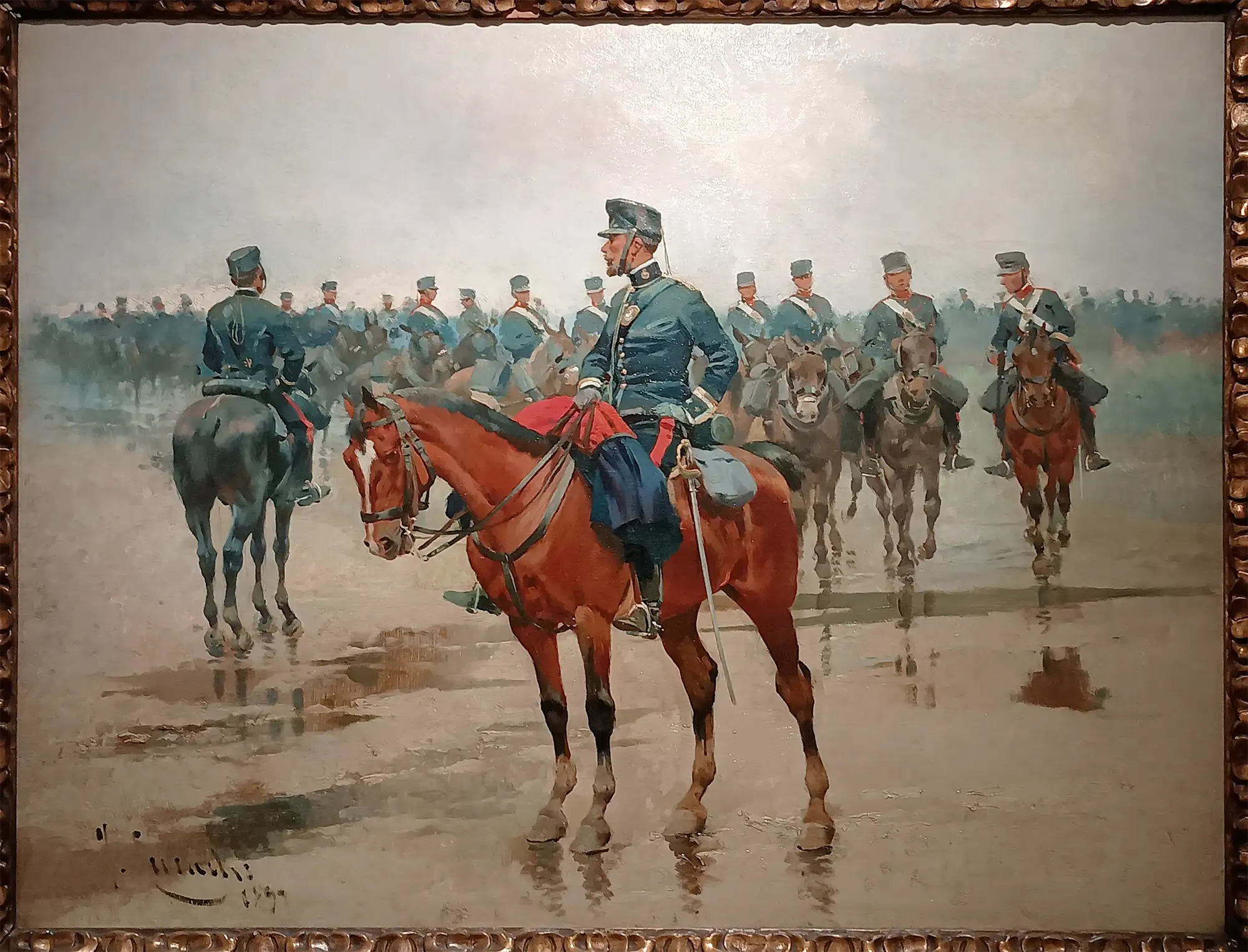
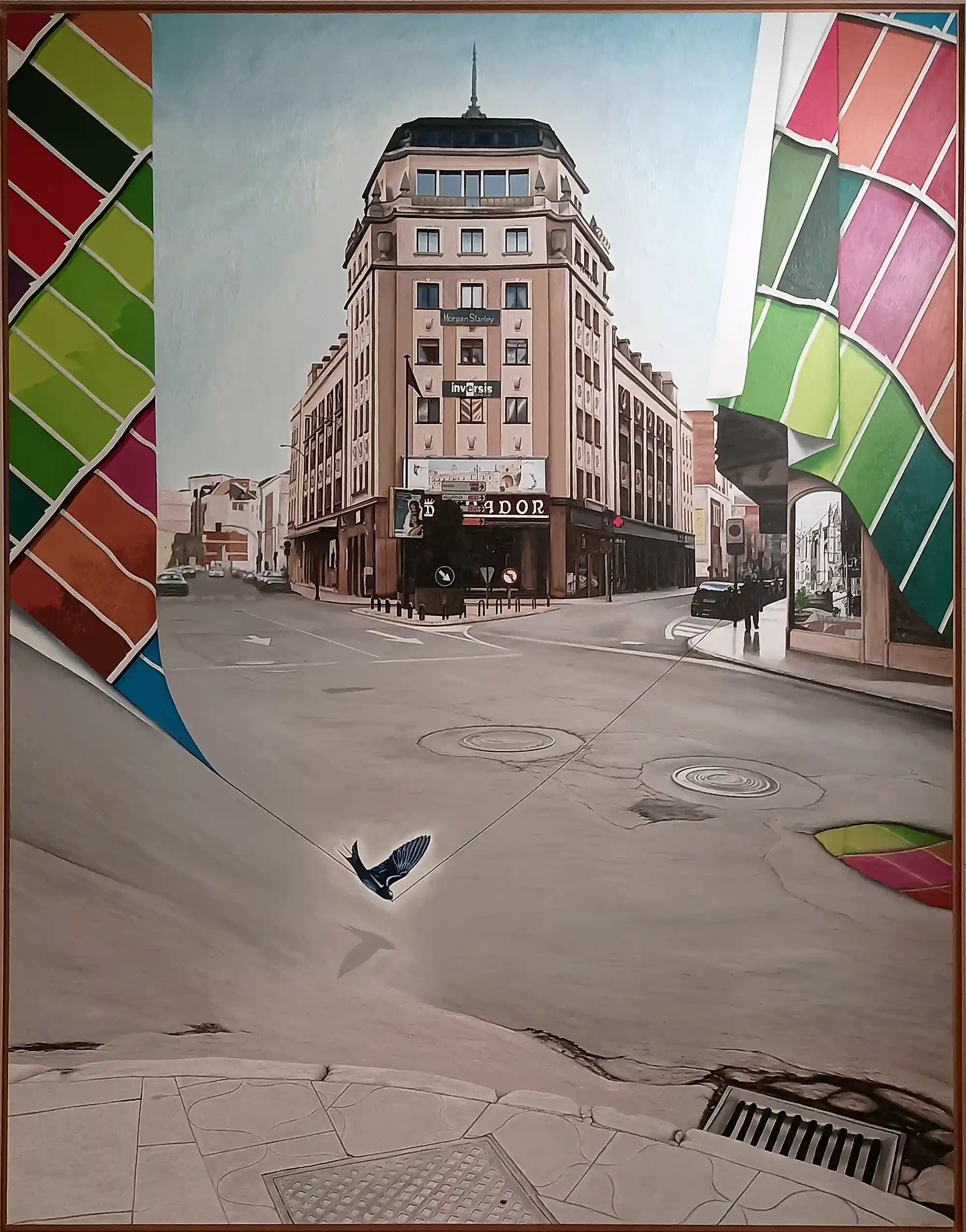
Some pretty nice paintings